
Hydrangeas are fussy plants
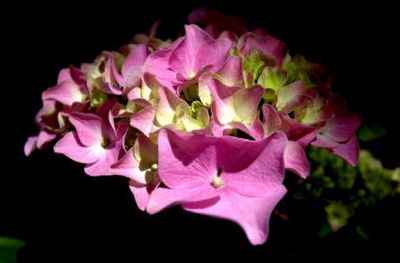
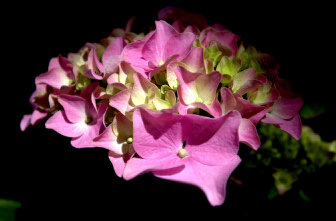
I have three traditional hydrangea plants that are now 6 years old. They have never bloomed. I’ve tried pruning, not pruning, sticking a shovel in the ground and going half way around the plants to “irritate” the root system as recommended by a Master Gardner at a Home and Garden Show, but nothing has worked. Any suggestions?
Leah Oxford, Athol, Idaho
None of the above. Unfortunately, your hydrangea macrophylla is at its hardiness limit in the Inland Northwest, and the flower buds, more often than not, freeze in our winters; no buds mean no blooms. This is because the plant produces its buds on wood that grew the previous year. The buds overwinter on the wood and are supposed to bloom the next spring – unless they freeze. So what to do?
Next fall, build a tall wire cage around the plant and pack it full of pine needles to protect the buds from the cold. If you are in a windy area, add a layer of plastic to the outside of the cage. No guarantees, but it’s worth a try.
Plant some hardier varieties, such as smooth leaved hydrangea (H. arborescens), or the peegee (H. paniculata) varieties. These bloom with white flowers but can stand up to our coldest temperatures. If you want the more traditional blue/pink bloomers, try the new Endless Summer or All Summer Beauty varieties of Hydrangea macrophylla. They bloom on wood that grows the same year.
Carrots won’t grow
We live in Spokane Valley’s Midilome area., where the soil is fairly rocky and tends to pack down when dry. The past several years we’ve tried growing carrots without any luck. Last year they sprouted about 1/2 an inch out of the ground and disappeared. I had spaded the area, removed the majority of rocks and added peat moss to keep the soil from compacting. We also have had our watermelon and cantaloupe plants die. They had major leaf damage but no evidence of the pests attacking them. I am really curious to know what might be happening.
Dennis Baslington, Spokane Valley
Hmm, no deer, quail or other critter tracks? Carrot seedlings are pretty fragile when they first come up so my first call would lack of water. Make sure you water them gently but well every day until they get bigger. Instead of peat moss, add some good compost to the bed. If peat moss is not properly mixed into the soil, it can pack down and actually wick moisture out of the ground. Compost holds moisture better.
As to the holes in the melon leaves, it could be several different things. When you start seeing damage, look around for bugs or larvae. Check under leaves and even look at night with a flashlight. If you find some, take them and some damaged leaves to the Master Gardener Plant Clinic (222 N. Havana) for proper identification and treatment options.