
U.S. pressures Russia on democracy
WASHINGTON – The Bush administration has warned Russia that the upcoming summit of the Group of Eight nations in St. Petersburg could be a debacle unless the Kremlin takes specific actions in the coming weeks to demonstrate a commitment to democracy, according to U.S. officials.
The administration has privately identified to Moscow concrete steps it should take before the July meeting, such as registering civil society groups that have been harassed, as a way of deflecting criticism that Russia has no business hosting a summit of democratic nations. And administration officials have sharpened their rhetoric about Russia’s backslide toward autocracy.
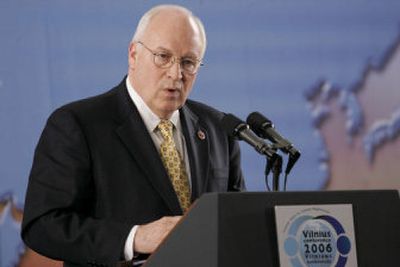
At an international democracy conference in Lithuania on Thursday, Vice President Dick Cheney accused Russia of “unfairly and improperly” restricting the rights of its people and using oil and gas as “tools of intimidation or blackmail” against neighboring countries.
“Russia has a choice to make,” Cheney said. “And there is no question that a return to democratic reform in Russia will generate further success for its people and greater respect among fellow nations.”
Administration officials are increasingly concerned about President Bush’s attending a meeting of the world’s major democracies in a country that by most definitions is not. Bush has made expansion of freedom and democracy the central tenet of his foreign policy but has been reluctant to alienate his avowed friend, Russian President Vladimir Putin, even as the Kremlin has rigged or canceled elections, taken over independent television, and prosecuted political enemies.
Some critics, including Sen. John McCain, R-Ariz., have called on Bush to boycott the G-8 summit in protest of Putin’s suppression of dissent, but the president has rejected such a move as counterproductive.
Bush wants Moscow’s help on an array of issues, including preventing Iran from developing nuclear weapons.
Administration officials concluded it is not practical to simply urge Russia to be more democratic, so they developed a list of half a dozen things Moscow can do in the next two months to signal a new direction.
Among other things, the administration is recommending that Russia register nongovernmental organizations that have been pressured, such as the New Eurasia Foundation; guarantee energy supplies to neighbors; and ensure that independent monitors are permitted to observe elections down to the local level, according to officials who were not authorized to speak on the record.
“We’re not ordering them, we’re not telling them,” said one official. “We want a good meeting.” If the Russians do too, they will take some of these actions, the officials said.