
Washington Supreme Court
The state’s nine-member high court hears about 135 cases a year. Typical cases include appeals of criminal convictions, business disputes and occasional high-profile issues, such as the recent ruling upholding the state ban on same-sex marriage. Candidates must be lawyers.
Term: Six years.
Annual pay: $145,636.
After two state Supreme Court justices staved off conservative challengers in the primary, a third justice – Susan Owens – is hoping to bring the incumbents’ score to 3 and 0.
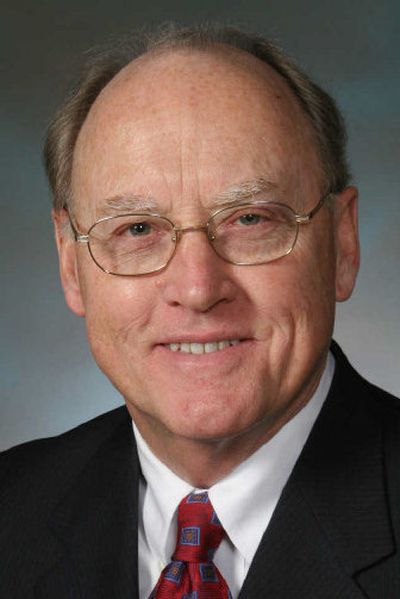
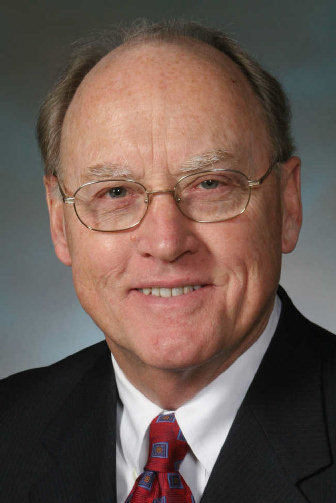
Her challenger is Republican state Sen. Stephen Johnson. After 12 years in the Statehouse, Johnson says the Supreme Court needs judges who protect property rights, the initiative process and open government records. The court is improperly rewriting laws, he maintains, instead of simply interpreting them.
Johnson’s supporters include home builders, the state farm bureau and business groups.
Owens has been on the high court since 2000. Before that, she was a tribal court judge for 11 years and a district court judge in rural Clallam County for 19 years. She calls herself a “strong, independent voice” on the court.
Owens’ supporters include Indian tribes, labor unions and lawyers.
In a five-way nonpartisan primary in September, Owens received 46 percent of the vote to Johnson’s 35 percent. The remaining three candidates each got 5 percent to 8 percent.
The two other incumbent justices – Gerry Alexander and Tom Chambers – beat challengers in the September primary, so their names will appear on the November ballot without any challenger.
Stephen Johnson, 66, of Kent: Promises to bring “judicial restraint” to the bench, arguing that the high court has been rewriting laws rather than simply interpreting them.
Susan Owens, 57, of Olympia: Promises to continue delivering rulings that “respect our rights, our privacy and our constitution.”