
Mulch preferable to herbicide
No weeds in the garden
I’m curious what your opinion is of using Preen as mentioned on the label for certain food crops. I used it last year after completely weeding the garden and had a few stray weeds to pull later on, but July, August, September and even the beginning of this year were much easier to keep weeds out of the garden. This year I didn’t use it as our son prefers organic gardening, then hurt my back and have had to watch the weeds go crazy. A friend recommended the Weed Hound, a tool that does allow one to pull weeds with shallow roots, like purslane, from a standing posture, so I’m making slow progress, wishing I’d used the Preen.
Sherri Crisp
Preen is a pre-emergent herbicide that prevents weeds and other plants from germinating. It is a granule that is applied to the bare soil before weeds germinate.
While the label says it can be used on some vegetable crops, I don’t like to do so as there is no reason to introduce chemicals to food crops when there are other alternatives available. Mulches laid down between plants and rows before weeds appear can do the same job as the chemical. Organic mulches also help retain soil moisture thus reducing water use. As they break down, they add organic matter to the soil. Mulches can be 3- to 4-inches of grass clippings, shredded leaves or pine needles or eight to 10 sheets of newspaper wetted and then placed on the soil. Apply the mulches in the spring and then renew them in the fall to keep winter weeds from getting a head start.
New spruce next spring
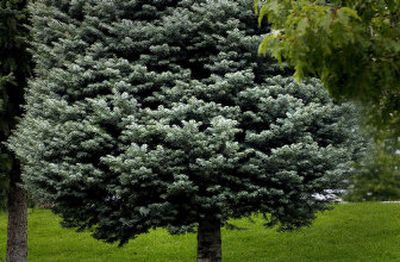
The new growth on my spruce tree has died this year. What’s going on?
Cindy Fenick
Several things could be happening. The tip die-back could be the result of bugs such as white pine weevil or Cooley spruce gall adelgid. The pine weevil attacks the tree’s terminal or top leader causing it to die back thus destroying the shape of the trees. The Cooley spruce gall adelgid is an aphid-like insect that feeds at the base of the new needles. Because the feeding irritates the tree, it forms a green or purplish gall or lump around the site. The adelgid bugs then overwinter as a wooly clump at the base of buds or in extreme cases all along the branches. Control of both bugs is difficult as there are limited chemical options available to the homeowner. Pruning out dying leaders and galls will improve the looks of the tree in the short term.
The damage may also have been caused by the hard frosts we had in early May just as the new growth was emerging. Conifer shoots are very frost-tender when they first unfurl their new needles. I saw several firs and spruces damaged this way this year. It won’t hurt the tree in the long run and the branch tips will resume growing next spring.