
Bridging the golf divide
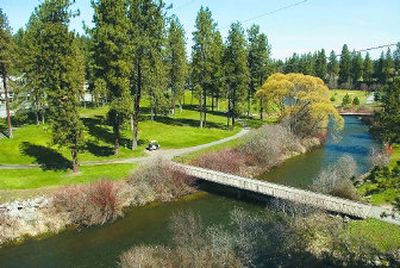
The Spokane area, thanks primarily to the affordability, accessibility and overall quality of its seven city and county owned courses, has built a handsome reputation through the years as an outstanding destination for bargain-hunting golfers of all skill levels.
Often overlooked, however, during discussions about just how far your golf dollar will stretch here in the Inland Empire is the equally impressive list of privately owned courses that cater to the general public, as well.
More than 20 such layouts enhance the landscape within an hour’s drive of downtown Spokane, and most serve as capable challengers to the city and country courses in terms of pricing, convenience and conditioning.
But the owners of those courses admit it isn’t easy trying to keep up with the city and county courses, which are operated as non-profit, enterprise funds and are exempt from paying property taxes.
“It’s certainly difficult for us,” admitted Tim Morton, the director of golf operations and part owner of Prairie Falls Golf Course in Post Falls, “mainly because of the price structure the city and county course have. I don’t travel all that much, but from everything I’ve heard, they’re among the cheapest and best conditioned you’ll find anywhere.
“And it’s tough to compete against that.”
Bob Ross, whose family built Wandermere Golf Course in 1927 and has owned it ever since, insists it is getting “harder and harder to make it” in the golf course business, especially when the city and county keep “lowering prices and giving all kind of special discounts.”
As a result, Ross, who also serves as Wandermere’s director of golf operations, has priced his walk-up greens fees at $23 on weekdays and $27 on weekends. That’s still a bit higher than the fees being charged at county courses, which offer discounts for county residents.
“But we just can’t go any lower than that and make it work,” Ross said.
In order to stay competitive, Ross and his counterparts have been forced to get creative with various parts of their business practices, including pricing. Some offer 2-for-1 discounts on certain days, along with punch cards and special rates for seniors and juniors.
At Wandermere, the Ross family has followed the lead of some other owners in developing land around their courses and selling home lots.
And at Sun Dance Golf Course, longtime owners Peggy and Marv Jones have leased out their restaurant in an effort to attract more attention.
“The restaurant (Palenque Mexican Restaurant) is open year-round now,” Marv Jones explained, “and we’re getting a lot more people out here and a lot more exposure for the golf course.
“We have people coming here and using the restaurant that we’ve never seen before, people who didn’t even know where our golf course was. So we’re hoping that will benefit us, as well.”
In addition, Sun Dance is honoring city discount cards by knocking the same amount off greens fees as city courses do for golfers in possession of one of the $35 cards.
Jones said he also likes the idea of developing housing sites around a course as a way helping offset expenses, but admits that is not practical at Sun Dance.
“We’re a little landlocked around here,” he said.
At Prairie Falls, Morton and his partners estimate the property taxes they pay annually are equal to their take on anywhere from 2,000-3,000 rounds of golf. They have looked into building houses around their course as another potential source of income, but have yet to make and serious plans.
So for the time being, they, too, are trying to remain competitive with creative pricing and special deals on everything from $525 season passes to reduced midweek greens fees to lessons and pro shop merchandise.
“Basically, we’ve tried to match some of the county’s special rates and do more with twilight fees and league stuff,” Morton explained. “We’re trying to book more outside tournaments and do more junior clinics as a way to get more people exposed to our golf course.
“Other than that, about all we can do is offer the best service and conditions we can. Because all of the county and city courses are in such good shape, we’ve got to compete with that, too.”
Frank Knott, president of the Spokane Park Board, has been on both sides of the fence, having owned and operated a small golf course in Yuma, Ariz., prior to moving to Spokane.
He considers it “almost unfair” that the city and county keep greens fee rates as low as they do, forcing private owners to do the same in order to stay competitive. And he marvels at how many private owners are able to do so.
On a recent layover in Sea-Tac Airport, Knott said he overhead two men talking about golf in Spokane.
“The one guy says, ‘Yeah, Spokane is the best place in the whole Northwest. It’s a golf Mecca, and it’s nearly free,’ ” Knott laughed. “And he’s right.
“Our city and county courses are cheap, and they’re kept in very good condition. And the privately owned ones are equal to the public, which is a pretty amazing thing.”
“If you don’t have a good course that is well-conditioned, nobody’s going to want to come play it,” Jones said, “Especially around here.”