
Sunnis pull out of Iraq Cabinet
BAGHDAD – Iraq’s main Sunni Arab political bloc withdrew from the government Wednesday, blaming Shiite Muslim leaders for not addressing sectarian issues, as explosions in the streets killed at least 69 people around the capital.
Six Cabinet members from the Iraqi Accordance Front already had suspended participation in the government in June. The Sunni bloc pulled out permanently after its demands for the release of Sunni detainees and to address Shiite militias were not met.
The pullout reduces Iraq’s Shiite-dominated government to little more than caretaker status. Barring a major political realignment, it also makes it less likely that Prime Minister Nouri al-Maliki’s government will be able to reach significant compromises on legislative benchmarks sought by the Bush administration to help quell sectarian strife.
The pullout marked an end to the rocky cohabitation that began just over a year ago with the unveiling of the U.S.-brokered national unity government of Shiites, Sunnis and Kurds. After a flurry of early activity, including a reconciliation plan announced in the government’s second month, al-Maliki’s Cabinet lost momentum.
The government made little progress in promoting stability, as Sunni and Shiite militant groups battled for Baghdad in 2006, displacing tens of thousands of residents.
Meanwhile, a series of explosions rocked Baghdad, killing dozens of people.
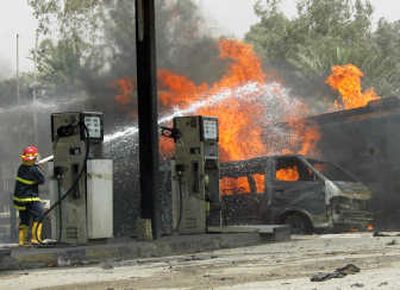
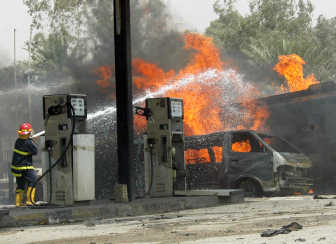
A car bomb in the predominantly Shiite Karada district in Baghdad killed 15 people very close to an ice cream shop; another 50 were killed when a suicide bomber detonated a fuel tanker in the western Mansour district, while four others were killed in a car bombing in Harthiya, not far from Mansour. One policeman also was killed in a bomb attack in Mansour.
Twenty-five corpses were found around the city.
The U.S. military also announced the deaths of six soldiers in Baghdad, three from a roadside bomb blast, two from mortars or rockets and another by small-arms fire.