
Poor cooling ruining vaccines
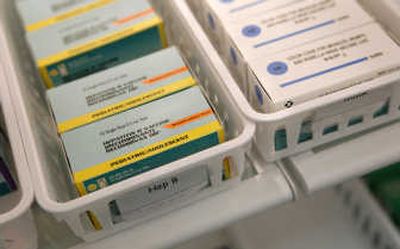
DES MOINES, Iowa – Every year, thousands of American children go through the ordeal of getting their vaccinations, only to be forced to do it all over again. The vaccines were duds, ruined by poor refrigeration.
It is more than a source of distress for parent and child. It is a public health threat, because youngsters given understrength vaccines are unprotected against dangerous diseases. And it accounts for a big part of the $20 million in waste incurred by the federal Vaccines for Children program.
“This is a substantial problem that needs to be addressed through prevention, and when problems are discovered, often times through revaccinations,” said Dr. Lance Rodewald, director of immunization services at the Centers for Disease Control and Prevention in Atlanta.
By CDC estimates, hundreds of thousands of doses of vaccines against such diseases as flu, diphtheria, tetanus, whooping cough, polio, mumps, measles, chicken pox and the cervical cancer virus are thrown out each year because of poor refrigeration.
In one recent case in Sioux City, Iowa, more than 1,000 families were notified that they needed to get their children revaccinated. State officials found that the refrigerator at the clinic that administered the shots repeatedly dropped below freezing over a 17-month period in 2005 and 2006, potentially ruining the vaccines.
Poor refrigeration has been blamed for similar problems elsewhere over the past 2 1/2 years:
In St. Cloud, Minn., a clinic had to revaccinate 8,600 patients, most of them children.
In Lane County, Ore., 500 children and adults had to get another shot.
Inadequate refrigeration can cause vaccines to lose their potency, although experts say spoiled childhood vaccines are not dangerous in themselves. And there are no known cases of children contracting a disease because they had been given a vaccine rendered ineffective by poor refrigeration. But it could happen, and “that’s why we’re concerned about it,” Rodewald said.
Waste costs the $2 billion-a-year federal Vaccines for Children Program about $20 million a year, and the biggest single problem is improper refrigeration, Rodewald said.
Rodewald had no breakdown of how much in waste is attributable to poor refrigeration. But he emphasized that the losses amount to an extremely small percentage of the childhood vaccine program.