
Hip dysplasia a common ailment
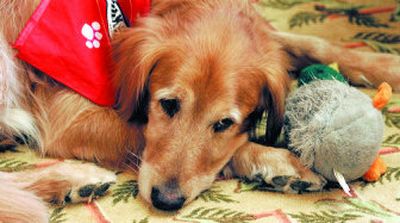
Hip dysplasia is a disease that occurs in young dogs, cats, humans and other species. It is characterized by an improperly formed hip joint, resulting in pain, inflammation and eventually osteoarthritis. It is relatively common in many of our most popular working and pet breeds, such as German shepherds, English bulldogs and golden retrievers.
Hip dysplasia is a disease that develops during puppyhood. The hip socket is too shallow and the muscles and ligaments that help keep the femur (or leg bone) in this socket are too weak or poorly developed. This results in a joint that may be so unstable that the femur and pelvis are almost dislocated from one another (subluxated). The joint becomes inflamed resulting in damage to the cartilage, pain and degenerative joint disease (or osteoarthritis). Usually, both sides are affected to some degree.
Cause
Hip dysplasia is a genetic disease but environment plays a role, too. The risk of a puppy developing the disease increases when one or both parents have it. In many breeds of dog, the incidence has decreased due to selective breeding practices that remove dogs affected with hip dysplasia from the breeding pool. However, these practices have not eliminated the disease entirely. The most important environmental cause of hip dysplasia is overfeeding, leading to too rapid growth and excessive weight gain during puppyhood.
Diagnosis
How will I know if my dog has it? Your young dog or puppy may have pain or limping after exercise. It may improve with rest but come back when he is active again. He might seem to have an unusual or stiff gait. Sometimes, dogs push off with both back legs when running (bunny hopping). Other dogs have no apparent problems until they are much older and start to develop arthritis in the hip joint. These dogs are also sore after exercise and when first getting up after sleeping. This is by no means unique to hip dysplasia. Many other orthopedic diseases can produce these same symptoms, so your dog will need to be examined by a veterinarian.
How is hip dysplasia diagnosed? Your vet will review your dog’s history and perform an exam of the hips and limbs. Unless some other obvious cause of lameness is uncovered at that time, your vet will X-ray the hips to look for signs of dysplasia Usually, sedating or briefly anesthetizing your dog allows for a better and more accurate exam. This is also true of dogs who are being screened for hip dysplasia before entering a breeding program. Traditionally, we screen these dogs at age 2 or older and send the radiographs to the Orthopedic Foundation for Animals. Dogs whose hips are judged to be free from hip dysplasia are given a breeding number. There is a newer procedure, called Penn-Hip, which also involves making radiographs under general anesthesia. It can be used in pups as young as 16 weeks old to predict the risk of developing arthritis later in life.
Treatment
Most dogs with mild to moderate signs of lameness can be treated without surgery. Medical management involves a combination of lifestyle changes and medications. Overweight dogs must lose excess pounds. Daily, low-impact exercise such as leash walks or swimming to maintain muscle mass is important, too. Padded beds and avoiding cold and damp environments help dogs with dysplasia to be more comfortable. Your vet may also prescribe moist heat, massage, or physical therapy. Most dogs will need chronic or intermittent treatment with NSAIDs also. There are safe and effective ones available right now that reduce pain and inflammation. Your vet can recommend one for your dog and will monitor your dog to make sure it is tolerating it well. Oral gluocosamine and/or injectable glucosamine may help your dog by providing the building blocks for cartilage repair. Prescription diets rich in omega 3 fatty acids have demonstrated benefit in improving quality of life for dogs with arthritis.
Surgical treatments for hip dysplasia depend upon the age of the dog and whether the dog already has developed osteoarthritis. Total hip replacement is as routine in dogs as in humans and has an excellent success rate. It must be performed by a specialist in veterinary surgery.
The good news about canine hip dysplasia is that we have reduced its incidence through conscientious breeding practices. New drugs and surgical techniques have allowed many dogs who would have been euthanized in the past to lead happy and pain-free lives.