
Upset bondsman blames sheriff for overcrowding

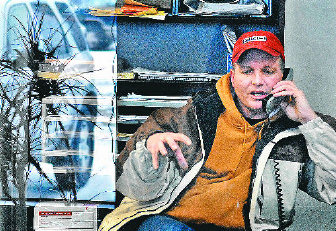
A Coeur d’Alene bondsman is accusing Kootenai County Sheriff Rocky Watson of limiting communications between bail bond companies and inmates to drive up the jail population and win community support for a jail expansion.
“They’re infringing on my civil liberties to conduct business in this town,” said Rocky Lockhart, owner of Sweet Freedom Bail Bonds. Lockhart said the sheriff’s order that jailers not pass messages from bondsmen to inmates also violates prisoners’ civil rights.
Watson said Lockhart’s accusation that the sheriff is trying to keep the jail overcrowded is “too goofy to answer.”
He said the new rule is due to increasing and frequent solicitations by employees of Sweet Freedom.
Watson said jailers used to receive occasional calls from bonding companies, asking to pass a message along to their clients, typically because the company needed more information to complete paperwork.
He said Sweet Freedom began making unsolicited calls trying to recruit new customers, and jail staff began complaining.
“We don’t have the staff to run messages to inmates,” Watson said.
Lockhart said his company was indeed soliciting inmates, getting their names off the media log or by sitting through initial court appearances. He estimated his company called the jail five to six times per day and said the calls were short and polite.
The company, he said, just wants to make sure inmates know they have a right to bail. Lockhart said it wasn’t fair for Watson to change the rules because jailers never had a problem before delivering the messages.
“If you’ve already done it, you’ve set a precedent,” Lockhart said. “If someone said, ‘Here’s a candy bar,’ and you were almost done with it, and they took it away, wouldn’t you be mad?”
Quick Release Bail Bond owner Jeff Scoggin, whose company has been in business for 10 years, said the rule change is making business difficult.
“The reason Rocky Watson changed his policy is simply because of one company that came into town in the last few months and decided to overwhelm the jail with these solicitation phone calls,” Scoggin said. He refused to name the business.
There are at least a half dozen bail bonds businesses in Coeur d’Alene, but Watson said the only one that has given him problems is Sweet Freedom.
Scoggin criticized Watson for not communicating his concerns or discussing the issue with bond companies before instituting the rule change. He said his company often needs to get messages to inmates so they can get in touch with the bonding company to coordinate bail.
“The policy affects us dramatically,” he said.
Now, unless an inmate is still in the booking process, the bond company cannot get in touch with them or get a message through.
Watson said the advice he’s been giving to bonding companies is to tell clients up front when they might expect the process to be complete and to tell inmates if they don’t hear from a bondsman by a set time to call the bonding company.
Pay phones – from which inmates can place collect calls – are located throughout the jail.
Lockhart voiced other concerns about the jail, including whether inmates have access to their credit cards for bonding and that the phone book his company advertises in is not available to inmates.
Watson said inmates are rough on phone books, and the only ones that are provided to the jail for free are the Black Phone Book from Hagadone Directories. Sweet Freedom advertises in Verizon’s phone book.
Both phone books should be available, Lockhart contends.
“I’m sure we could, as a community, come up with a penny apiece to come up with phone books to put in the jail for the inmates,” he said.
Watson said Lockhart’s concern over inmates being able to access their credit cards isn’t valid. He said he doesn’t want to keep inmates in jail longer than necessary.
“We don’t want them there either,” Watson said. “If they’re eligible to bond, please leave.”