
Ancient art of bonsai miniaturizes nature
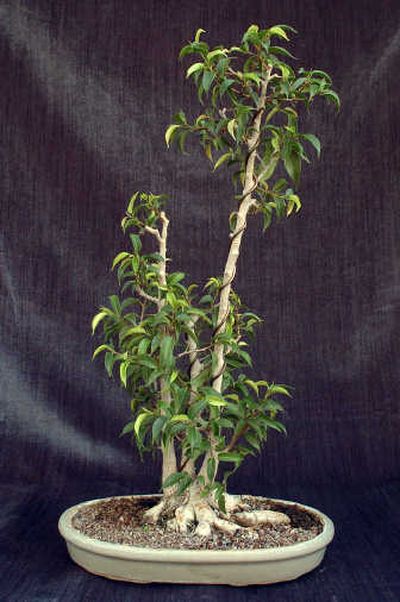
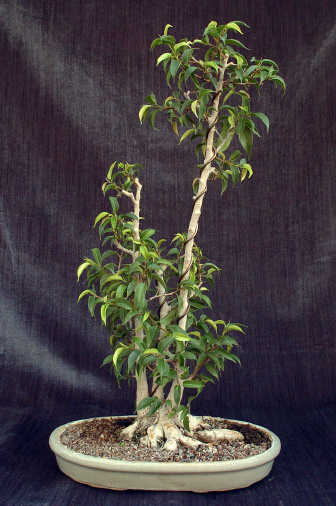
As hobbies go, interest in the ancient Japanese art of bonsai has been growing rapidly. The idea of having a miniaturized bit of nature seems to fascinate people.
“(A bonsai) is an artistically designed tree that is trained to look like an old tree in miniature,” says Roger Snipes, a Spokane bonsai enthusiast and member of the Inland Empire Bonsai Society. Its sole purpose is to characterize a tree found in nature on a mountaintop or in a forest. Bent and battered by the elements; sometimes growing among rocks or in groves; no two are alike.
Almost any woody garden shrub or tree can be used to create a bonsai with junipers and Amur and Japanese maples some of the easiest for beginners. Bonsai enthusiasts typical look for plants with interesting lower trunks and branch structure. The plants can range in size from small seedlings only a few inches high or 15 to 20 foot trees that are cut back and trained. Plants can come from garden nurseries; as castoffs from garden renovations, construction projects or friends; or with the proper permits, from the wild.
After letting a plant grow for several years, the bonsai artist is ready to begin training the tree by assessing its shape, branch structure and trunk shape blending this with shape he wants to create.
“You need to think about the qualities old trees have,” says Snipes. “They have a fat trunk down low that tapers up to a small apex. The lower branches are the longest branches and get progressively shorter and finer as you go up the tree.” The grower also begins to think about what style and color of pot should be used with the plant.
“The pot is like a frame for a fine art painting,”
Much of the work training and maintaining a plant has to occur in the early spring just as the plants are coming out of dormancy. To force a plant to stay small, roots are pruned heavily every two to three years. Branches and twigs are trimmed and wired to head them in a desired direction.
Bonsai plants are usually potted in a coarse, very free-draining mix of dark lava rock and pea-sized bark pieces. “You want no particle size under a sixteenth of an inch,” says Snipes. A bonsai container will have many large holes in the bottom that help the water drain away quickly reducing the potential for root rot.
Through the rest of the year, the grower will judiciously pinch back small twigs, fertilize and water religiously to create the healthiest plants possible. Snipes says that serious bonsai growers don’t take vacations during the growing season because they have to be home to care for their trees.