
Endangered butterflies take flight
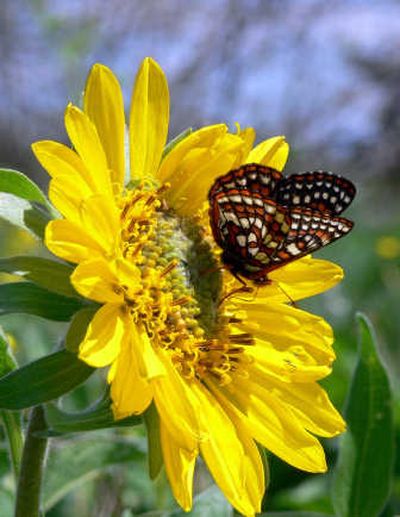
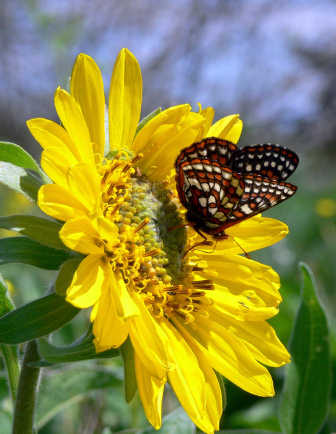
The first captive-reared butterflies to emerge as adults in the wild flew in the south Puget Sound area this spring.
The Washington Department of Fish and Wildlife released 199 Taylor’s checkerspot butterflies as caterpillars in late March on a south Puget Sound state wildlife area. By mid-May about a dozen of the endangered species had emerged from their cocoons as winged adults.
The caterpillars were reared at the Oregon Zoo in Portland, which developed the techniques over three years.
Butterfly eggs are collected from the wild to hatch into caterpillars at the zoo, but the species has a very long hibernation stage from July to February.
“It’s a challenge to bring them through that stage in captivity,” Linders said.
Oregon Zoo Butterfly Conservationist Mary Jo Andersen said that Taylor’s checkerspot caterpillars in the wild come out of hibernation when host plants, like harsh paintbrush, send up tender new shoots. So the zoo raised that plant and other host plants for them.
“One reason butterflies are important to save is because they are so sensitive to environmental changes that they are excellent indicators of overall environmental health,” Andersen said.
The Taylor’s checkerspot butterfly is known to occur now in only 14 locations in its historical range, from the Willamette Valley in Oregon to the Cascade Mountains in British Columbia, most in Washington’s Thurston and Pierce counties.
Much of the prairie habitat they depend on has been lost to human use, encroaching forest, and replacement of caterpillar host plants by non-native plants. The decline in Taylor’s checkerspot numbers prompted listing of the species as state endangered in 2006. It is also a candidate for listing under the federal Endangered Species Act.
The Taylor’s checkerspot is a medium-sized butterfly with upper wing surfaces of distinctive red-orange, black and cream colors in a checkerboard pattern. Like most butterflies, it has a short life span. Winged adults usually emerge in May, mate, lay eggs, and then die.
Eggs hatch into larvae in late May, grow through June, and hibernate until February when they wake and begin eating. They enter the cocoon stage in March, before emerging as the next generation of adults.
More releases of zoo-reared caterpillars are planned in coming years on state land and at Fort Lewis, where some of Washington’s best prairie habitat remains.
The Nature Conservancy is working with Fort Lewis’ Army Compatible Use Buffer (ACUB) program to restore prairie habitat on lands surrounding the base, said Hannah Anderson, the Nature Conservancy’s Rare Species Project Manager.