
NASA confirms alcohol use
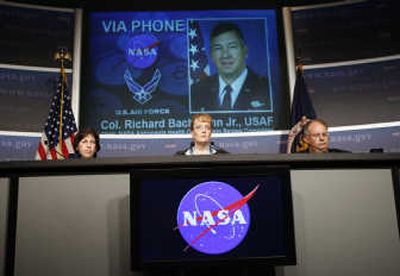
NASA has neglected alcohol use and the psychological health of astronauts “since the earliest days of the astronaut program” and alcohol still is readily available in the crew quarters at the Kennedy Space Center, a panel of experts reported Friday.
Rather than postpone launches of the shuttle and other spacecraft, the independent panel confirmed, some NASA officials may have allowed intoxicated astronauts to fly.
One unidentified astronaut reportedly was drunk when he reported for a shuttle launch. Several hours after a mechanical glitch scrubbed liftoff, he was drunk again when he boarded a NASA T-38 jet for a flight home.
“He presented for flight for the shuttle and then for the T-38 in a condition that did not seem fit for duty,” said Air Force Col. Richard Bachmann, the panel’s chairman.
Another unnamed astronaut was inebriated before boarding a Russian rocket for a flight to the International Space Station, Bachmann said.
“We don’t know if these are the only two incidents in the entire history of the astronaut corps or the tip of the iceberg,” he said.
He cautioned against any temptation to “impugn the entire astronaut corps” of about 100 men and women, but he and the rest of the committee clearly believed the problem extended much deeper than the two incidents.
They said alcohol use and other behavioral issues are “so deeply ingrained and long-standing that it will take senior leadership action to remediate them.”
Despite the report and the widening scandal, alcohol is not being banned in the astronaut quarters, NASA officials said, and will be available to the crew members of shuttle Endeavour while they go into quarantine three days before their Aug. 7 flight.
“There is alcohol available,” said Ellen Ochoa, an astronaut who serves as director of flight crew operations. “It is permitted, but it’s only for off-duty time.”
The seven astronauts, including elementary school teacher Barbara Morgan, were reminded Friday of a policy that had been implicit, should have been obvious, but now is explicit, NASA said.
“You will not consume alcohol within 12 hours of flight and you will not be under the influence of alcohol at time of launch,” Shana Dale, deputy administrator of the National Aeronautics and Space Administration, said during a news conference in Washington.
The study, one of two conducted in the wake of the apparent emotional meltdown and February arrest of astronaut Lisa Nowak, implied that astronaut behavioral issues have not been considered a safety issue by an agency that is preparing for long-duration flights to the moon and Mars and has claimed to be obsessed by safety since the 2003 loss of shuttle Columbia and its seven astronauts.
Dale and other NASA officials stopped short of accepting that implication, noting that the two reported incidents remained sketchy and unconfirmed. But they said they were determined to learn more about the incidents and the deeper problems.
“We take these issues very seriously,” Dale said.
Bachmann, an aerospace medical expert, said 14 astronauts and eight NASA flight surgeons shared concerns about alcohol use and other psychological problems that were “remarkably consistent and compelling and deserve focused action.”
He revealed no other details of the two known incidents, calling the reports anecdotal but representative of a larger problem: The apparent willingness of some NASA managers to clear an intoxicated astronaut for flight despite the concerns of flight surgeons and other astronauts – rather than deal with the cost and embarrassment of postponing a flight due to alcohol use.