
Rabbit’s diet holds key to its health

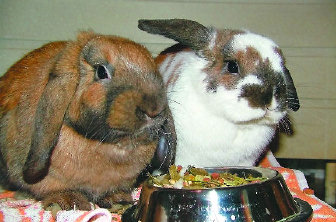
Rabbits are growing rapidly in popularity. In the United Kingdom, they have edged out dogs as that nation’s second most popular pet after cats. They are beautiful, gentle animals and can be quite sociable, though not cuddly.
Although learning about your rabbit’s needs for a safe enclosure, exercise, grooming and other aspects of her care are very important, perhaps nothing causes as much confusion as what to feed your rabbit. Diseases related to improper nutrition are very common in bunnies, so let’s look at some of them and how to prevent them.
Obesity
This is the number one nutritional disease of rabbits (and everyone else) in our society. Many bunnies are on diets consisting primarily of commercial pellets and treats. This is not a healthy diet for rabbits. Pellets were designed to feed rabbits raised for commercial purposes. Traditionally, they were high in fat and protein, resulting in rapid growth. When they are fed to pet rabbits, over time, they are too calorie-dense and can result in obesity. Commercial treats often contain sugars, nuts and seeds which should never be fed to rabbits. Obese rabbits are at higher risk than normal weight rabbits for foot infections, skin problems, overheating and osteoarthritis. Lack of exercise is the other major cause of obesity, and that is why allowing your rabbit plenty of time to hop around in a safely bunny-proofed part of the house is so important.
Hairballs
A bunny who slowly stops eating and passing feces may have an impaction of hair and other material in the stomach. The problem is not really that there is hair in the stomach. It is normal to have hair in the stomach because rabbits groom themselves and ingest some hair. The problem frequently is that the rabbit is on an improper diet that is lacking adequate fiber. This causes the GI tract to stop moving material through at a normal pace. The hair just sits there and becomes a hard, dry mass that won’t move out of the stomach on its own. Your cat would throw it up on your carpet, but your rabbit is unable to vomit, so he just sits there with a very painful bellyache. A rabbit with this condition, known as ileus, needs to be treated by a veterinarian. He needs fluids, medicine to help his GI tract start moving again, fresh greens to eat or force-feeding if he won’t eat, and pain relievers. Frequent brushing of your rabbit, especially if he has a long coat, also helps prevent this problem, but correcting the diet is the No. 1 thing to do.
Other factors
An improper diet without enough fiber or with too many simple carbohydrates can also cause overgrown teeth and chronic loose stools. There are a lot of good reasons to pay attention to your bunny’s diet.
So what should you feed your pet rabbit? One thing most veterinarians agree on is that adult rabbits should have unlimited grass hay. This is their natural diet. Rabbits have a GI tract capable of extracting every last bit of nutrition from hay. Plus, chewing on hay keeps their teeth healthy and the fiber in hay keeps everything moving normally through their system. Some alfalfa hay may be recommended to growing rabbits or underweight rabbits, but the high protein and calcium content could also cause problems, so talk to your vet before introducing this.
In addition to hay, offer fresh greens and vegetables every day, including kale, dandelion greens, broccoli, lettuce (not iceburg), and almost any others you can think of. For most rabbits offer at least 2 cups per 5 pounds body weight. What about carrots? Well, root vegetables and fruits are things rabbits love, but they are things they would not encounter every day out in the wild. So limit these to about 2 to 3 tablespoons per 5 pounds per day.
If your rabbit loves a pelleted diet, and that’s about all he’s interested in eating, make sure you use high fiber pellets, and try to introduce a healthier diet gradually. Some veterinarians recommend using pellets as part of a healthy rabbit diet, but only about ¼ cup per 5 pounds per day.
There is still a lot we don’t know about rabbit nutrition, and your vet may have different recommendations depending on your rabbit’s health and other condsiderations. Always discuss the diet with your vet before making any changes.