
YouTube model looks good to TV
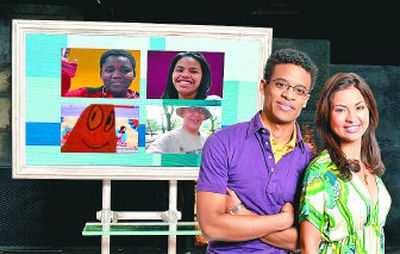

Ever conscious of a good trend, TV networks and advertisers are increasingly adopting the YouTube model of viewer-created content.
VH1, currently airing the third season of “Web Junk 20,” will next month premiere the Jack Black-hosted “Acceptable TV,” which attempts to fuse TV with the Web.
In February, Nickelodeon debuted a two-hour programming block called “ME:TV,” featuring contributions from 10-year-olds.
TLC last week began a six-part documentary series, “My Life as a Child,” where children were given cameras to videotape their lives.
And high-profile, consumer-created ads for Doritos, Chevy and Dove ran during the Super Bowl and the Academy Awards.
“As exciting as the Internet is, there’s still something different and perhaps more glorious about your creation showing up on national television,” says Tom Ascheim, executive vice president and general manager of Nickelodeon.
The channel’s “ME:TV,” which airs weekdays from 5 to 7 p.m., includes videos submitted by kids (with parental permission) and a segment called “Web Wallers” where four participants are shown via Webcam. Co-host Jordan Carlos has called it “the ultimate mash-up of online and on-air.”
Reality TV, of course, has been a huge beneficiary of the public’s desire to be on television – as have older shows like “America’s Funniest Home Videos” and “Candid Camera.”
But some wonder whether TV should stick to what it knows best: professionally created content.
“Television is and has been in something of free-fall for quite a while – just like the movies, just like the newspapers – and they’re doing everything they can to reverse it,” says Martin Kaplan, professor at the University of Southern California’s Annenberg School of Communication.
“So if they see a trend anywhere in any medium, the immediate reaction is, ‘How do we make this work for us?’ It’s an understandable, if desperate, attempt.”
The advantage of television is strong editorial decision-making that can choose the highest-quality submissions.
VH1’s “Acceptable TV,” which will begin March 23, will air five videos created by the show’s staff writers and performers. On the “Acceptable TV” Web site, viewers can vote on their favorite videos, and the most popular will get a sequel.
Viewers can also upload their own video, and each week, one will get picked to air on “Acceptable TV.” Tutorials on how to make a good digital film will also be available.
“There’s a moment of exhaustion with free-form, throw-anything-up-on-the-Web user content,” says Michael Hirschorn, executive vice president of production and programming at VH1. “The dirty secret is that 99.9 percent of it is no good.
“User-generated content is here to stay, but this project wants to set some standards and practices on how you do it right.”
Others have also delved into the user-generated pool, including the CW network, MTV and Comedy Central’s “The Colbert Report,” which invited submissions for a “Green Screen Challenge” last year.
Current TV, which launched in August 2005 and is in about 40 million homes nationally, predates the YouTube sensation with its viewer-created “pods,” which make up a third of its programming.
It all adds up to a lot of inexpensive, hip programming. Current TV pays $500 per aired pod, which can increase with subsequent selections. “Acceptable TV” promises creators a cut of the online ad revenue.
But most contributors see their reward as a chance for self-expression and a slight shot at fame.
“It has huge long-term implications,” says Joel Hyatt, who co-created Current TV with Al Gore. “This is not a genie that’s going back in the bottle.”