
Prepare for last goodbye
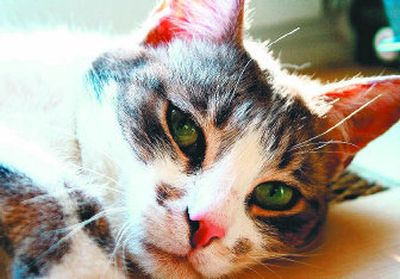

Euthanasia is a complicated subject. There are certain questions you may want to consider before you are faced with having to make that decision
How will I know this is the right decision?
Making the decision is the hardest part. Your pet cannot tell you how she feels, nor can your veterinarian predict the future with certainty. We, as veterinarians, have to weigh how much we think the pet is suffering (based on her behavior and on knowledge of how her illness usually affects other animals or humans suffering from it) against the likelihood that treatment would be successful in relieving her suffering and for how long. The cost of the treatment, unfortunately, is often a very important factor in the decision. (Pet insurance can remove a lot of this financial consideration, but currently only one half of 1 percent of pets in the U.S. are insured.) Behaviors such as not eating, not seeking out your company and lack of interest in surroundings may occur in animals who are suffering.
What happens?
Once the pet owner and vet have agreed that euthanasia is the only reasonable option available, what does the procedure entail? Basically, your vet will give an overdose of an anesthetic agent called pentobarbital. He or she may give your pet a sedative to relax her first.
Then the pentobarbital is given directly into a leg vein via IV catheter or needle. Pentobarbital depresses all brain function, causing unconsciousness in seconds and death from cardiopulmonary failure within one to two minutes or so. Other than placing the IV, which involves a needle stick, there is nothing at all painful about the procedure.
Should I be present?
This is another very difficult decision for many people. For some, seeing their pet after death is upsetting and leaves them with an unpleasant memory. You should not feel guilty about this. It is not a sign you don’t love your animal or are a bad owner.
Your veterinary staff will have sympathy for you and for your pet and will treat your pet gently and respectfully whether you are there or not. If you do choose to be present, you can talk to your animal and pet him during the procedure. Your veterinarian will tell you what to expect.
He or she will use a stethoscope to hear when the heart stops in order to confirm death. The fear that your pet is not really dead, but only deeply anesthetized, is extremely common, but, in reality, there is no reason this should ever happen. Most people who choose to stay with their pets during euthanasia are glad they stayed and have more of a sense of closure and certainty.
Should my child be present?
The death of a family pet is often most devastating for the children in the family and may be their first experience with the pain of grief. As a general rule, very young children should not be present. They may not be old enough to understand why this was necessary and may feel extremely angry or guilty.
Also, using the phrase “put to sleep” can frighten young children since they see that their pet is gone and are told he is never coming back. It’s best to honestly tell your child that your pet was too sick or badly injured to continue living. Let them see that you are sad, too, so they understand that grief is normal and OK to talk about.
Can it be done at home?
People are often surprised to find out their vet will make a house call to perform euthanasia. If your vet is unable to perform this service, he or she certainly will be able to refer you to a mobile vet who can do it.
What happens next?
There are basically two choices: burial or cremation. The legality of burying a pet on your property varies. Check your local ordinances or ask your vet. There are businesses in our area that can provide burial services for you.
With cremation, you can have a “private” cremation done, where you receive your own pet’s ashes back, or a “mass” cremation where your pet is cremated with other deceased animals and you generally do not receive any of these group ashes.
Unfortunately, most of us who share our lives with companion animals will be faced with these issues at some point. Being prepared for some of the issues involved can help when the time comes.
Carolyn Morrill is a veterinarian who lives in Spokane.