
‘Loft’ carries multiple definitions
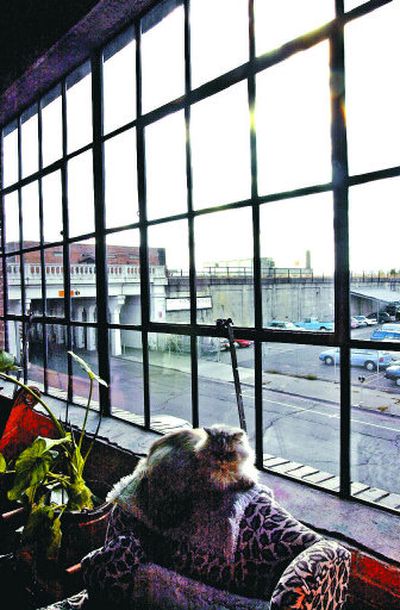

What exactly is a loft? Not everyone agrees on the answer.
Purists insist the term refers only to old industrial warehouse space that has been converted into a full-floor residence.
Requisite features include large windows, exposed building materials, very high ceilings, no interior walls, and wood or concrete floors. It was this type of loft that became chic in the early 1960s when artists in New York City’s SoHo district began living in reclaimed warehouse spaces and old factory buildings.
The high ceilings, open floor plans and ample natural light made them perfect for creative work, while the usually sketchy industrial neighborhoods meant low rent. And because they were in the city, they were also within walking distance of many urban amenities.
Although lofts continue to provide homes for artists and other creative types, they increasingly attract more mainstream occupants – urban professionals and empty-nesters seeking the convenience of city living without having to sacrifice space. The trend has led to a bevy of urban living spaces that deviate from the traditional definition of a loft, though many incorporate a handful of basic, loft-inspired criteria: open layouts, high ceilings, large windows, and exposed brick, pipes and ductwork.
Known as “soft” lofts, these abodes often have more in common with condominiums than a traditional loft space. As developers embrace the loft aesthetic, some developers have undertaken costly renovations of old buildings, while others simply incorporate “prefab” lofts into brand new developments.
For the developer, these hybridized lofts are often more cost-effective and less likely to violate building codes than their more authentic predecessors. And they often include acoustic and structural elements that make multi-family housing more attractive to those seeking a slightly less-bohemian experience. While many soft lofts lack the gritty glamour of a true loft, developers typically compensate with upscale kitchens, baths or other modern amenities.