
Death of the code
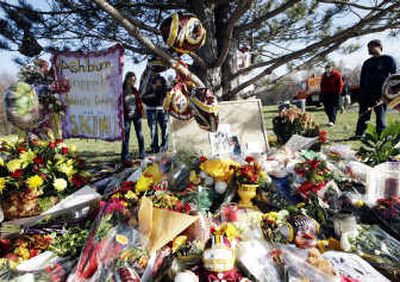
The credo has been erased. Or, more appropriate, shot full of holes.
The tragic death Tuesday of NFL star Sean Taylor, the Washington Redskins’ Pro Bowl safety, is the latest reminder that the inner-city criminal has revoked the exemptions once allowed gifted and ambitious young athletes.
There was a time when promising youngsters were protected by the community, watched over by adults, sheltered by the criminal element.
The tacit agreement was simple: The kid has a chance to make it. Don’t (mess) it up.
The thugs roaming Philadelphia in the 1960s allowed Joe Frazier to grow up and become heavyweight champ.
Those in the Chicago projects in the 1970s delivered Isiah Thomas from childhood to NBA stardom, did the same in the 1980s for Tim Hardaway and others.
Once they made it, they became heroes to the ‘hood. Sources of pride. Able to go back, give back and be embraced. Sometime in the 1990s, as a result of numerous factors, there was a change. As “crack” became the urban plague, the gangsta lifestyle was being glorified and guns were being romanticized, the credo – protect your best and brightest, for they are few – was destroyed.
Stephon Marbury, a die-hard New Yorker, recognized everywhere, was robbed on its streets. Sebastian Telfair, the New York prep star, got the same treatment. Paul Pierce, a young star in Boston seven years ago, was stabbed 11 times by fools who knew he was Paul Pierce.
It has happened in California’s Bay Area, too, from the strong-arm robbery of NBA star Gary Payton in a San Leandro parking lot in the ‘90s to the cold-blooded murder of De La Salle High School product Terrance Kelly, who had earned a scholarship to the University of Oregon, in 2003.
Though details behind Taylor’s murder continue to emerge – past misdeeds and brushes with the law leave his case open to conjecture – authorities theorize he was a robbery victim.
There is no question, though, that Taylor had made it. He survived the mean streets of South Florida, became a star at the University of Miami, was drafted by Washington in the first round in 2004, signing a multimillion-dollar contract. He was a product of his times, too, spending his first two NFL seasons projecting thug life, wearing ‘tude on both sleeves.
Not until last year, when he bought a home for his fiancee and the child they were expecting, did Taylor begin showing signs of maturity.
To be shot in his bedroom, at age 24, with his fiancee and 18-month-old daughter nearby, is awful news for his family, friends, teammates – and the black community.
Not that Taylor was more important than any other murder victim, but the NFL star appeared to be pointed down the road of good – to a place where he could parlay his fame into making a positive difference.
Now he’s as dead as Darrent Williams, the Denver cornerback shot and killed 11 months ago, when some coward shot up a limo after a party.
In the months before Williams was murdered, USC point guard Ryan Francis, a passenger in the wrong car, at the wrong place and time, was shot and killed in Louisiana. This was two months after thugs entered the suburban Atlanta estate of former Oakland Raiders cornerback Phillip Buchanon, stuck a gun in his mouth, and took $20,000 and valuables.
Buchanon always made a point of expressing pride in his roots. He wanted to project the flash and glitter of gangsta life. The man who called himself “Show Time” in Oakland now has a new outlook.
Unlike Taylor, Buchanon was lucky enough to survive his trauma and realize his celebrity did not keep him immune from the ills of the ‘hood. So he’s creating his own credo: Keep a safe distance from the lifestyle, from those he trusted because they were “homeboys.”
Buchanon feels it is necessary, simply to increase his chances of seeing his 30th birthday. How sad is that?