
‘Tagging’ incidents increase

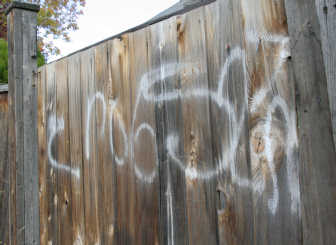
In SOME urban areas, graffiti art is a respected medium for conveying social and political sentiment. But a recent increase in graffiti and so-called “tagging” in some Spokane neighborhoods is viewed by many as unsightly vandalism, or worse – gang-related activity.
The phenomenon of “tagging,” in which graffiti is spray painted on walls and other surfaces, is on the rise in neighborhoods across the country. An estimated $100,000 in property damage has occurred in Spokane so far this year, according to city estimates. Nationally, graffiti has become a $12 billion annual problem in American communities.
In response, the city of Spokane is taking steps to mitigate the damage that graffiti taggers cause to properties in residential areas.
The Community Assembly, a coalition of independent neighborhood councils, has created a subcommittee comprised of representatives from the Spokane Police Department, the Downtown Spokane Partnership and the COPS program, among others, to research graffiti abatement programs in other communities and recommend changes for Spokane.
In addition, the City Council is exploring possible legislative changes that could provide additional resources to discourage graffiti.
In the meantime, citizens and property owners can do their part to report, document and cover graffiti quickly and help discourage repeat tagging.
The city’s COPS program operates a graffiti hotline where citizens can report incidents of tagging and similar vandalism to COPS substations throughout the city. Graffiti teams respond to the victim’s property location and document the crime with a digital photograph, which is then shared with the police in an effort to determine any gang affiliation. The city estimates that between 25 and 38 percent of graffiti in Spokane is gang-related.
Victims of tagging are encouraged to cover or remove the graffiti as soon as possible. Experts say there is a direct correlation between rapid removal of graffiti and a reduction in repeat vandalism. The city recommends removing graffiti within 24 hours of discovery.
Those unable to remove tags and other graffiti due to financial hardship or physical limitations should contact their local COPS substation and arrange to have it covered through the city’s Paint Over Graffiti program, which coordinates with other volunteer groups, including the Juvenile Justice Court, Spokane Public Schools, citizen groups and local college internship programs for cover-up and removal.
Property owners will be asked to sign a release allowing COPS volunteers to cover the graffiti. Although the program does not offer restoration of vandalized property, volunteers use neutral paint colors that blend in with the damaged surface. The program does offer suggestions for cover-up or removal, though property owners seeking professional service are advised to hire a contractor.