
Consumers get jolt of caffeine
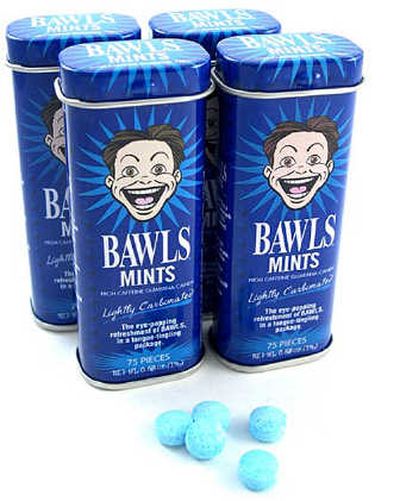
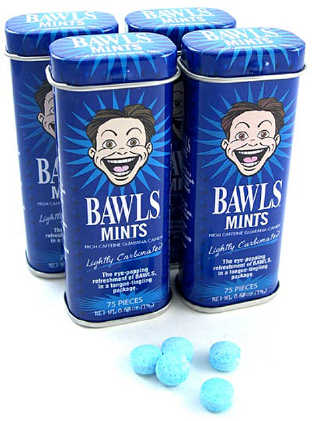
Imagine a morning like this: You wake up, have a cup of coffee, one that’s been brewed with caffeinated spring water. You eat a caffeinated doughnut, a caffeinated bagel and a large bowl of caffeinated oatmeal. In the shower you lather with caffeinated soap. You dry off, put on a pair of caffeine-infused tights, apply some caffeinated lip balm and pop a few caffeinated mints in your mouth.
You’re ready to face the day.
And run headfirst through a concrete wall.
Before you scoff at such foolery, realize that all those caffeinated products are either already available to consumers or in development. (Yes, caffeine tights are out there, promising to increase metabolism.)
The days of caffeine being available only in coffee, tea, soda, energy drinks and No-Doz tablets are long gone. It seems that each week brings a new caffeinated product to the shelves. Last month, consumers in the South were introduced to NRG potato chips (each snack-size bag contains the same amount of caffeine as a medium cup of coffee). They join caffeinated skin cream, gum, lollipops, sunflower seeds, beer and breath strips.
They are products with names such as Blitz Energy Gum, Bawls Mints, Shower Shock soap, Headshot energy bars and Crackheads (chocolate-covered espresso beans).
The public, hands jittery, seems to be grabbing the stuff off the shelves.
The makers of Buzzwater, which is spring water “enhanced” with caffeine, saw their entire 2007 quota – 3.2 million cases – sell out by July, according to the Ontario-based company’s vice president Steve MacGregor.
“Caffeine is the third most ingested substance,” he says. “Air, water, caffeine.”
While that may or may not be true, the popularity of these wacky wired products cannot be disputed.
MacGregor says Buzzwater is a hit with the military, on movie sets and with touring musical troupes, and that hundreds of Fortune 500 companies have it in board-room refrigerators for upper management.
“They say, I just want something different than a third cup of gut-rot coffee,’ ” says MacGregor.
Young people are driving the caffeinated-product explosion (Gramps isn’t putting SpazzStick on his lips or going into 7-Eleven for supercharged sunflower seeds), but they are still drinking coffee, too. Since 2003, the number of 18-to-24-year-olds who say they drink java every day has almost doubled, from 16 percent to 31 percent, according to the National Coffee Association.
Young people, especially college students, are burning hours like no generation before, says MacGregor, with the stress of studying, paying for school, a social life and technology.
“It’s not eight hours,” he says. “It’s 12, 13, 14 hours a day. … What seems to be fueling it is caffeine.”
While caffeine is perfectly safe in small and moderate doses, there are risks, says Cleveland-basd dietician Julia Zumpano.
“There are side effects,” she says. “That’s the main concern.”
As anyone who’s ever pulled an all-nighter in the company of Maxwell House can tell you, those side effects include restlessness, anxiety, irritability, muscle tremors, headaches, diarrhea, nausea and rapid heart beat.
But the problems usually occur only after you’ve ingested 500 to 600 milligrams of caffeine, says Zumpano, or about four to six cups of coffee.
Caffeine is addictive, and your body will soon grow to need it, she adds. A day without caffeinated body wash or a Buzzed Bagel will mean pounding headaches.
With all these products, it’s a wonder someone doesn’t simply sell a pure caffeine liquid that you can pour into your wine, onto your salad or over your burrito.
Someone has.
The Perfect Brewing Supply Co. near Chicago offers PureCaf. Each 2-ounce bottle has more caffeine than 45 cans of Coke.
“It’s an ingredient, not something you drink,” says Jim Curtis, co-owner of Perfect Brewing. But just to make sure his product was safe, Curtis tested it, by drinking half a bottle.
“I was up all night,” he says, “but I was OK. … I’d rather be dead than get sued.”
When news of PureCaf hit the blogosphere, the hits to PureCaf.com went from seven a day to 18,000, says Curtis.
“The reaction we’ve gotten, there seems to be no middle ground,” he adds. “They either think we’re geniuses or we’re going to destroy the world.”