
Under fire to raise forest fees
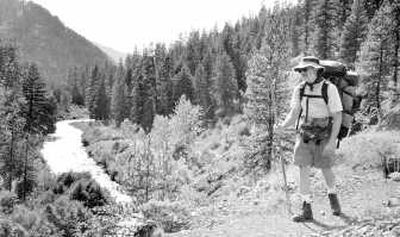

While federal fee-demo program fees were rescinded on many national forests in 2005, the cost of fighting wildfires has been cited as a main factor forcing federal land managers to impose new fees and increase existing ones at western recreation sites.
The Umatilla National Forest currently is taking public comment on new fee proposals for popular sites in the Blue Mountains.
Federal agencies also are cutting costs by closing hundreds of marginally profitable campsites and other public facilities. Many more sites, including overlooks and picnic areas, are being considered for removal.
“As fire costs increase, I’ve got less and less money for other programs,” said Dave Bull, superintendent of the Bitterroot National Forest in Hamilton, Mont. The charge for access to Lake Como, a popular boating destination in the national forest, will be increased this year, to $5 from $2.
Last year, the Forest Service collected $60 million in fees nationwide, nearly double the $32 million in 2000. The Bureau of Land Management, the country’s biggest landlord, also doubled its revenues over the same period, to more than $14 million from $7 million.
Though the new and increased fees still account for a small part of the agencies’ overall budgets, they have riled elected officials and environmental and recreation groups. The critics complain there has been insufficient public involvement in the changes — imposed at hundreds of locations over the past three years or so — and suggest they reflect a significant shift in federal policy to a market-based approach from one of managing sites for public benefit.
Unlike the National Park Service, which has routinely charged admission and other fees at its parks, the Forest Service, BLM and other federal agencies have historically been less aggressive in imposing such assessments.
“Our government wants to charge us $5 or $10 to go for a walk in the woods — our woods,” said Kitty Benzar of the Western Slope No-Fee Coalition, in Durango, Colo.
Sen. Max Baucus, D-Mont., has introduced a bill that would repeal the authority of the Forest Service and other agencies to raise or institute many of the fees.
Federal officials say the fees are unavoidable because Congress has not increased financing for the Forest Service and the BLM even as the cost of fighting fires on public lands has consumed more of their budgets.
“Firefighting costs went from 20 percent of the overall agency budget to 47 percent,” said Bull, comparing the current Forest Service budget with those in the mid-1990s. Last year, the agency spent $1.4 billion on fighting fires.
The Umatilla National Forest, which straddles the Oregon-Washington border, is typical of the new approach at undeveloped or minimally developed locations. Umatilla officials recently proposed increasing camping fees plus 39 new fees, including a $5-a-day charge ($30 for a season pass) to use 17 trailheads, most into wilderness areas that are now free. Violators would be subject to tickets and up to $75 fines for the first offense.
Public comment on the proposals is being accepted through August. The proposals would reinstate some trailhead fees recinded in 2005 and add new fees to specific sites across the forest.
The fees were eliminated in 2005 because of a technicality in new laws, Umatilla officials say. Improvements have been made at the facilities to bring them in line with federal fee guidelines.