
Griffey’s glass slipper never fit

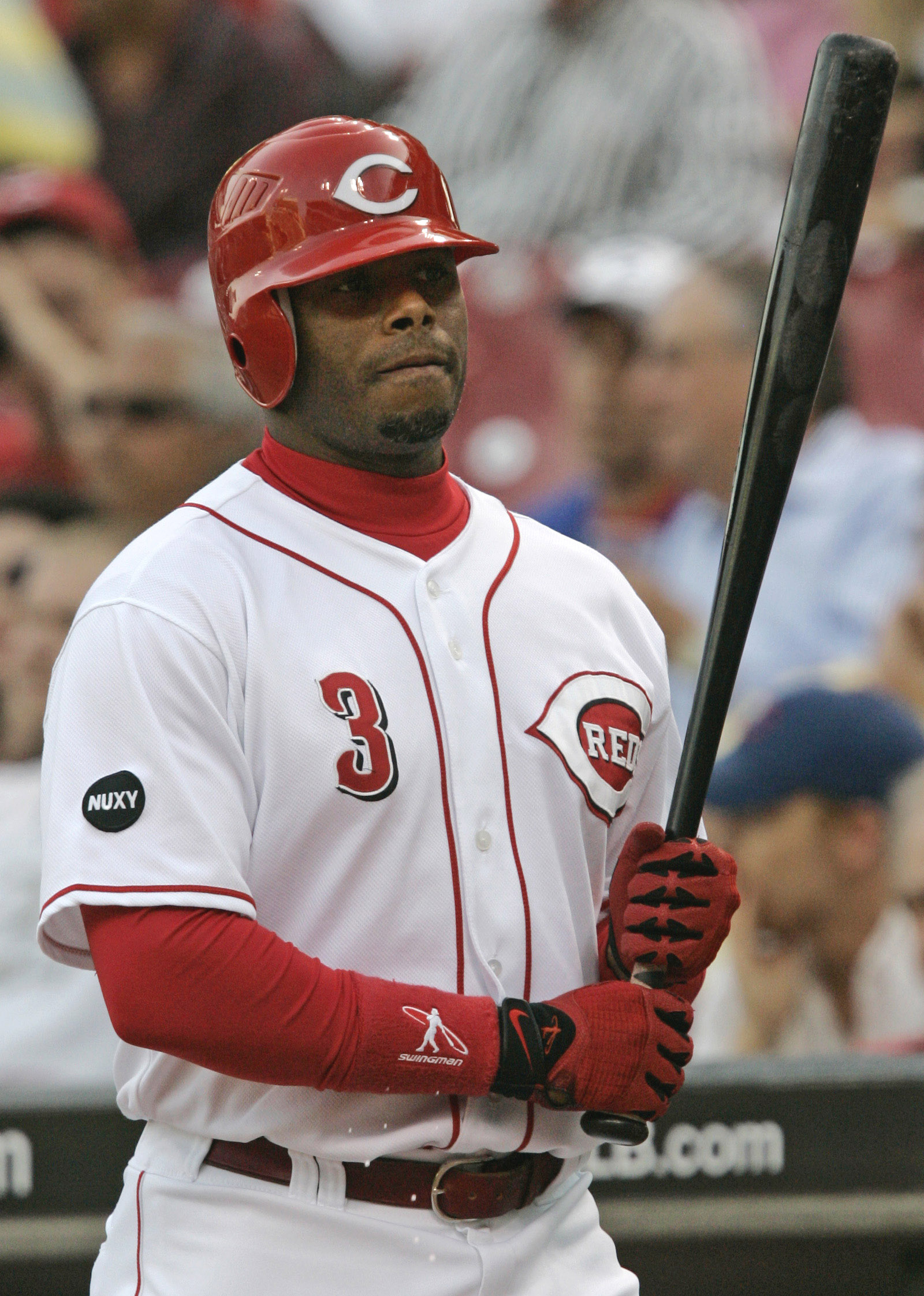
It was a fairy tale marriage made in baseball heaven. Sad for both sides that it never quite paid off.
In the end – and the end came Thursday – there were no trophies or rings or memories of glorious Octobers for Ken Griffey Jr. and the Cincinnati Reds. More a collection of might-have-beens and what-ifs, and perhaps this lesson:
Sooner or later, the business of baseball will overpower the best wishes of baseball.
On the February day in 2000 when Junior became a Red, the future in Cincinnati was bright and clear. He was returning to his roots, and taking less money than he could have received elsewhere to do it. He had grown up in Cincinnati, and watched his father play right field for the mighty Reds of the 1970s.
Is there anything sweeter than a hometown discount for someone who at the time had hit 398 home runs?
The Reds of 2000 were not so mighty, but they were contenders, finishing second the season before. They seemed just a player or two away. And here came one of the hottest stars of the game from Seattle, barely 30 years old, still in his prime.
The ticket phone lines lit up in winter, because wasn’t it obvious what would happen next?
Now it is eight years later and Ken Griffey Jr. is a new outfielder and designated hitter for the Chicago White Sox. His hometown team traded him because it is going nowhere, and he is 38 and time is running out to get to the World Series. Maybe it can happen for him in Chicago.
The parting was amicable. Certainly not Manny Ramirez and the Boston Red Sox, who couldn’t get along even if they do share two World Series titles. When it came to Manny being Manny, Fenway Park apparently was not big enough for the both of them.
Griffey had no such problems in Cincinnati. His time there was honorable and earnest and free of scandal, steroid or otherwise. He hit his 600th home run for the Reds, and a good deal more.
But there was also the torn left hamstring in 2001 … and the torn right knee tendon in 2002 … and the torn right hamstring in 2002 … and the dislocated right shoulder in 2003 … and the torn right ankle tendon in 2003 … and the torn right hamstring again in 2004 …. and the strained right knee tendon in 2006.
Fate did not often give this man a break. By the time he was healthy again, he was also getting old.
The standings through the years looked no better for Cincinnati than a lot of Griffey’s MRIs. The Reds finished second again in 2000, and have been third place or worse since. They had taken a wrong turn on the way to the promised land, and instead of annual pennant races found perennial fights with Pittsburgh for last.
Among Griffey’s figures as a Red were these discouraging numbers: eight trips to the disabled list, seven losing seasons, six managers worked for … and not one playoff appearance.
By this summer, it was plain the end should be near. The Reds are Central Division leftouts again, and need to hurry up with their youth movement to keep the public interested.
Though he took less money to go home, his $12 million-plus salary was still an enormous chunk of the modest budget of a small-market team. The Reds are not known as big spenders. The one player they spent big on had to produce every season. Most of all, he had to stay healthy.
Ken Griffey Jr. didn’t. Not his fault, just his misfortune.
So now they part, and the legacy of the Griffey era in Cincinnati is a good deal different than the promise of 2000. Reality was never going to let this marriage fully blossom.