
R.I.P.? (Rock in Peace?)
With so many top acts approaching social security age, the days of arena rock may be coming to an end
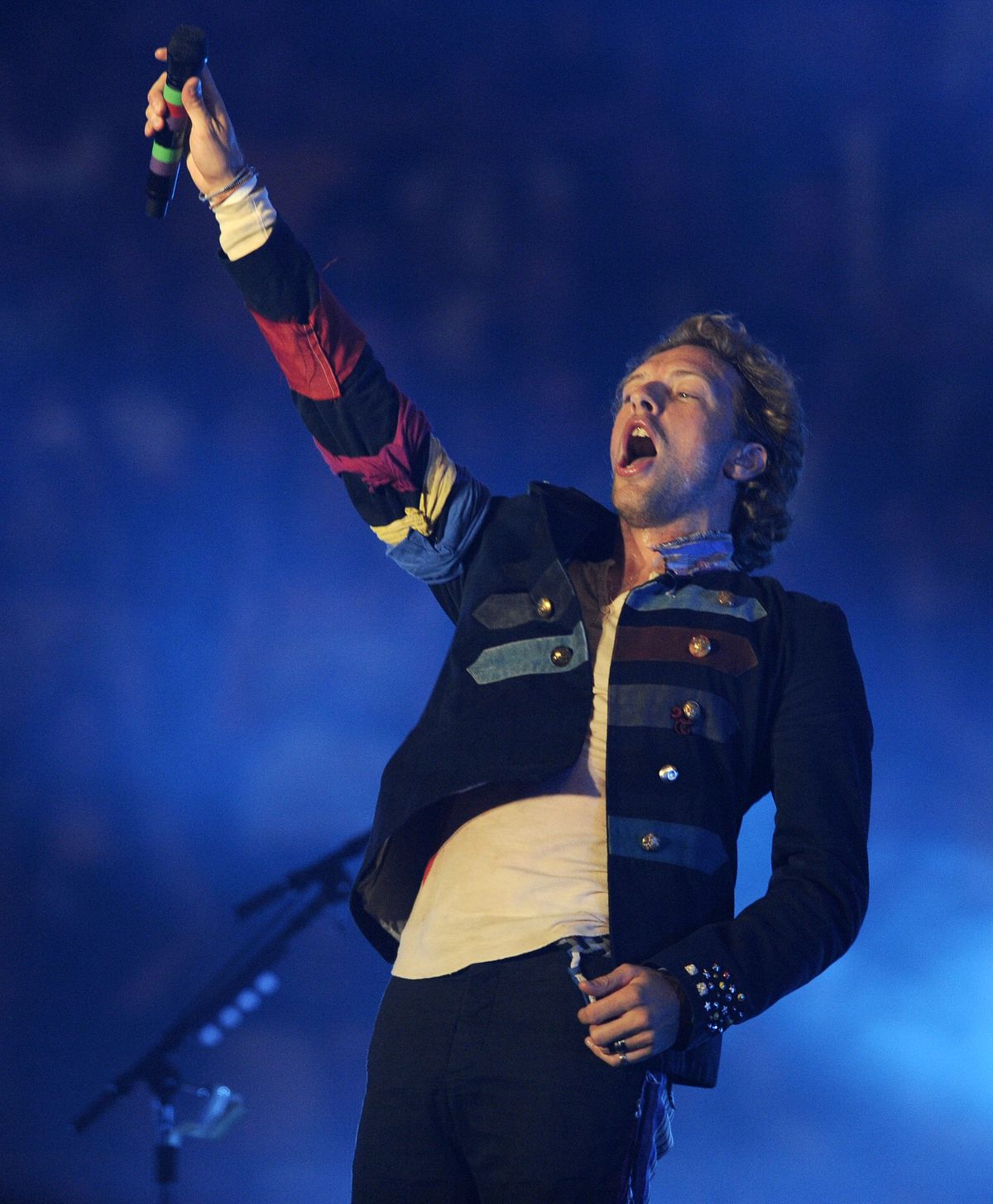
A moment of silence, please, for arena rock. OK, it’s not quite dead yet. But the days of the big rock ’n’ roll concert would seem to be numbered. Certain things we won’t miss: The high-priced tickets. Those long bathroom lines. The view (through rental binoculars) from the nosebleed seats. Still, you have to admit, when you and 20,000 of your closest friends used to sing along at the top of your lungs while Bruce Springsteen was belting out “Born to Run,” the communal experience was pretty cool. So what happens when the Boss and other consistently top-grossing road warriors hang up their guitars for good? Will there be enough younger artists to fill the void on the arena circuit – not to mention all those seats? Some experts think not.
So-called “heritage acts” – such as Springsteen, the Rolling Stones, Rod Stewart, Billy Joel and Jimmy Buffett – “have been fueling the business for decades,” says Gary Bongiovanni, editor of the concert-industry trade magazine Pollstar.
“Year in and year out, those acts are good for 18,000 seats, but that part of the business is going to come to an end,” Bongiovanni says. “It’s already lasted much longer than any of us probably expected it would, including the musicians.
“We’re talking about musicians in their 50s and 60s. The Eagles are still doing great live shows, but how much longer can they do it?”
There are younger acts, including Coldplay and the Jonas Brothers, making the rounds in arenas and amphitheaters, notes John Vlautin, a spokesman for megapromoter Live Nation.
The likes of the Dave Matthews Band (returning to The Gorge for three shows on Labor Day weekend) and Radiohead also have emerged as major players.
Yet it remains to be seen if any of those acts will enjoy the same longevity as their classic-rock forebears.
“We’re seeing more artists develop up to arena-level or amphitheater-headlining status for a couple of tours, then fade back down,” Bongiovanni says.
“As we look at who’s popular – and there are some really great new artists out there – the real question is: Is John Mayer still going to be selling tickets 30 years from now, like James Taylor is 30 years past his prime?
“Pick a band. Is Green Day going to be replacing the Who?”
The recording industry’s well-documented woes aren’t helping matters. After years of declining album sales, record companies no longer can afford to invest in artist development over the long haul, as they once did.
The major record labels are “in such sad shape, they’re almost irrelevant at this point,” says music-industry analyst Bob Lefsetz, publisher of the Lefsetz Letter blog.
Record companies used to nurture acts as they worked their way up the ladder, from clubs to theaters to larger venues. Somewhere along the line, however, the emphasis appears to have shifted to making a quick buck.
“The key is to create a hoopla first, then play as big a venue as you can,” Lefsetz says. “The first act I remember that did that was the Spice Girls. They played arenas very soon after they came out, based on raw demand.
“Whereas it used to be, ‘Let’s hold back, let’s get the audience enraptured and let the word spread.’ ”
Today’s instant sensations can find themselves ill-prepared to work crowds, says Mike Campbell, lead guitarist in Tom Petty’s Heartbreakers band.
“When we started out, we played a lot of bars and drove around all over … just to play,” Campbell says.
“It seems like nowadays people just want to get their computer and put their record out and be rock stars overnight,” he says. “What happens is, they don’t learn those skills you need to become a performer and to present your music live.”
The loyalty of younger concertgoers (or lack thereof) could be an issue, too.
“Steve Miller Band fans from the ’60s and ’70s are still Steve Miller Band fans,” Bongiovanni says. “For that generation, the music actually was more than just music. It was part of the social and political fabric of people’s lives.
“I don’t know that kids today have that same kind of connection. That’s not to say that music isn’t important. I just don’t think it has the same cultural connotations.
“Music is more of a disposable commodity. We live in an environment where most kids carry their entire music collections in their pockets.”
Not everyone is convinced the outlook is bleak.
“People will always have a craving for live music,” says sequined superstar Neil Diamond. “I think that’s the real attraction of the arena experience, not only to see their artists that they love, but to be there at the same moment, experience the song as it’s being performed.
“It’s a very immediate, visceral kind of a thing,” he says. “I don’t see people standing up and cheering when they listen to one of my albums, but I do see it at a concert, and that’s the difference.
“That’s why I think live concerts will always be around, because that feeling and that experience cannot be duplicated.”
But the experience probably will be downsized in the years ahead.
“The general industry view is there are going to be fewer arena-level tours and more business in the middle of the market, playing venues with anywhere from 4,000 seats to 12,000 seats,” says Pollstar’s Bongiovanni.
“One of the biggest agents in the business told me the future is in the theater business,” adds blogger Lefsetz. “We’re not making new arena acts.”
Try telling that to Todd Rundgren. The veteran rocker’s upcoming album, “Arena” (due Sept. 30), is – you guessed it – an unabashed stab at arena rock, driven by meaty guitar riffs.
“I’m exercising what you might say is an experiment in self-fulfilling prophecy, in that if I play arena rock, I might wind up playing in an arena,” Rundgren says.
“Even though Utopia (Rundgren’s on-again, off-again band) and myself would play arenas on occasion, we weren’t really arena rockers. We were progressive rockers.
“My ideal scenario is I wind up opening for some arena-rock act, and that will get my foot into the arena door.”
In the meantime, he’s playing decidedly smaller venues.
“A packed club and a packed arena are really no different, except for the number of people,” Rundgren insists. “I encourage people to put themselves in that arena headspace, to pump their fists and to sing along and to testify in that old arena-rock way.”
So go ahead and raise a glowing cell phone or (if you’re really old-school) a flickering cigarette lighter. Long live arena rock.
Even if the only thing missing is the arena.