
The latest word
Getting a book published isn’t the rarefied literary feat it once was. New printing technologies are making published authors of legions of aspiring writers, a population that once toiled for years on tomes that might not see the light of day.
The vast majority of today’s instant authors may sell only a few dozen copies of their books, but on-demand publishing is letting thousands realize the ambitions of generations of would-be writers.
On-demand publisher Lulu.com has churned out 236,000 paperbacks since it opened in 2002, and its volume of paperbacks has risen each month this year, hitting 14,745 in November. Retail giant Amazon.com got into the game this summer, offering on-demand publishing through its CreateSpace, which was already letting filmmakers and musicians burn DVDs and CDs.
The programs are easy for just about anyone to use: Authors select basic options, including the book’s size, binding style and paperback or hardcover. After the manuscript is uploaded, users go to a page where they select a font and design the book’s cover. Even after a book has been printed they can fix typos for later printings.
Unlike vanity publishing, in which aspiring authors pay to have their books run on traditional presses, on-demand publishing doesn’t have to cost writers a cent.
Publishers produce books only after they’re ordered and paid for, which eliminates overruns and the need for warehousing. They charge for printing or take a cut of sales, and they set up payment systems, online bookstores and Web marketing tools.
Some authors publish on-demand books in hopes of catching the eye of a major publisher. But not all writers who use on-demand publishers aspire to write the great American novel.
The system also allows small businesses to print high-end brochures, screenwriters to shop their scripts around and others to assemble wedding and other special-event books for friends and family.
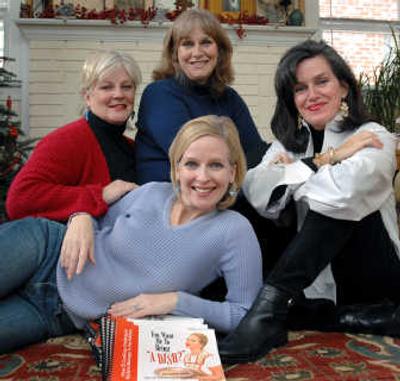
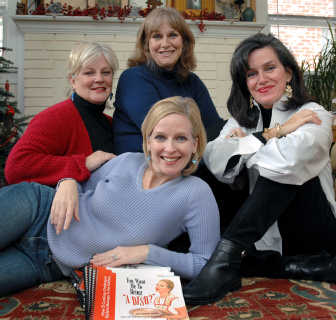
“I’m just amazed I have the book in my hand,” said Catherine Dyer, a 49-year-old Atlanta resident who co-authored a cookbook with her four sisters through Lulu.com. “I knew trying to get a traditional publisher would take ages. With this, I knew at the onset I could have a book in my hand.”
“You Want Me To Bring a Dish?” – the sisters’ 104-page cookbook – sells for $22.76. They’ve ordered about 100 copies to stock stores around Atlanta and are promoting the book through signings and radio shows.
The challenge for authors now is getting the word out about their work.
“It’s all about the marketing and distribution. We realized early on that that was the bigger challenge,” said Eileen Gittins, founder and CEO of Blurb.com, an on-demand publisher with 11,000 available self-published titles.
To help authors, Blurb automatically creates banner ads that can be dragged and dropped onto other Web sites.
What makes self-publishing viable is the Internet, which gives writers instant access to audiences that share their same interests, no matter how obscure. Authors also use online communities to market their works.
For most aspiring authors, a book deal with a major publishing house remains the ultimate dream, however. Big companies can promote authors on a national scale and get titles in major bookstores. Even so, users of Amazon’s CreateSpace are listed the same way as literary giants online. Keyword searches will pull up self-published books along with those of Grisham, Shakespeare or Rowling.
The writers live with drawbacks that would drive a purist crazy. Printing quality can vary, with images possibly emerging denser or brighter in some copies. Some in the industry say the quality of on-demand publishing has improved greatly and few would be able to distinguish the difference from those printed on traditional presses.