
Laying hens can be right at home even in urban setting
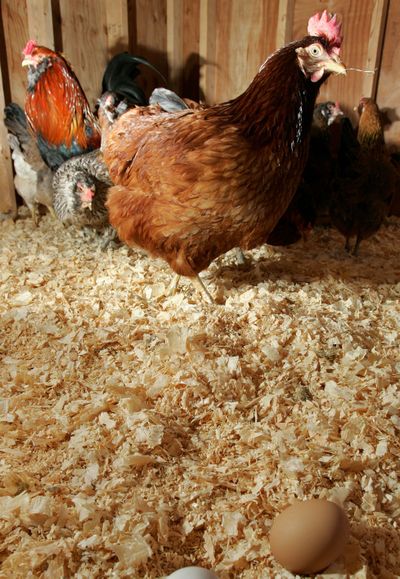
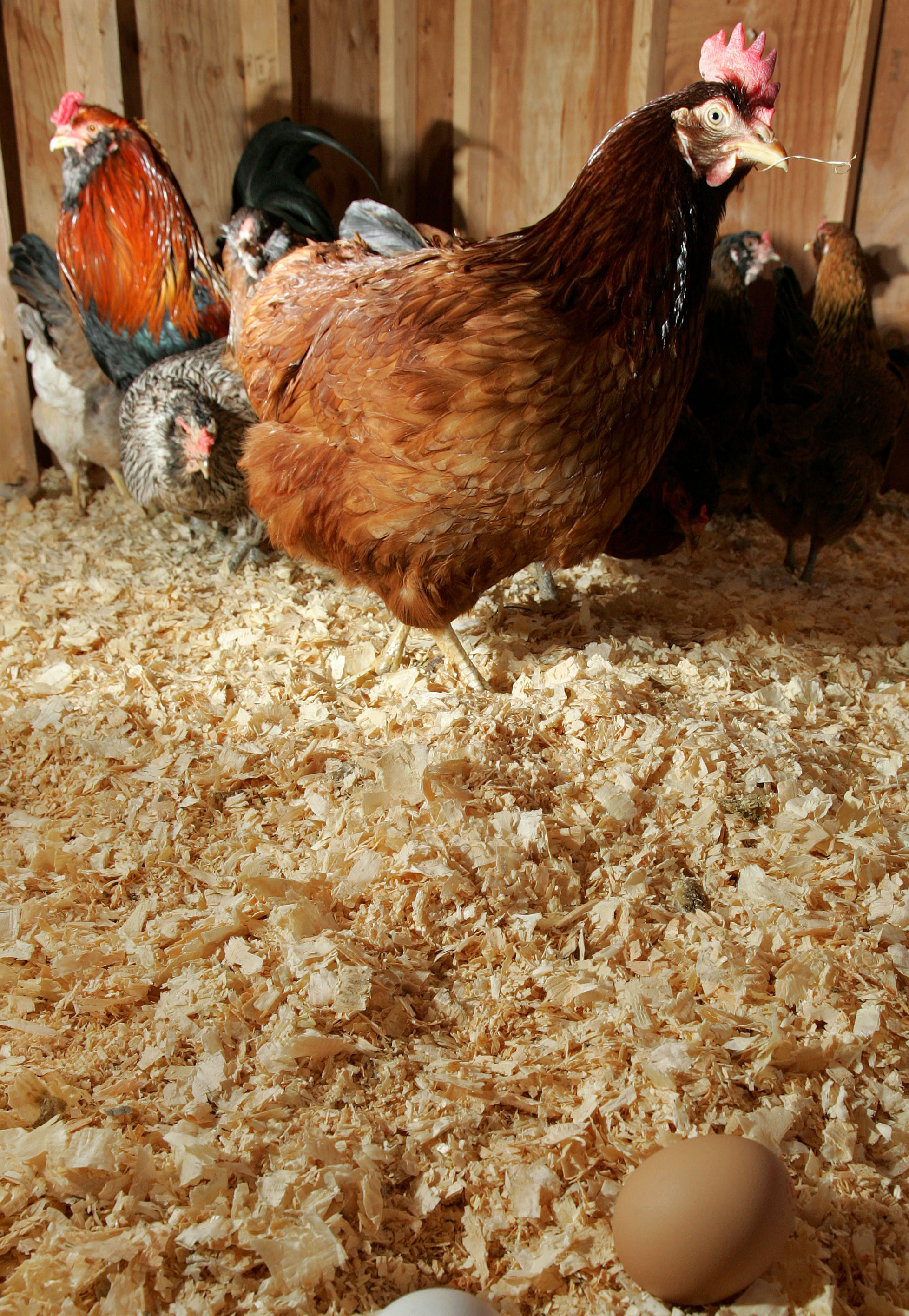
While our family has been traveling this year in rural France and Ireland, we’ve been away from our own beloved dog and cat at home. But we’ve had the opportunity to really get to know other kinds of pets altogether: goats, chickens and rabbits.
The ones that we’ve enjoyed the most during our farm stays, both for their personalities and for the food they produce, are the laying hens. My son is now completely devoted to our plan to get a few laying hens of our own, despite not living on a farm. We have an average-sized suburban yard with good shade, and considering as many free-range eggs as we eat every week, the investment in the chickens themselves and their feeding and housing will hopefully be recouped in a short amount of time.
Laying hens are perfect pets for young urban farmer-cooks. They aren’t dangerous, don’t require an unreasonable amount of space, they will eat some kitchen scraps, and they don’t need constant attention.
Just a couple of them won’t be a nuisance to anyone if you don’t get a rooster, and keep the coop clean. My son loves to take them little treats like peas and raisins and is convinced that the chicken that had been slacking off has started laying again thanks to his attention.
The everyday miracle of an egg has the power to enthrall children and grownups – and make us more aware of our food sources. Collecting the eggs every day is a chore my son looks forward to.
So I’ve been teaching him how to cook these delicious, bright-yolked backyard-produced eggs. The easiest at first is fried and soft-boiled. Stay close to children younger than 10 or 12 who are at a hot stove, and teach them basic kitchen safety rules: turn the handles of pans away from the edge of the stove, don’t wear dangling sleeves that could catch on fire, know how to use the fire extinguisher and where it is stored, and never use water to try to put out a kitchen fire.
Fried eggs
Until a child can crack an egg without dropping bits of shell everywhere, have her break it against the inside of a small ceramic or glass bowl first. Then pour the egg from the bowl into a medium hot, lightly buttered nonstick frying pan. For sunny side up, cook at medium-low until the yolk is starting to set. For over easy, cook at medium on one side until the white is set, then flip gently and cook another minute on that side. For over medium or over hard, leave the egg to cook just a bit longer or longer again after it’s been flipped. Serve immediately with salt and pepper, accompanied by hot buttered toast.
Soft boiled eggs
Gently put the eggs in a saucepan on the stove. Using a pitcher of fresh tap water, pour enough water in the pan to just cover the eggs. Turn the heat on high and as soon as the water starts to boil, set a kitchen timer for 3 minutes. Turn the heat down slightly so the water doesn’t boil over. When three minutes is up, turn off the heat and remove the eggs from the water, carefully, with a slotted spoon.
Serve eggs in egg cups. Tap the egg with the edge of a spoon, making a slight crack all the way around, about one-third of the way down from the top of the egg. Stick the spoon into the egg through the crack and scoop off the top. Scoop out the cooked egg from this part and eat immediately. Leisurely enjoy the rest, dipping out the cooked egg from the shell with the spoon and seasoning with salt and pepper when required.