
Believe we can do better

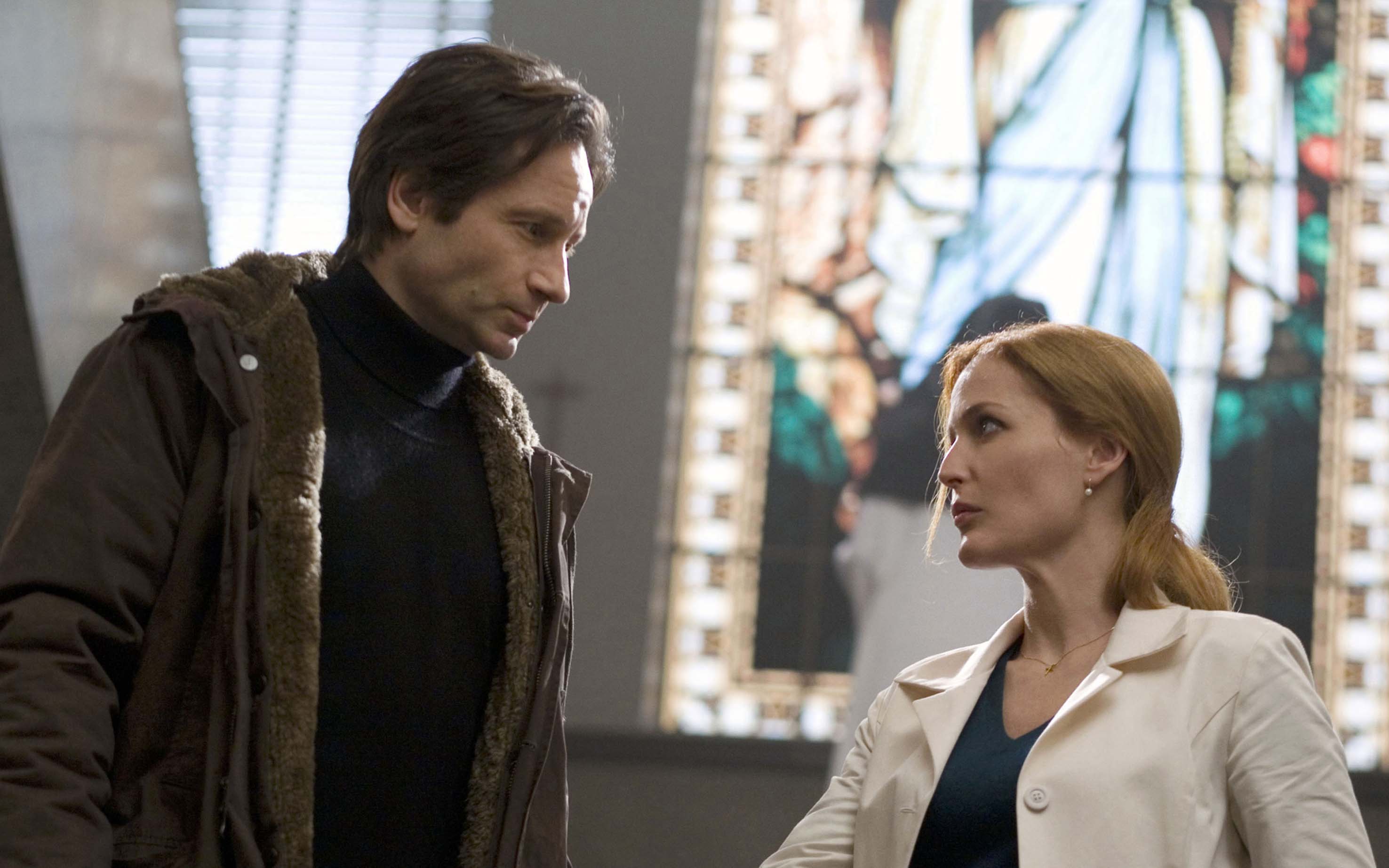
“The X-Files: I Want to Believe” – the sequel to the 1998 “X-Files” movie and the hit ’90s TV show of the same name – should really be called “The X-Files: I Can’t Believe THIS is What They Came Up With.”
“X-Files” creator Chris Carter and longtime writer Frank Spotnitz had a few years off to dream up new adventures for everyone’s favorite male-female FBI detective team.
All seemed good on the surface. After the TV series went from occasionally brilliant to often boring (not unusual for a show that lasted for several seasons) and the first film proved turgid, some time away from Fox Mulder (David Duchovny) and Dana Scully (Gillian Anderson) would seem to be what everyone needed.
Well, maybe they should have spent a few more years kicking ideas around. Because “The X-Files: I Want to Believe” feels more like “The X-Files: CSI” with some psycho-religious babble thrown in for good measure.
After a female FBI agent turns up missing in rural West Virginia, Mulder – who has been holed up in self-imposed isolation since being hounded out of the agency for his unusual beliefs and methods – is called back to duty by a bureau official (Amanda Peet) who thinks his particular skills are required.
It seems a disgraced, child-molesting priest, Father Joe (Billy Connolly), has been having visions related to the case.
Meanwhile, Scully – also out of the FBI and now a surgeon at a Catholic hospital – is brought back into the mix because she’s the only one who knows where Mulder is.
Of course, despite her protestations, she teams with her old partner to uncover the awful truth behind the disappearance of the FBI agent and, as it turns out, many others.
The best episodes of the TV show married the marvel and mayhem of what may be just beyond humanity’s vision with the romantic tension that grew between Mulder and Scully.
But as the series played out, the conspiracy behind all the shenanigans became more complex and harder to follow, Mulder and Scully’s relationship followed its course, and everything became less intriguing.
Freed from all the conspiracy back story, Carter could have really imagined something astonishing for “The X-Files: I Want to Believe.” But as the film unfolds in its predictable fashion, it becomes increasingly clear that it’s at best the equal of some of the standalone TV episodes that weren’t directly related to the conspiracy.
Oh, there’s a lot of talk about bruised faith and the need to believe – it’s no accident that always-skeptical Scully works in a Catholic hospital and has a patient with a seemingly incurable disease – but it’s all done in such a hamfisted way that it’s hard to, er, believe any of it.
Still, for fans of the show, it’s good to see Duchovny and Anderson back together; that odd, icy rapport between them remains. And one major character from the series makes a relatively brief appearance about three-quarters of the way through.
None of this, though, makes up for the fact that the whole we-have-met-the- enemy-and-he-is-us story line falls flat.
There’s just enough wiggle room at the end for a sequel. (Speaking of the end, “X-Files” diehards should stay through the final credits.)
If there is another one, I want to believe it has to be better than this.