
Big Brown not a lock in Preakness
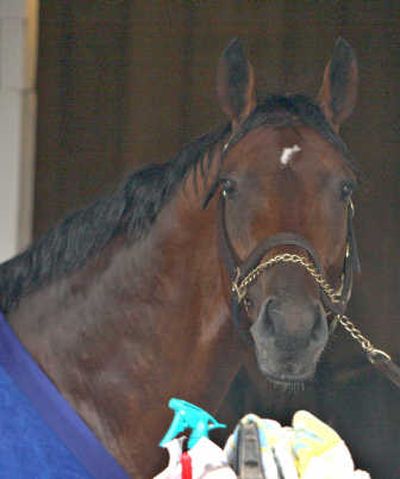
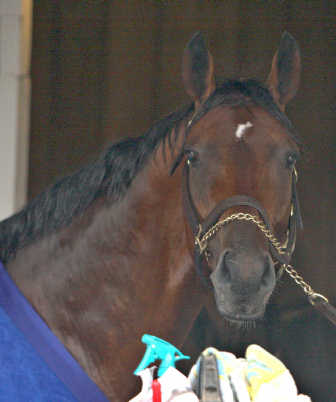
Big Brown was so overpowering in winning the Kentucky Derby, none of the 19 rivals he dusted off is showing up for another try in the Preakness Stakes.
This is not an insignificant development.
The last time just the Derby winner moved on to the Preakness was 60 years ago, when Citation won the 1948 Derby – then took the Preakness and Belmont Stakes and became thoroughbred racing’s eighth of 11 Triple Crown champions.
Unbeaten Big Brown has generated Triple Crown excitement of his own after his 4 3/4 -length Derby romp, but what’s different this time is the number of new challengers arriving at Pimlico Race Course in Baltimore for Saturday’s race.
Unlike the ‘48 Preakness, when Citation beat only three opponents, Big Brown could face 11 3-year-olds from all parts of the country – Giant Moon from New York, Hey Byrn from Florida and Yankee Bravo from California, to name a few.
So if Big Brown easily handled most of the leading 3-year-olds in the Derby, why are so many others lining up for what appears to be a mismatch?
The simple explanation comes from Richard Schosberg, who trains Giant Moon.
“They still have to go around once,” he said.
While most agree that if Big Brown runs back or close to the form he showed in winning the Derby, the race will be for second-place money. The winner’s share is $600,000, but second is worth $200,000 and third $100,000.
A lot can happen in 1 3/16 miles over a Pimlico racing strip considered to favor speed, with tight turns that could make it tougher on horses with an outside post position.
Yes, Big Brown has shown he’s fast and can win from an outside post – he and Clyde Van Dusen in 1929 are the only Derby winners to leave from the No. 20 post.
But will Big Brown get his usual strong start? Will there be jostling for position around the first turn? Will Big Brown be able to produce another top effort just two weeks after the Derby? Would a wet track bother him? What about the front hoof problems that forced him to miss 90 days of training? And is there a well-rested rival sitting on the race of a lifetime?
In horse racing, the only sure thing is that nothing is certain. Even the great Secretariat lost a few.
“Let’s not get Big Brown in the Hall of Fame too soon here,” Reade Baker, the trainer of Preakness starter Kentucky Bear, said last week.
Baker said Big Brown could be vulnerable based on a short turnaround, especially after a peak performance at 1 1/4 miles, the longest distance most 3-year-olds will ever run.
“The wise guys would say he’s going to bounce,” Baker said. “How come he can’t bounce now?”
Big Brown became the most lightly raced Derby winner since Regret in 1915, and trainer Rick Dutrow Jr.’s chief concern is whether his colt can handle the short time between races.
“If our horse can just get over the two-week thing and basically go out there and run the way he has been running, he’s going to be tough to beat,” Dutrow said.