
Cameras an important tool in wildlife efforts
Images provide unique perspective of animal habitat
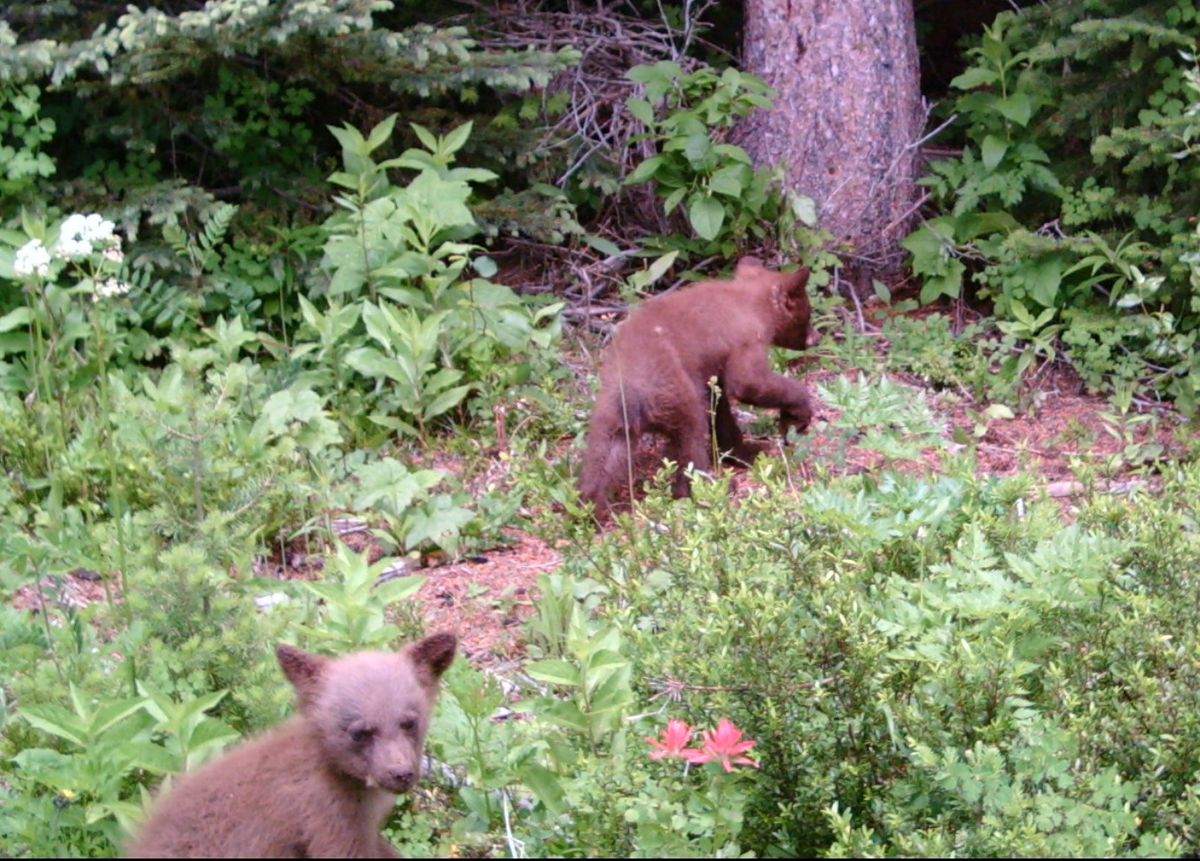
Biologists and conservationists have been using remote camera technology on a limited basis for years to help document lynx, fishers, wolverines, wolves, grizzly bears and other rare wildlife species in the Inland Northwest.
Volunteers organized by Conservation Northwest pioneered a “Rare Carnivore Remote Camera Project” starting 10 years ago in the North Cascades. Even with relatively crude cameras that shot 35mm film, the group captured its first remote wolverine photos in 2001, giving credence for increased conservation measures to protect habitat for the reclusive species.
The group also used cameras to document Canada lynx in northcentral Washington.
In July, the group captured images of six wolf pups and a collared adult in July – the first verified wolf pack with puppies in Washington in more than 70 years. State biologists later verified the pack with DNA testing as Washington enters a critical period on establishing management plans for wolves that are reintroducing themselves to the state.
In August, Scott Fisher, biologist for the Washington Department of Natural Resources, captured a single image of two wolves in Pend Oreille County.
“That’s significant from a breeding perspective,” said Fisher, who got photos of single wolves in 2007. “Once you have a couple of wolves, sooner or later you’re going to have wolves of both genders. The odds go up of having babies and a pack.”
Fisher said remote cameras are a useful tool for an agency biologist.
“They’re fairly accurate,” he said. “With a photo, you can document that at a certain time and place an animal was there. It’s not easy to find tracks in a lot of this northeastern Washington country, and a lot of scats can’t be identified with 100 percent accuracy without DNA analysis, and there’s no money for that.
“Cameras are fairly low maintenance. I put them out and don’t have to deal with them for weeks. I can be gathering a lot of information about critters without the hours and hours in the field that take me away from my other duties. They help me use my time much more efficiently.”
In the past four years, the group has trained cameras on game trails in northeastern Washington and North Idaho.
“It was plagued at first with camera problems, but the cameras are much better now,” said Candace Hultberg, who is using some of the work in the past four years for her graduate program in conservation and wildlife at Eastern Washington University.
The cameras can be triggered by infrared motion detectors or even an animal’s body heat, day or night.
“We had volunteers monitoring six cameras in Pend Oreille County and one in Idaho. It takes a lot of time to check those cameras every two weeks, especially the cameras that involved a 20-mile round-trip hike.”
The camera gets only a glimpse of the action. The big picture is a combination of monitoring scats, markings and vegetation along with the photos, she said.
To document tracks, she sets out sent near track plates that capture animal tracks for analysis. “The box of plates is 3 feet by 1 by 1 and weighs 70 pounds,” she said.
“My husband, Cameron, is my packhorse.”
The effort has turned up mostly cute black bear photos, including one of a bear chewing on the camera. “The camera didn’t make it,” she said.
Rich Krenkel and his wife, Faye, have volunteered to monitor cameras for five years to help boost the data base for underfunded Forest Service wildlife programs.
“Each year I start out with high excitement and it does drop off after a few times out checking the cameras and finding only the usual deer and maybe moose and maybe back bear,” he said. “Still, I’m stubborn and will keep at it hoping for ‘the photo.’ Besides it is nice being out in the woods.”
Krenkel generally sets up his cameras up old logging roads that have been closed to motorized use.
Steve Zender, a recently retired state wildlife biologist from Chewelah, indicated that Krenkel was on the right track.
Using tips on tracks and sightings in recent years, Zender and Pend Oreille County sportsman Tommy Petrie Jr. put out a remote camera that chronicled a wolf last year.
“We set up on a closed road and we got pictures of elk and then a wolf in the same spot,” he said. “Animals will use these roads like trails. I got some tips on using wolf lures from Montana, where they have a lot of experience, but the elk was there because of the easy walking.
“We know that wolves use roads for the same reason. The only thing the lure does is give them reason to pause.
“When wolves are moving, they go at 4-5 mph and use roads or trails to get into new areas. Intersections or passes often are likely spots, especially if it’s the intersection of several roads or trails.
“Heck, I’m sounding like a hunter, not a biologist.”
•See a slideshow from Conservation Northwest wildlife monitoring photos online: www.conservation nw.org/slideshow/ wildlife-monitoring.