
Shower curtains go natural
When my daughter Meg was pregnant, her husband installed a new shower curtain to pretty up their bathroom. The old curtain had been showing its age; a couple of ripped holes and stubborn mildew stains were reasons enough to replace it. We all know that new parents’ nesting inclinations will not stand for a moldy shower curtain! The new curtain was just the standard department-store variety. Nothing fancy, but it was shiny, bright and squeaky clean. Perfect for bath time with baby. Who would have guessed there was danger lurking in the air? At first, Meg didn’t mind the new curtain’s plastic smell. But as the hours passed, she became bothered. She went to bed, but then woke up in the middle of the night, headed straight for the bathroom, ripped the shower curtain down and tossed it out the back door! As it turns out, mother’s intuition — or olfaction, as the case may be — was on target once again.
Polyvinyl chloride (PVC) is a common component of the shower curtains and liners that you find on store shelves, but its popularity belies its nasty nature. What most shoppers don’t know is that PVC emits toxic chemicals that have been linked to serious health problems, according to a report released last year by the Center for Health, Environment & Justice in Virginia. The organization’s goal was to pin down exactly what causes that “new shower curtain” smell.
Researchers tested five PVC shower curtains from Bed Bath & Beyond, Kmart, Sears, Target and Wal-Mart. The study found that these shower curtains contained numerous questionable chemicals, including volatile organic compounds (VOCs), lead, organotins (chemicals used as heat stabilizers in PVC), and high concentrations of plastic-softening phthalates. Many of these chemicals evaporate straight into the air or cling to household dust, exposing us to asthma, kidney and liver problems, reproductive risks and even cancer. Despite the danger, manufacturers are not required to disclose shower curtain contents on the labels. Some may list “PVC” or “vinyl” on the packaging, and the recycling codes “3” or “V” also indicate the presence of polyvinyl chloride. If the labels leave you guessing, trust your instincts. Soft plastic and a strong smell generally point to PVC.
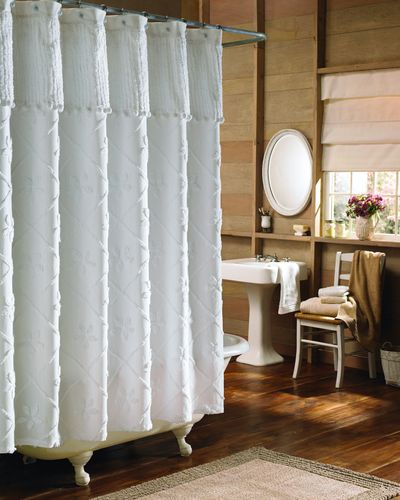
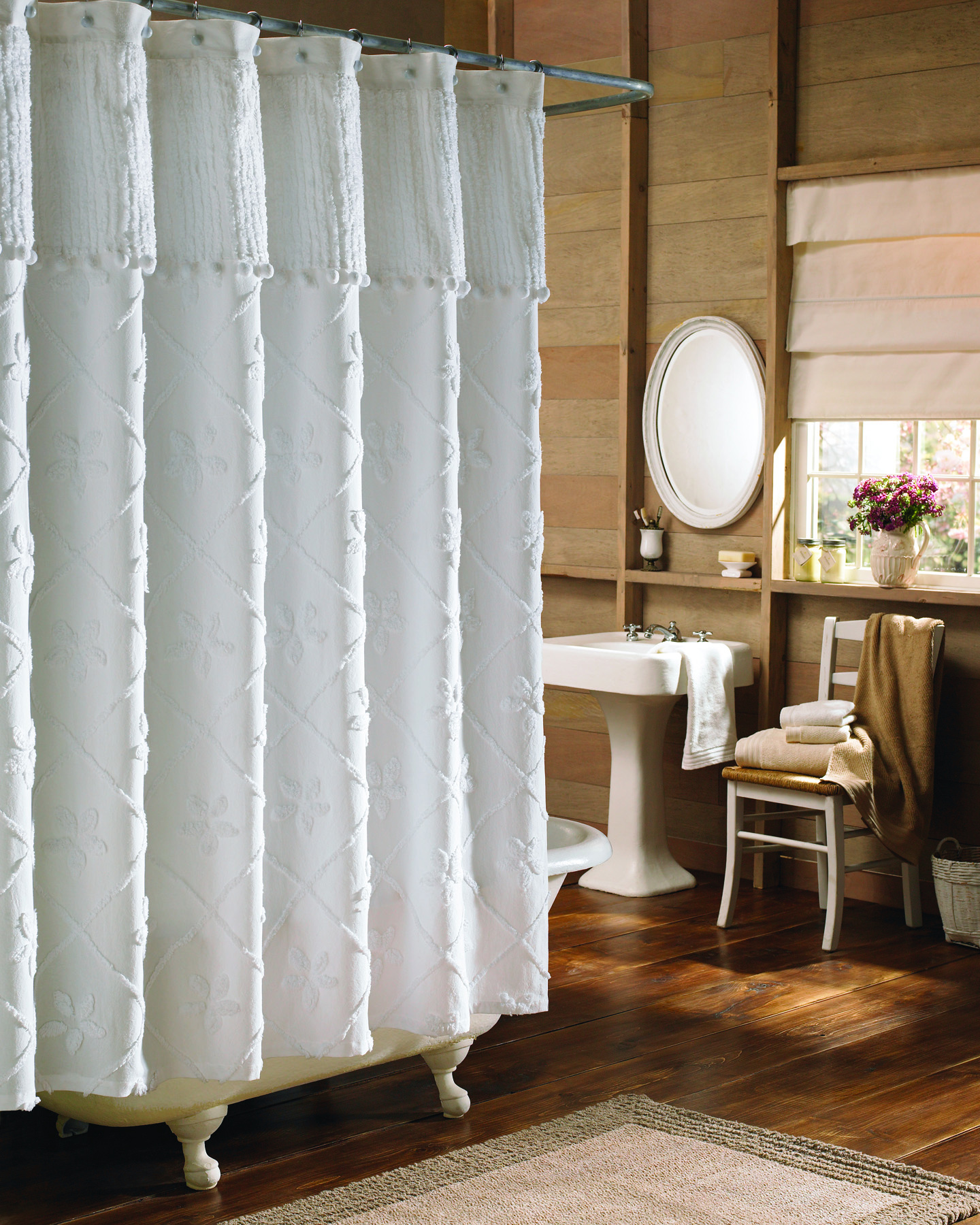
A number of companies are phasing out vinyl in their plastic shower curtains, but the safest and most sustainable choice is to go all natural. Natural fibers are better for our health, easy to wash and reuse, and biodegradable in the end. The most eco-friendly (but also the most expensive) option is hemp. If you have $70 to $90 to spend on a shower curtain, hemp will not disappoint. Hemp fiber is naturally mildew resistant and it dries quickly — no plastic liner needed. If you notice buildup, spritz with white vinegar or toss it into the wash and then hang it back up to dry. The steam from your next shower will take care of wrinkles. Cotton canvas shower curtains, preferably organic, also work well, and they’re cheaper than hemp. To me, natural-fiber curtains are more attractive and substantial than any of the other kinds. You can comparison shop for hemp and organic cotton shower curtains online at Pristine Planet (www.pristineplanet.com). You may also be able to find cotton curtains at your local department store.
Of course, if you’re feeling artsy, you can always make your own. Linda in Belgrade, Mont., sewed her shower curtain out of heavy cotton duck. “I purchased the material from my local fabric store and then took it to a cobbler to install 12 heavy-duty grommets. Very cheap!” Other ideas: sew fabric loops along the top of your curtain to avoid rings and hooks altogether or turn an old chenille bedspread into a shower curtain.
Shower curtains are just one of the common household products that contain PVC. Because it’s a cheap component to use in manufacturing, it can pop up just about anywhere. Other times to watch for this hazardous plastic include:
Shoes
Backpacks, purses and luggage
Raincoats
Watchbands
Imitation leather furniture
Mattress covers
Diaper covers
Strollers
Toys (Bath toys are particularly bad — a rubber ducky is actually made of PVC.)
Dish-drying racks
Drinking straws
Food containers and plastic wrap
Plastic utensils
Tablecloths
Car interiors
Balls and other sports equipment
Swimming pools
Garden hoses
Inflatable anything
Here’s a link to a shower curtain sewing how-to article: http://innovativesewing.com/12/simple-shower-curtains-how-to-make-this-project/