
Feds crack down on artifact looting
Twenty-four accused of dealing in pilfered Native American artifacts

WASHINGTON – Striking at a longtime practice in the Four Corners area, federal authorities on Wednesday arrested 24 people in what they called the largest investigation ever into the looting of Native American artifacts on public lands.
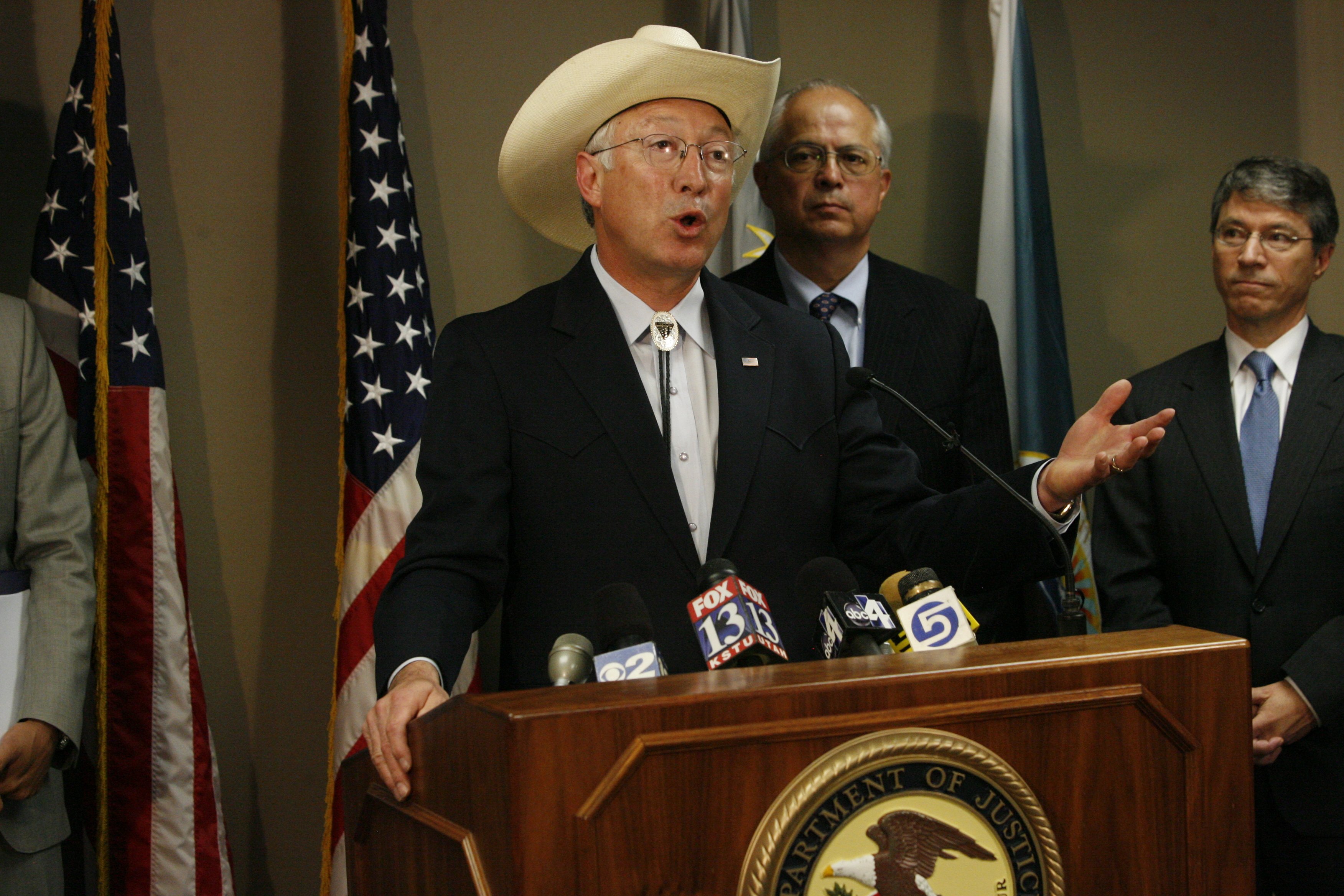
Interior Secretary Ken Salazar announced the arrests at a Salt Lake City news conference and said in a telephone interview that many of the stolen items, valued at $335,000, came from sacred burial sites. “The message that we’re sending is, we’re not going to tolerate this kind of activity,” Salazar said.
Federal indictments unsealed Wednesday accuse the people of stealing, receiving or trying to sell American Indian artifacts including bowls, stone pipes, sandals, arrowheads, jars, pendants and necklaces.
The arrests stemmed from a two-year undercover investigation into excavators and buyers of the pilfered artifacts in Utah, Colorado, Arizona and New Mexico. Federal authorities developed an antiquities dealer as a source who pointed them to several people profiting from trade in illegally-acquired artifacts, according to court records.
So-called “pothunting” for Native American treasures is a traditional pastime in many rural communities in the history-rich region. Archaeologists, Native American groups and preservationists have long argued the government has not been aggressive enough in stamping it out. Indeed, one of President George W. Bush’s final pardons was granted to the first Utah man convicted of stealing artifacts from public lands.
“State, local and federal officials have not been very forceful about this in the past,” said David Nimkin of the National Parks Conservation Association.
Other experts bemoaned the destruction of the historical record. “It’s like burning down the library before you have a chance to read the books in it,” said Barbara Pahl of the National Trust for Historic Preservation.
Pahl was in Blanding, Utah, last week – the isolated southeastern Utah town of 3,000 where most of those indicted Wednesday live – talking with city officials about how to persuade locals to refrain from disturbing ancient sites. She was dispirited at the scope of Wednesday’s indictment.
“It’s sort of a sad day,” Pahl said. “You feel like you’re losing the battle.”
The high desert of the Four Corners region was home to a flourishing Native American civilization centuries before European exploration. Traces of these inhabitants are found throughout the canyons and mesas of the Southwest, preserved by the arid air inside caves, on rock faces and in towering cliff houses.
Since the early 20th century, settlers have been encouraged to dig up arrowheads, pottery and other remains.
Today, federal authorities estimate 90 percent of the 20,000 archaeological sites outside town in San Juan County have been plundered.
The charges for violating the Archaeological Resources Protection Act carry maximum penalties of between one and 10 years in prison.