
Jim Armstrong: Spokane Conservation District

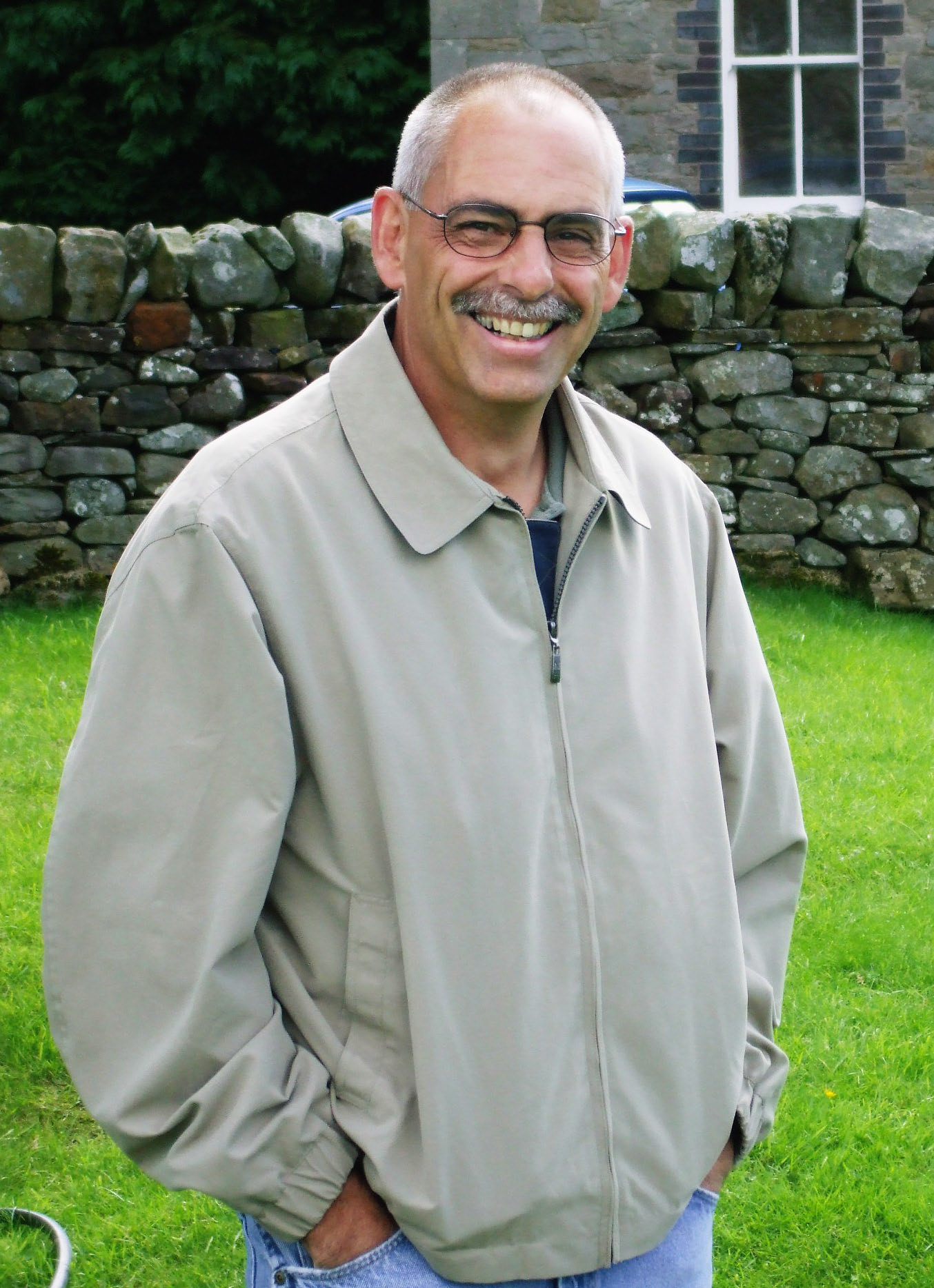
Chances are if you’ve seen the “BioBug”—a green 2002 Volkswagon Beetle powered by 100 percent biodiesel and owned by the Spokane County Conservation District — around town, you’ve probably seen Jim Armstrong behind the wheel.
Director of Communications and Special Projects for the SCCD, Armstrong has been a tireless advocate for biodiesel, as well as numerous other conservation efforts since joining the District in 1983. These include the WA Biodiversity Council, co-chair of the Farming and the Environment Stewardship Farm Committee, and chair of Spokane Agriculture Bureau’s Farm Forum
His desires to do more for the planet first took root at age 10. Growing up in the Spokane Valley, Armstrong fondly remembers spending a lot of time in the Dishman Hills natural area, including attending his first summer camp there at age 6 to working on trails while in high school.
He spent summers camping, swimming, and hiking with family at Sacheen Lake and visited all the western national parks. At one time, Armstrong planned to be a Ranger Naturalist at the Olympic National Park.
In the summer during college, Armstrong worked for the U.S. Forest Service in the Umatilla National Forest and then went to work for the Washington State Department of Natural Resources.
In 1983, when he began working for the Spokane County District, it seems he’d come full circle — back to the Dishman Hills and leading school groups on the same trails he had enjoyed as a child.
But it wasn’t the same Valley he remembered. The apple orchards and small truck farms, prevalent when he was growing up, were gone. The disappearance of this self-sustaining way of life in exchange for one of more housing developments and commercial lots had a profound effect on his views of the world.
What do you think is the biggest misconception about sustainable living?
That “doing without”— a lot of goods and services we’re used to — would make our lives more difficult. So maybe we won’t have gas guzzling SUVs or disposable diapers. Maybe instead of wasting water to irrigate millions of acres of lawns, we use it to irrigate vegetables we grow around our houses. Would that be such a bad thing? Would walking or using public transportation be so bad? I have visited cities like London and Dublin where small cars and walking rule. In my mind, those are positive steps toward sustainability and ones we cannot afford not to take.
What is one of the more challenging obstacles you face working for a conservation district?
Finding adequate funding to keep the doors open. I am proud to have been part of drafting the legislation that established the authority for special assessments to fund conservation district activities. The legislation passed in April 1989, and the Spokane District was the first among the 48 conservation districts in Washington to ask the County Commissioners to impose that special assessment on our behalf. Since then, our district has provided much needed services to natural resources and the people that rely on them. And we can hire and retain the highly qualified staff that makes our efforts successful.
How is the Bio-diesel Project going?
Starting in 2000, we began looking for alternative crops for area farmers to put into their rotation as part of their conservation plans. Looking at canola and mustard as high-residue crops in rotation with cereal grains was a good tool that would help reduce soil erosion. The challenge was to find oilseed crushers for the oil and meal and a market for those crops.
We started talking with farmers and farm cooperatives about establishing the infrastructure for an oilseed industry, as we didn’t have any processing facilities close enough to make growing them financially viable for the farmers.
Unfortunately, just as we had secured funding for a crusher and biodiesel production facility, commodity prices for wheat, barley, peas and lentils skyrocketed. In order to match those prices and get the farmers to grow oilseeds, the resulting oil would have been valued at over $6 per gallon.
The economics for oilseeds and biodiesel just don’t pencil out right now. We need to separate our alternative fuel feed stocks from our food stocks in order to make this work. Tough economic times are having an impact on alternative fuel usage.
Tell me about the Direct-seed Mentoring Project.
The project will start this spring with eight mentors and eight farmers. Funded by the Governor’s Ag Pilots Project, we have matched up “direct seeding” farmers with farmers that would like to. We will pay the mentors to use their equipment and seed 100 acres of ground for the direct-seeding farmer apprentices.
This method of farming uses equipment to place new crop seed and fertilizer in the ground in one pass, right through the residue from the previous crop. Farming like this will eliminate up to six trips over the same field. By not disturbing the soil, the farmers are preventing soil erosion while maintaining moisture and saving a lot of fuel and tractor time.
Where do you think Spokane will be in its conservation efforts in 10 years?
We may have a whole new set of challenges to deal with but I see progress in what we are doing now. I think our biggest challenge will be to provide sufficient food, fiber and clean water for our growing population. Hopefully we will be eating more locally grown food and supporting local agriculture. Expending the energy required for shipping food and other goods around the world is not sustainable.
What is the single most important thing anyone can do to protect/sustain their environment?
We need to stop fouling our own nest with our over-consumptive, throw-away lifestyles and understand how every action we take affects the natural systems of the world.