
Tipping Points
Save money, energy and sanity with green tricks of the trade

John Evans holds a lifelong fascination with home energy conservation that started in a physics class in 1976 at North Carolina State University in Raleigh.
His professor told him that if you had a cave, you could heat it with a match and cool it with an ice cube!
“None of us live in a cave, but it’s interesting how we still don’t really understand that the windows, doors and openings are where we lose all our energy,” says Evans, who now oversees operations at a food processing plant.
Indeed, homeowners who want a greener home should start by pursuing common sense tactics, such as auditing for energy-wasting air leaks.
There are dozens of other steps to take, 45, in fact. The U.S. Green Building Council published a handy guide known as “45 Ways to Green the Not-So-New House.” Agency spokeswoman Ashley Katz says it’s a practical guide for consumers who want to “green their home”.
The guide includes time-honored tips - such as opening window coverings to let the sun warm your home; but on hot days, closing window coverings on the south and west sides to keep your home cooler - and more modern ones. For instance, enabling your computer and monitor’s power management features so they go into sleep mode when idle could save you up to $75 each year.
At his own home, Evans insulated his garage door and placed a storm door on the back of the garage. He also purchased screens, with a vinyl insert, for the garage openings.
“I open the garage door when home in the winter and let the sun heat the garage. The heat rises up through the house to help heat,” he says.
More tips for homeowners:
- Use a heated mattress pad and down comforter on the bed. Turn the mattress pad on before getting in bed, then you can turn it off before you go to sleep. The bed is warm and the comforter maintains the temperature for the rest of the night, making it more comfortable to drop the thermostat to, perhaps, 60 degrees at night.
- Toss or upgrade extra freezers. Freezers and refrigerators that are more than 10 years old should be replaced with newer, more energy-efficient models. If you don’t need an extra freezer, unplug it. You could save $100 or more each year.
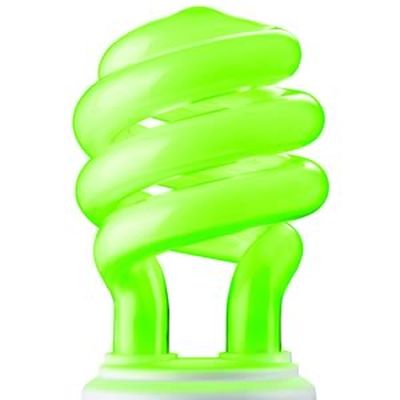
- Use compact fluorescent light bulbs. They now come in all shapes and sizes so they can virtually replace all the bulbs in your house (except any you have on a dimmer switch). These bulbs consume one-fourth of the electricity compared with standard bulbs and last up to five years.
- Wrap your water heater with insulation. Maximize the use of your water heater, which may consume about 20 percent of your electric bill. Wrap it with insulation. You can also set the thermostat at the lowest possible temperature that still makes it effective for washing dishes and taking showers. Put a timer on the water heater so that it only cycles to heat water twice per day for a total of four hours.
- Purchase insulating blinds. These blinds have air cells and provide additional R-4 insulation value on the windows. They also have a reflective back. Also buy insulating curtains, which help to decrease the temperature exchange.