
Spice up autumn with ginger
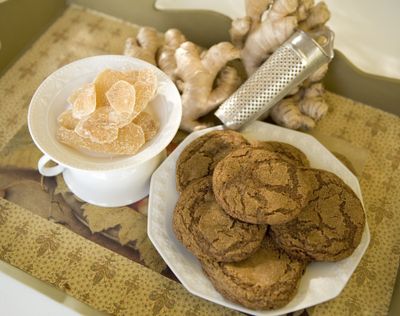
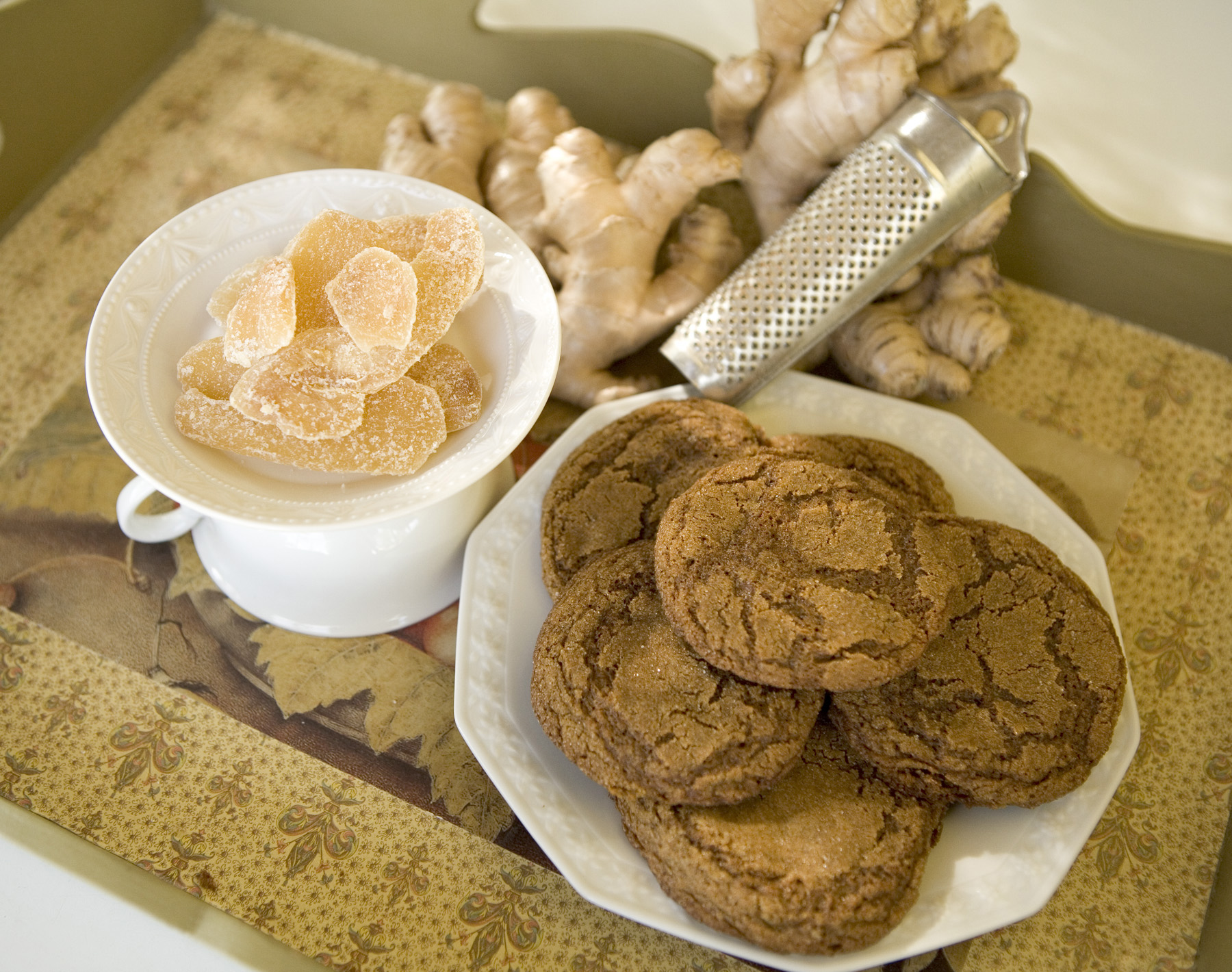
Most of us are accustomed to using a dash of powdered ginger in our pumpkin pies. The spicy scent fills the house with the aroma of autumn. But there’s a whole lot about ginger that we don’t know. It’s more than just a sandy-colored powder in a spice jar. Ginger is harvested from the underground root-like stem of the ginger plant, native to Southeast Asia. You’ve seen it, I bet. Ginger “roots” are those knobby brown things that you’ve passed in the produce section of the grocery store, wondering, “What on earth would I do with that?”
In Eastern cultures, ginger has been revered as a health stimulant for thousands of years. And, as with so many of nature’s medicines, modern scientists are just starting to confirm that ginger has great potential to heal. The benefits of ginger come from its oils, which also provide that pungent, spicy flavor. So, what can ginger do for you? Take a look.
Ginger’s many gifts
Ginger has a warming effect on the body, which not only makes for a cozy feeling but is also excellent for circulatory problems and can help knock out a fever to boot.
Several studies suggest that ginger may prevent colds, and, if you’re already ill, ginger may reduce symptoms and speed recovery.
Ginger helps regulate blood sugar both by stimulating pancreas cells and by lowering cholesterol and triglycerides in the blood.
Ginger is both an anti-inflammatory and an antioxidant, which boosts the immune system and naturally increases the body’s energy levels.
It has been widely used in Europe to help relieve menstrual cramps.
Ginger root has long been used to offer relief for morning sickness in pregnant women.
It has also been shown to relieve motion sickness better than over-the-counter medication.
How to buy it
Dried and powdered ginger is convenient, but fresh ginger offers the best flavor and contains higher levels of anti-inflammatory elements. When buying fresh ginger, avoid wrinkled skin, mold or soft spots. When peeled, the root should have a fresh, spicy scent. Fresh unpeeled ginger, tightly wrapped, can be refrigerated for up to three weeks and frozen for up to six months. Ginger is also available as crystallized (or candied) ginger. Crystallized ginger has been peeled, sliced, poached in sugar syrup and coated with sugar crystals. It has a sweet, spicy bite and is often used in desserts. It can also be nibbled on its own as a sweet snack. Dried ginger powder should be kept in a tightly sealed glass container in a cool, dark, dry place. If you store it in the refrigerator, it’ll last about one year.
How To Use It
Try a topping of freshly peeled and grated ginger over cooked vegetables, such as yams, carrots or collard greens. You might have to peel it with a knife since it’s so lumpy, but then a cheese grater or food processor will do a dandy job of shredding. Ginger is also excellent in soups and stews, and it’s super for seafood, since it neutralizes “fishy” odors.
Ginger tea is spicy and invigorating, and it’s easy to make. Simply peel a 2-inch piece of fresh ginger root and slice it thinly. Bring 4 cups of water to a boil in a saucepan. Once it’s boiling, add the ginger. Cover and reduce to a simmer for 15 to 20 minutes. Strain the tea. Add honey and lemon to taste. Serve hot or chilled.
And if your sweet tooth is tantalized by the notion of warm ginger-snappy molasses cookies this time of year, you’ll definitely want to try this recipe.
Fresh Ginger Crinkle Cookies
Makes about 30 cookies
2-1/4 cups organic white flour
1 teaspoon baking soda
1/2 teaspoon salt
2 tablespoons grated fresh ginger
3/4 cup organic butter, softened
1 cup organic sugar
1/4 cup molasses
1 egg
1 cup organic sugar for coating cookies
Combine flour, soda and salt in a large bowl. In a separate bowl, beat ginger, butter and 1 cup of sugar until light and fluffy. Beat in molasses and egg. Gently fold moist mixture into the flour mixture until well combined. Chill for 1 hour.
Preheat oven to 350 F. Roll dough into 1-1/2 inch balls, and then roll them in sugar to coat. Place cookie balls 3 inches apart on un-greased baking sheets, 6 per sheet.
Bake until edges start to brown, about 15 minutes. Centers will be slightly soft. Let stand on cookie sheets for a minute, then transfer to racks to cool completely.