
Learning the ins and outs of ‘Green Guilt’
Every individual can play a part

As if we needed anything else. Now, on top of everything else, we get to feel guilty about the fact that we’re not doing enough to save the planet.
This “green guilt” can be a dangerous thing.
During a recent trip to China, I gazed out the window as we drove through the countryside between the more modern cities.
The rural houses were all modern and looked comfortable. After a government upgrade in the late 1980s, most farmers were given new homes that resembled, oddly, French chateaus.
From my window I could see essentially the same house dotted again and again across the landscape.
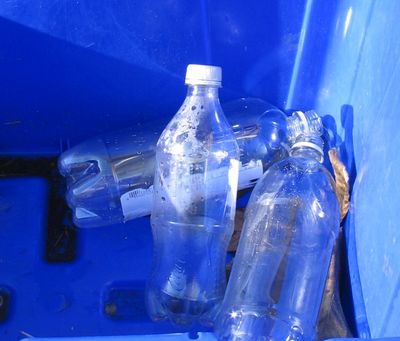
And, I began to notice that beside so many of those homes was a mountain of garbage. Obviously years worth of discards, and most of that refuse was plastic. Particularly water bottles and other plastic containers.
It was a discouraging sight. It was obvious there is no curb-side recycling in that part of the world.
But, more than that, it was obvious that recycling as a lifestyle choice was a foreign concept. So much waste, with no attempt to undo the potential damage done by each item.
I thought about the recycling bin under my sink at home. I thought about the times I’ve been in places that didn’t offer recycling and had to either throw away a recyclable item and feel bad about it, or pack it home with me. About the way I look at packaging at the grocery stores, debating which product is more responsible and which uses too much material.
In this country we are urged to think twice before buying plastic water bottles. Even in the corporate world, at meetings, seminars and conferences, less plastic is being offered and there has been a return to the pitcher of ice water and a biodegradable cup.
In other parts of the world, bottled water is a necessity but there is no widely practiced recycling option.
It’s hard not to feel that each step we take as individuals is being undone by entire continents.
I came back from China with a new appreciation for the power of the individual and the super-power of community. But, I’ll be honest. I came home a little discouraged by the drop-in-a-bucket efforts so many of us make, while other corners of the world don’t have the luxury of any kind of choice.
We all live on the same little blue planet.
Cheryl-Anne Millsap is a freelance writer living in Spokane. Her essays can be heard each Sunday on Spokane Public Radio and she is the author of “Home Planet: A Life in Four Seasons.” She can be reached at catmillsap@gmail.com