
There’s just something about squash
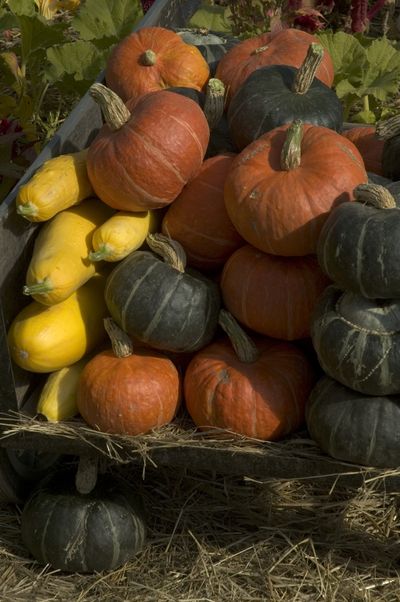
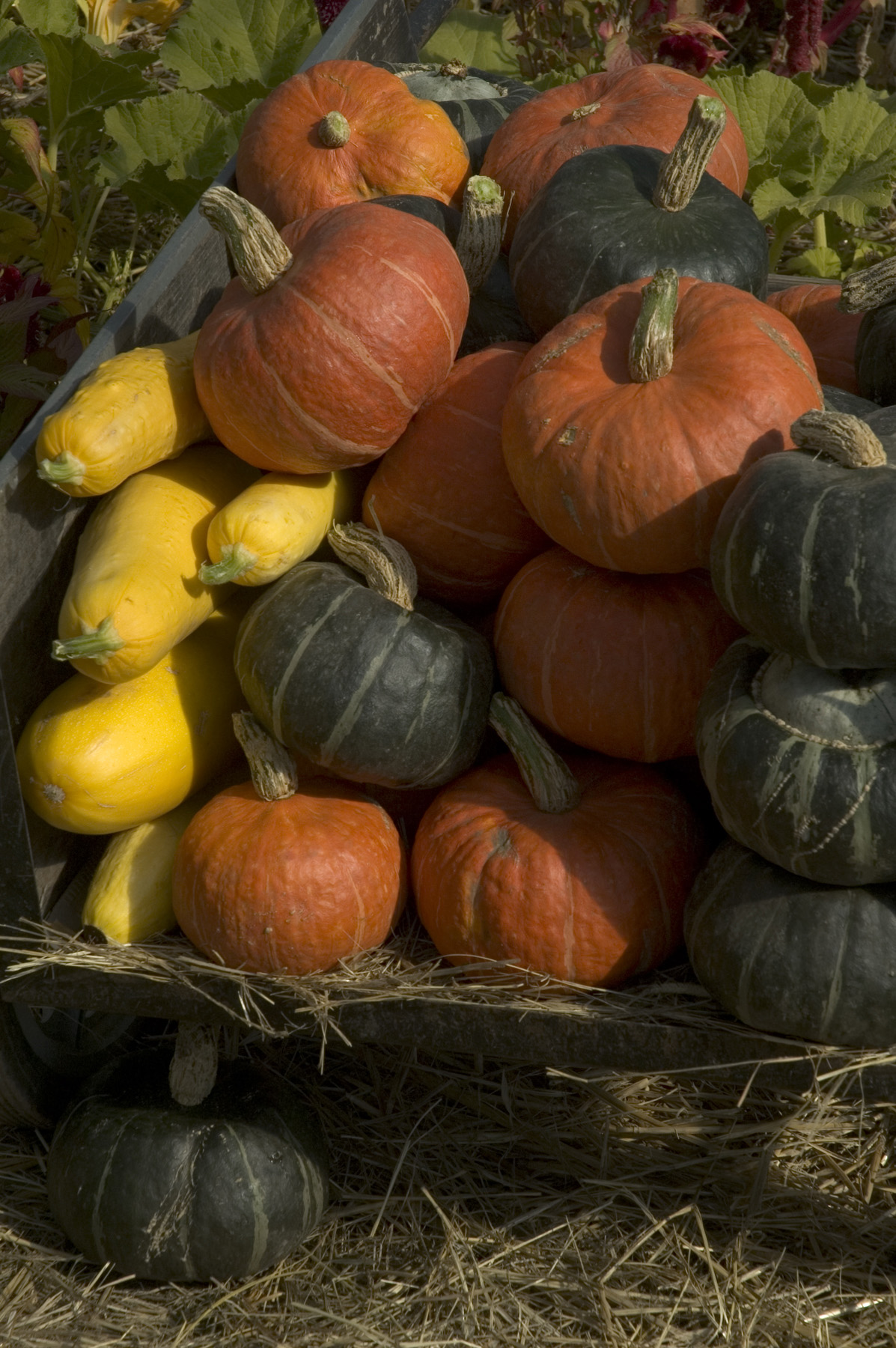
I don’t even need to look at the calendar; my senses tell me the seasons are shifting. The nights are cooler, afternoon shadows are growing longer, and there’s the slightest tinge of color to the trees. Autumn certainly gets me stirred up. I can’t help thinking of wood smoke, scarves, and yes, winter squash. It’s true! Summer has been full of succulent, grilled yellow crookneck and zucchini frittatas, but their time is through. Now my mind wanders to winter squash, which is a wholly different fruit. Just think of that soft amber sweetness hidden within that spectacular array of shapely skins — the stripy Sweet Dumplings, festive Carnivals, green and gold Acorns, beautiful Buttercups and fantastic Turbans. Have you seen a Turban squash? They are art forms, each and every one.
How to Harvest
Winter squash differs from summer squash in that it is harvested when it’s fully mature to achieve the most flavorful flesh possible. We know they’re ready when the fruits turn a deep, solid color and the skin hardens into a tough rind. This generally happens between September and October, before heavy frosts hit.
If you’re growing your own squash, keep a couple of things in mind at harvest time: leave 2 inches of stem attached to the fruit, and avoid damaging the rind. These precautions help prevent early decay. When buying squash, select ones that are firm and heavy with dull, hard rinds. Avoid those with soft spots, mold or other signs of decay. Look for local squash growers at your neighborhood farm market or at www.localharvest.org.
Storage Suggestions
Squash is a super winter-keeper, hence the name. To prolong its post-harvest potential, it should be kept in a dark, dry place (no more than 75 percent humidity) where the temperature holds steady between 50 and 55 F. Forget the fridge, though. Refrigeration is too humid for whole squash and will cause it to deteriorate quickly. For best results (if space allows), store squash in a single layer or row with space between each one to minimize the possibility of spreading rot.
Generally, you can expect your squash to stay fresh for about three months. Some of the large, thick-skinned varieties like the Hubbard may store for 6 months. But dainty types like the Acorn, Dumpling and Delicata will likely only last about 8 weeks.
Preparation Tips
The basic goal when cooking squash is to soften it (at which point a wide world of seasoning awaits). There are a couple of ways to do this. After washing, you can go ahead and cut it into chunks and scrape away seeds without removing the peel. Then you can boil, steam or pressure-cook the chunks until tender. But since the rind of many winter squashes are pretty hard to hack through, I find it much easier to just pierce a sharp knife into the rinds near the stem to create an escape hatch for steam while cooking. Then I bake my squash in a 350 F oven for about an hour, until a knife slips right through the skin. After allowing them to cool a bit, I halve the squash and easily scoop out the seeds and fibrous “strings” inside.
If you’d like to freeze meal-sized portions of squash for weekday preparation, simply cook it, cool it, then scrape out the flesh and divide into freezer containers.
Recipe Ideas
Mashed Maple Squash
You can’t go wrong with mashed squash. For a healthy alternative to run-of-the-mill mashed potatoes, just whip a bit of maple butter syrup, and cream into your cooked squash until it tastes just right.
Pumpkin Pie Cookies
Surprisingly, even the sweetness of Mashed Maple Squash can’t convince some kids to eat it. Until they mature into sensible squash lovers, you can “trick” them into eating this nutrient-rich food. How? Cookies. You can use any winter squash you like, but canned organic pumpkin makes it easy when you’re in a pinch.
2-1/2 cups flour
1 teaspoon nonaluminum baking powder
1 teaspoon baking soda
2 teaspoons ground cinnamon
1/2 teaspoon ground nutmeg
1/2 teaspoon allspice
1/2 teaspoon salt
1/2 cup softened butter
1-1/2 cups sugar
1 cup pumpkin or squash puree
1 egg
1 teaspoon vanilla extract
Preheat oven to 350 F. Combine flour, baking powder, baking soda, spices and salt; set aside. In a medium bowl, cream together the butter and sugar. Add pumpkin, egg and vanilla to butter mixture, and beat until creamy. Mix in dry ingredients. Drop on cookie sheet by tablespoonfuls. Bake 15 to 20 minutes.
And now, here’s a recipe that’ll knock the socks off of you grown-up squash lovers out there.
Sausage-Stuffed Turban Squash
1 big Turban squash
salt, to taste
1 cup wild rice, cooked
1 cup brown rice, cooked
1 pound pork sausage, sliced or ground
1/2 teaspoon crushed sage
1/2 teaspoon dried garlic
1/2 cup chopped pecans
Preheat oven to 375 F. Carefully cut out the Turban top and scoop out the seeds. Lightly salt the inside of the squash. Place squash, scooped side down, in a shallow baking dish. Bake until tender, about 1 hour. Meanwhile, cook the rice. In a skillet, combine sausage, sage and garlic. Cook until meat is brown. Drain and mix in rice and pecans. Turn your squash upright and fill with the sausage mixture. Bake 20 to 25 minutes longer and serve hot.