
Avoiding back to school toxins
Some alternatives exist to reduce risk of some supplies
Soon we’ll begin the annual late summer ritual of prowling store aisles with the school supply list in hand. It includes me again this year, with a daughter just entering high school. And I find that many parents have questions about which products are going to expose their child to the least toxic ingredients.
First an overall observation: “Safe” is a relative term. When I think about alternatives, I think in terms of “safer,” and over time — exercising our collective consumer clout — I hope that we will see more and more products that go farther toward the “safest” end of the spectrum.
If you are interested in low/no-tox products, you may often see reference to the seal of approval from the Art and Creative Materials Institute (ACMI-AP). While this seal certifies that the product has passed testing for dangerous amounts of toxins, be aware that the ACMI is an industry group.
Furthermore, ACMI does not make public its testing methodologies and so my colleagues at Ecology are unable to say what ‘non-toxic’ means in this case. Bottom line: There is no substitute for you being an educated consumer.
Here are some shopping hints for a few of the most common products:
Markers: Traditionally markers were made with strong solvents (big example: scented markers.) The solvents keep the pigment (color) in a form that will allow it to flow from the tip.
Art markers now come with water-based colors and are an excellent choice. However, white-board (dry-erase) markers are a different story. While there are many “low-odor” options available, these markers still require a solvent and they use one of the many forms of alcohol.
Teachers are increasingly asking students to use individual white boards instead of paper and while alcohol is “safer” than the earlier products, when they are being used by a roomful of students, the alcohol vapors can build up to unhealthy levels, especially for children with asthma or allergies.
In such situations, proper ventilation is a must and the safest option is crayons, although they take more work to clean up.
Adhesives: A fancy term for “glue”. Avoid rubber cement. Unless the label says otherwise, this product is made with strong solvents that give off harsh fumes. Glue sticks are safer, and white glue or library pastes are even safer still.
Vinyl: As you know, plastics are almost everywhere. However, there are certain plastics that you want to steer clear of if there is an alternative.
The plastic type about which there is the much concern is vinyl or PVC (polyvinyl chloride). Not only are highly toxic chemicals used to make vinyl but it continually releases chemicals that have been shown to be cancer-causing and developmental toxicants. Go with cardboard or cloth rather than plastic binders.
Try canvas as opposed to plastic pencil holders. Avoid notebooks with spiral bindings covered in plastic – and even those seemingly harmless paper clips covered in colored plastic.
Here are some other items where safer alternatives are recommended:
Rulers: Wood instead of plastic.
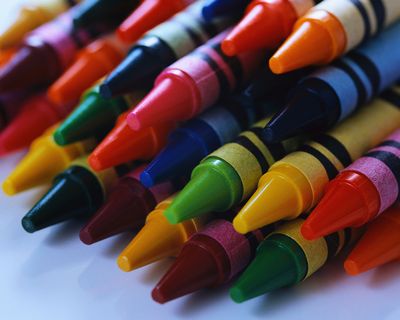
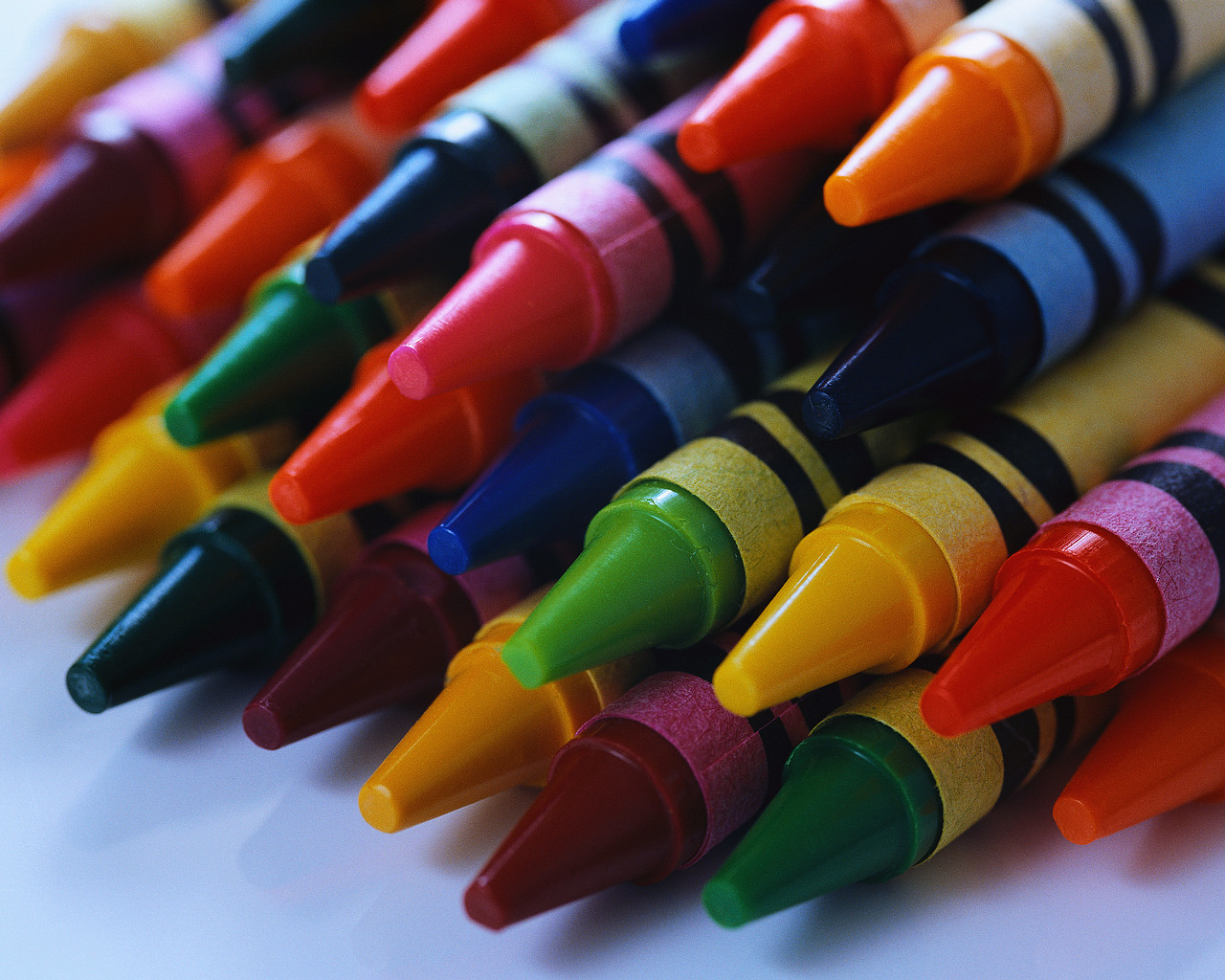
Crayons: No worries unless your child thinks of crayons as a snack. If so, switch to beeswax or soy-based varieties.
“Lead” pencils: Unpainted is a good start, but the core, the ferrule (metal ring) and the eraser are all potential sources of toxins. Read about the Pencil Makers Association certification: http://www.tntechcoatings.net/pdf/wima-brochure.pdf. Note: There is no lead metal in pencils. I use the name to contrast them from colored pencils.
Colored pencils: Look for products made with wax cores and vegetable dyes.
One last word: Labels. If the label contains words such as “warning” or “caution”, the product is not suitable for children.
Michael Bergman is Coordinator of the Toxic Free Tips Program for the Washington State Department of Ecology.