
Wasn’t easy sledding for Napier
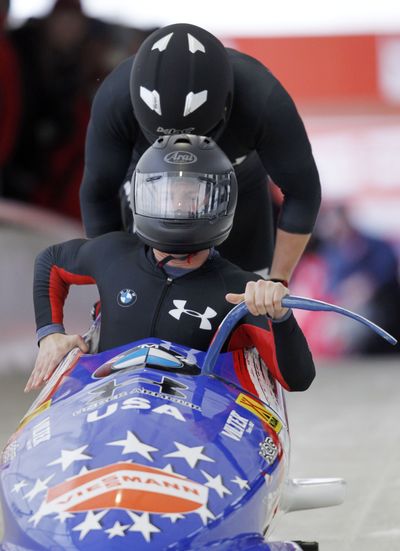
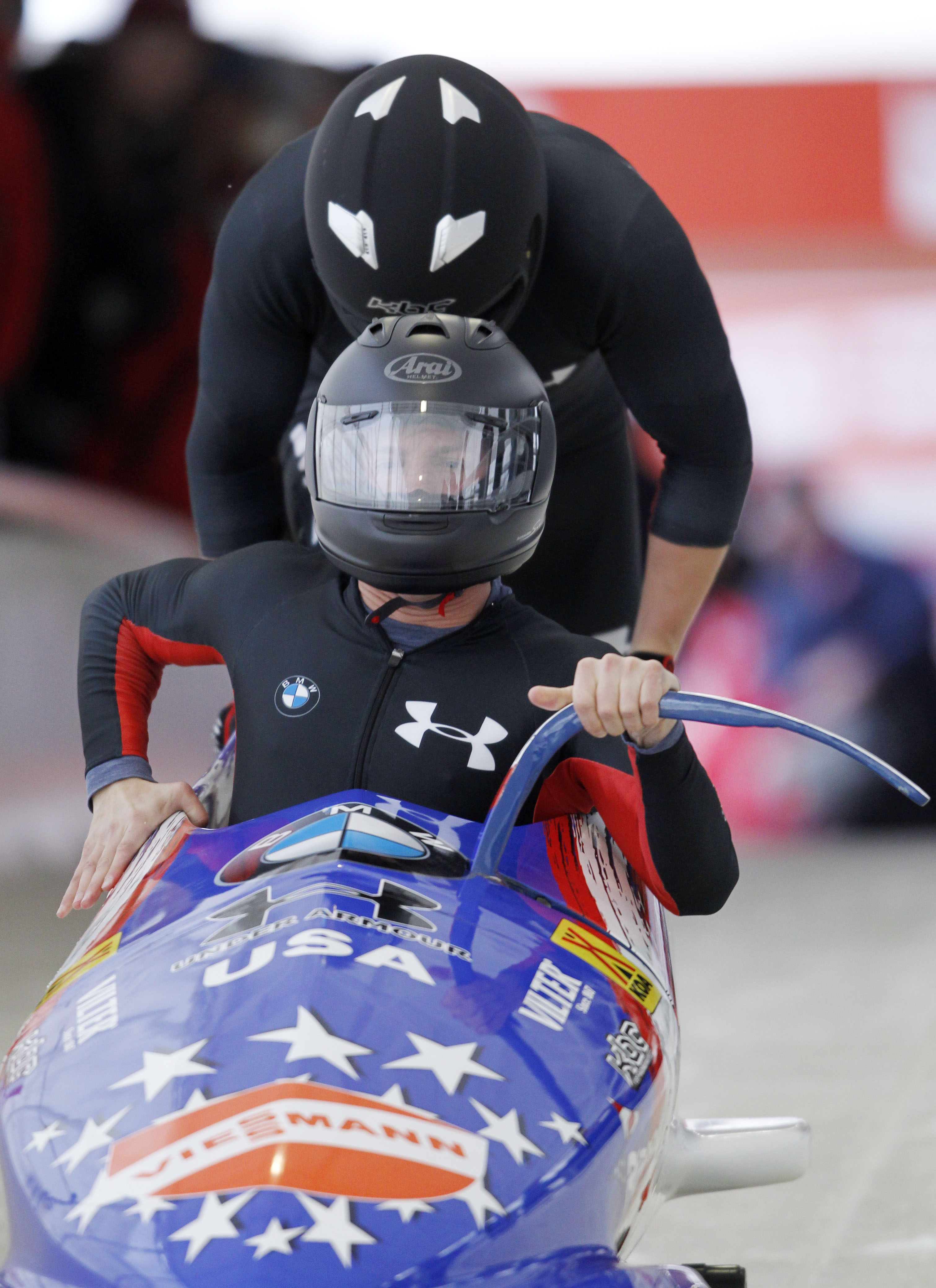
LAKE PLACID, N.Y. – With his black, skintight racing suit revealing a physique he wasn’t quite ready to put on display, John Napier paused under the blue Adirondack Mountain sky and dreamed about Christmas.
“I’m probably going to turn into a vegetative state and watch lots of cartoons and drink chocolate milk and eggnog,” Napier said when last weekend’s World Cup bobsled races on his home track at Mount Van Hoevenberg were finished.
Not exactly what one might expect from a world-class athlete. Then again, Napier is a notable exception.
Napier has been a member of the Army’s World Class Athlete Program, which provides Olympic athletes the financial backing they need to pursue their chosen sport. The program is billed as a way for soldier-athletes to reinforce a positive image of the military and also serve as role models.
Napier went above and beyond the call of duty. He figured at the ripe old age of 23 that it was time to grow up, so he volunteered for a tour of duty with the Vermont National Guard in Afghanistan and was deployed in June.
“Some of the only ways you can grow is to go through certain tough, rough circumstances in life,” said Napier, who happily celebrated birthday No. 24 two weeks ago. “Otherwise, you’re just kind of happy and enjoying life and it doesn’t motivate or push you to change as a person. Really, going over there was a me experiment, see what I could experience and what kind of perspective I could gain out of life.”
Napier was military-trained to be a plumber when he arrived at Bagram Airfield, home to about 40,000 soldiers about 25 miles from the capital of Kabul.
“They were going to give him a cushy little job,” said Napier’s first sergeant in Afghanistan Eric Duncan. “There was a huge gym there, chow halls that had even midnight rations, so he probably could have come back a lot heavier and a lot stronger.”
Napier wasn’t interested. He wanted to contribute as far forward as he could get, and the Army accommodated with an opportunity as a fire team leader in Duncan’s heavy weapons infantry company.
This was not a cushy job. Napier was transferred to a remote outpost in the Paktia province near the Pakistan border and had to tote an automatic weapon weighing more than 22 pounds when fully loaded with a 200-round magazine.
On his first day, he earned a combat badge when his platoon came under sustained enemy fire.
“Our base camps were at 7,000 (feet). We were fighting that day between 9,000 and 11,000 feet,” Duncan said. “It was a pretty good jaunt from what he was used to. But he came in and did the right things immediately. He kept his eyes open and his mouth shut and he learned quickly.
“John never asked once, ‘How can I make my life or my situation here better?’ He was always worried about the guy to his left or right.”
The 6-foot-4 Napier dropped about 30 pounds while serving. That wasn’t all that was noticeable when he arrived back home last month.
“I was kind of expecting him to be a little bit crazier and loud, and he was this composed man,” said Amanda Bird, who handles public relations for the USBSF. “I’m like, ‘You really grew up.’ ”
Napier confesses that he still has trouble sleeping, a normal result of being immersed in a war zone. He missed training on the Thursday before the Lake Placid World Cup races because he was too tired, but he knows the sleepless nights will eventually subside.
In his mind, it’s a small price to pay for what he accomplished.
“It really did give me some great perspective to where now I hope I can be a better leader for my team, a stronger leader, and when I do come back athletically a better champion and I hope more humble and more competitive in my mind frame,” he said. “I absolutely have noticed the change (in myself), and I like it.”