
Explore Energy-Efficient Window Coverings

The ultimate goal of homeowners may be to install new energy-efficient windows on their homes. However, the reality is that new windows can be a costly endeavor, one that’s not necessarily for affordable for homeowners who continue to tighten their purse strings in a struggling economy.
There are alternatives to installing new windows, including exploring options in energy-saving window coverings and draperies that can help prevent the exchange of air from inside and outside the home.
Because they can be considerably less expensive than replacement windows, energy-saving window coverings are a viable option for those looking to eliminate drafts or preventing summer’s heat from entering the home via windows that aren’t up to snuff. There are several different styles from which to choose that make good alternatives for homeowners.
Homeowners can convert traditional drapes into energy-saving options by making them fit more snugly. By securing the sides and the bottoms of the drapery to the walls with double-sided tape or Velcro(R), the curtains will contain the air that flows from the drafty window.
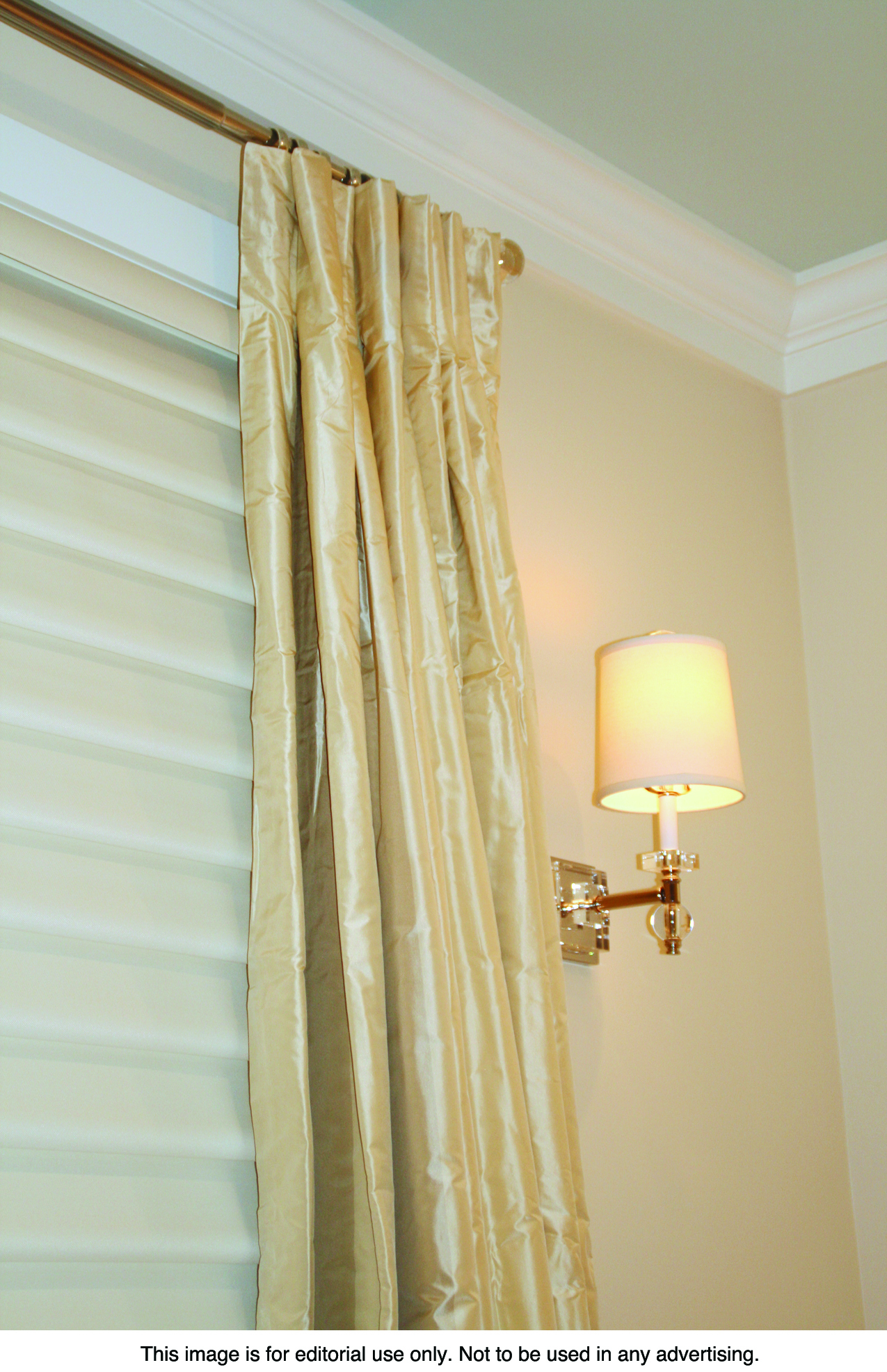
Options also abound for homeowners who prefer blinds or drapes that are energy-efficient. Honeycomb blinds are the new alternative to mini blinds or verticals. They are made from accordion pleated fabric that forms a honeycomb pattern when the blinds are lowered. The double-layer blinds insulate the windows and can prevent heat or cool air loss. Some accordion blinds are even rated for their efficiency.
Black-out drapes can do more than darken a room for those who want to sleep longer in the morning. These drapes can keep hot sunlight out during the summer months, which can lead to a cooler home and less money spent on air conditioning. The same drapes can block drafts in cooler months because of the thickness of this type of curtain.
Individuals who live in warm climates should select drapes and blinds that are light in color so they will reflect the sunlight and prevent rooms from overheating. Awnings or shrubbery placed by west- and south-facing windows can help block even the harshest of the sun’s rays.
There are also energy-saving window films that can be applied to insulate windows and/or reflect sunlight. An added barrier between the glass of the window and the interior of the home may be all that’s needed to make temperatures more comfortable.
Until drafty windows can be replaced, homeowners can rely on energy-saving window coverings to help alleviate drafts or loss of cool air inside of the home.