
PepsiCo’s sugary drinks make exit from schools
Move targets 200-plus countries

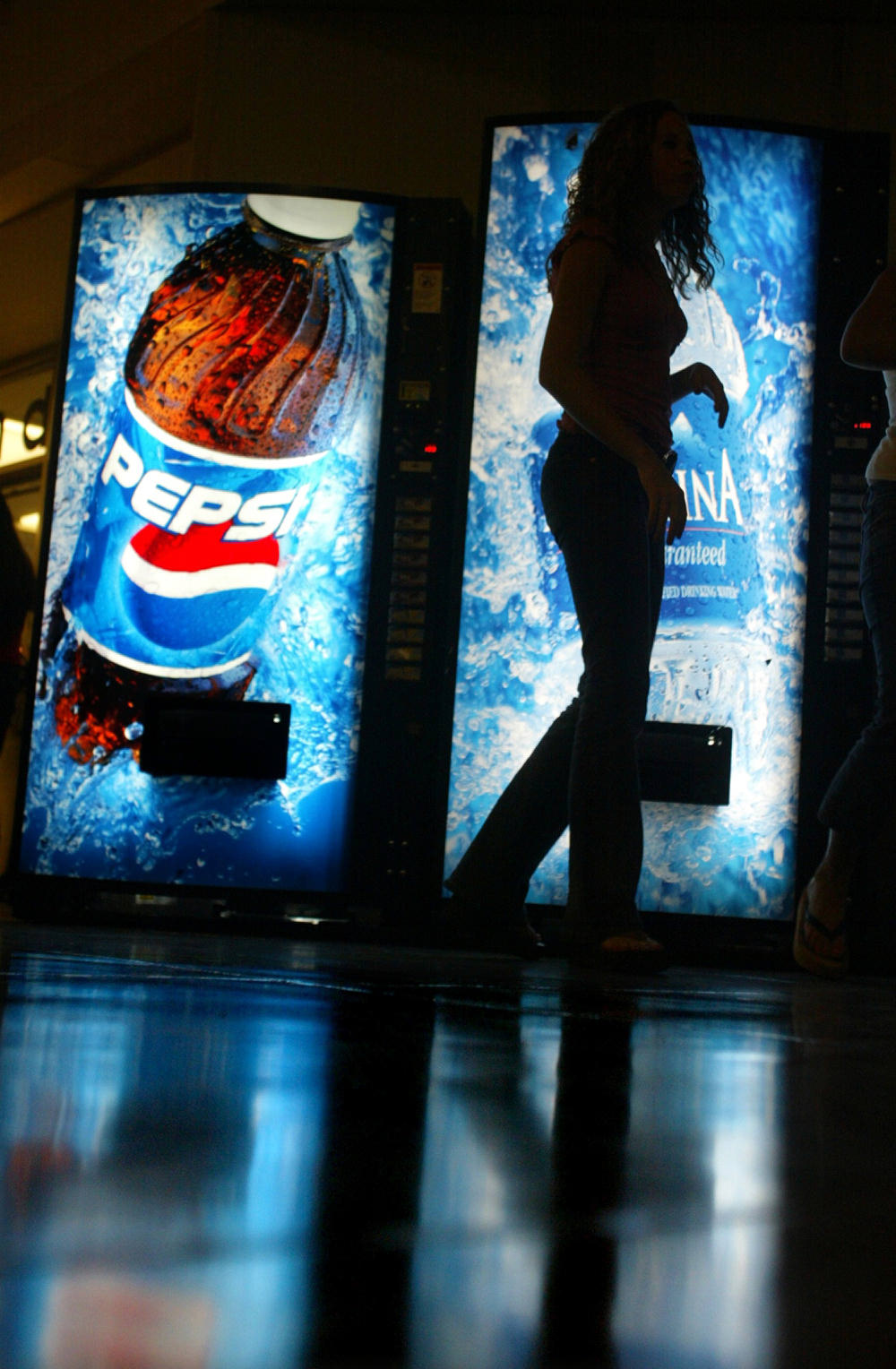
NEW YORK – PepsiCo plans to remove sugary drinks from schools worldwide, following the success of programs in the U.S. aimed at cutting down on childhood obesity.
The company said Tuesday it will remove full-calorie, sweetened drinks from schools in more than 200 countries by 2012, marking the first such move by a major soft drink producer.
Both PepsiCo Inc., the world’s second-biggest soft drink maker, and No. 1 player Coca-Cola Co. adopted guidelines to stop selling sugary drinks in U.S. schools in 2006.
The World Heart Federation has been negotiating with soft drink makers to have them remove sugary beverages from schools for the past year as it looks to fight a rise in childhood obesity, which can lead to diabetes, heart problems and other ailments.
PepsiCo’s move is what the group had been seeking because it affects students through age 18, said Pekka Puska, president of the group, a federation of heart associations from around the world. He said he hopes other companies feel pressured to make similar moves.
“It may be not so well known in the U.S. how intensive the marketing of soft drinks is in so many countries,” Puska said in an interview from Finland. He added that developing countries such as Mexico are particularly affected by this strong marketing.
Coca-Cola this month changed its global sales policy to say it won’t sell any of its drinks worldwide in primary schools unless parents or school districts ask. The policy does not apply to secondary schools. The World Heart Federation wants all drinks with added sugars removed from schools with children through age 18.
PepsiCo’s policy requires cooperation from its bottlers, vending companies and other distributors who take the company’s products to schools worldwide. The company said it did not have exact figures for sales in schools around the world but said they did not make up a major portion of sales.
In primary schools, PepsiCo will sell only water, fat-free or low-fat milk, and juice with no added sugar. In secondary schools, it will sell those drinks along with low-calorie soft drinks, such as Diet Pepsi. Sports drinks are permissible when they’re sold to students participating in sports or other physical activities.
In the U.S., the industry has swapped lower-calorie options into schools to replace sugary drinks. Sales of full-calorie soft drinks fell 95 percent in U.S. schools between fall 2004 and fall 2009, the American Beverage Association reported last week.