
Portland targets 30 percent reduction of garbage with food composting program
City joins Seattle, Spokane and other cities
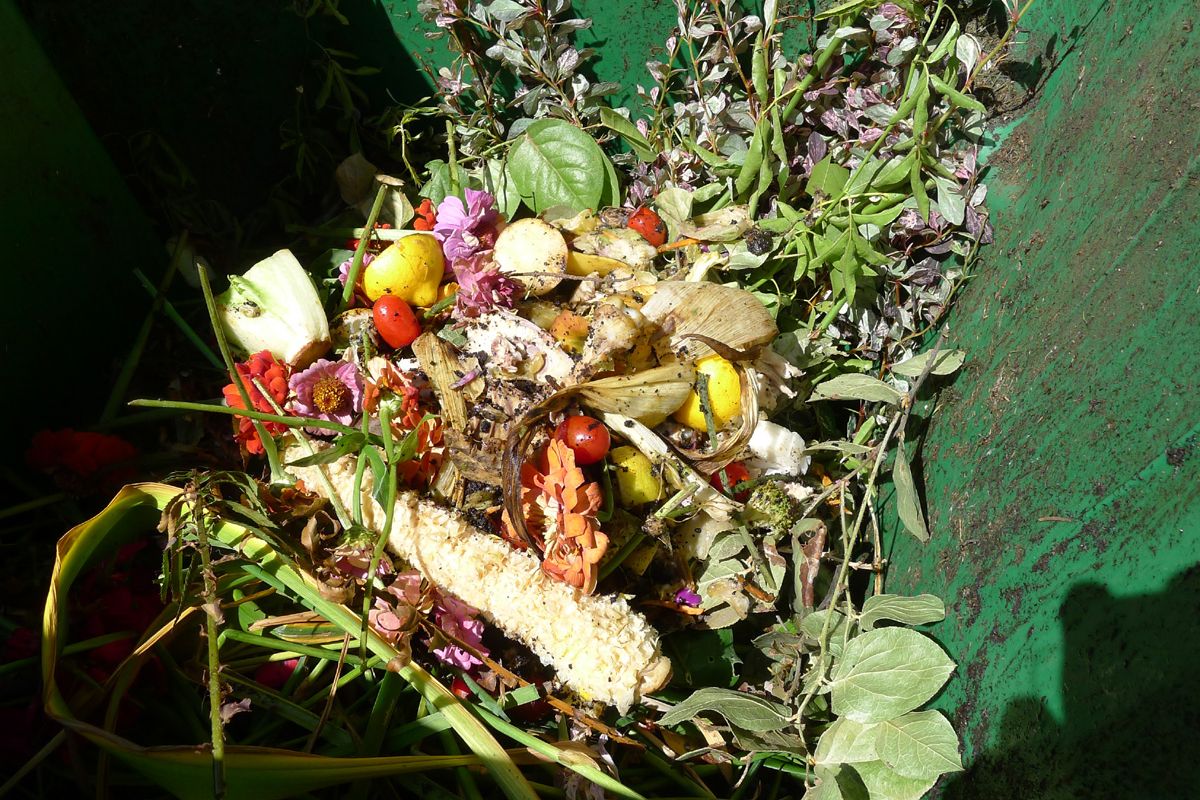
Portland’s City Council has approved a new program that integrates food scraps into solid waste pickup, with the hope of diverting up to 30 percent of residential garbage away from landfills.
The program follows a year-long pilot study of 2,000 households and launches the week of Oct. 31.
Normally ahead of the curve on green issues, the city with one of the best recycling rates in the country is a bit late to the food composting table, but the new program will align Portland with some 70 U.S. cities with composting programs, including San Francisco, Seattle, and Spokane.
“We were supposed to be food composting around 2001,” said Bruce Walker, solid waste and recycling manager at the city’s Bureau of Planning and Sustainability. “The problem was the facilities needed to process food waste did not materialize on the expected timeline. They just weren’t built and that put us behind.”
There is some concern the 30 percent target may overly optimistic. The number requires a high percentage of households to participate and only about half of pilot study households took full advantage of the program.
“Change always presents challenges,” Walker said. “We believe the pilot study results can be overcome through education and awareness. We are hiring additional staff and gearing up answer questions and increase the program’s visibility in various ways.”
Walker credits San Francisco with getting the idea of food composting off the ground. The city, along with other Bay Area communities, has been composting food waste for many years.
Despite its lack of access to nearby processing facilities, Portland launched an optional food composting program for restaurants and other food-based businesses in 2006. Collected food waste was processed by facilities in the Seattle area.
“Shipping food waste to facilities outsides the area was not an ideal situation,” Walker said. “But even with the transportation factor, there was and is a benefit in terms of greenhouse gas reduction.”
Walker was referring to evidence that food scraps, food-soiled paper and yard trimmings contribute substantially to landfill waste. Since decomposing food waste is a major source of methane, a greenhouse gas, removing food waste significantly reduces the climate change impact of landfills.
Other factors play into the food composting equation, as well. Landfill space is getting more expensive in some areas. Even places where landfill space is cheap benefit by the fact that the product of food composting is a valuable commodity that can be reused and resold, as fertilizer. Officials expect the nursery and agricultural industries to be primary customers.
Under the new program, city residents will place food waste in their yard debris bins. Items like coffee grounds, bones, rotten vegetables, leftover meat and even discarded pizza boxes will go into the green carts now used only for yard waste. Yard debris bins will be picked up every week, as opposed to the every-other-week schedule currently in place.
A possible downside is that regular garbage collection will switch to every other week. The city hopes residents won’t need weekly garbage pickup once they get acclimated to the food composting initiative. However, some residents have complained that the change may result in pest problems and stench.
“Things aren’t changing all that much,” Walker said. “Today, residents include food waste in their garbage, which is picked up once a week. Once the food composting program is launched, food waste will be included in the yard debris bin, which will be picked up every week. If people take advantage of the program, there won’t be food waste in the garbage can to attract pests or stink.”
It’s also true that every-other-week garbage collection has been a fact of life in many cities. Walker cited the examples of Olympia and Renton. “The garbage collection issue has been overcome in other cities and I think we’ll be fine once residents get acclimated.”
Portland has no plans to follow the example of San Francisco, which fines residents who dump food waste in the garbage. Portland’s program will be fully voluntary. There will be no compost police and no fines for those who choose not to participate.
Food composting will get under way with the delivery of two-gallon food-scrap collection bins. The city’s contracted solid waste haulers will be distributing the bins to residents between now and the Halloween launch of the program. Residents will use the small bins to collect food scraps in the kitchen, and then empty the contents into yard debris bins for curbside pickup.
Food compost will be processed at several facilities in the Portland area. Garbage collection rates are expected to remain the same for most customers.