
Recycling your whole home
Renovation, demolition products can include stops at salvage centers
Recycling efforts in the Inland Northwest have improved from where they were 10 years ago.
Receptacles are more prevalent in schools, parks, and grocery stores; all we have to do is drop in cans, bottles or plastic shopping bags, and others do the rest.
But what about those old windows you just replaced with new energy-efficient models, or the ancient bathtub you finally decided to give the boot to? Neither of these would fit so well in a curbside recycling bin.
Unfortunately, during renovation and construction projects, the urge to get rid of these types of items as quickly as possible, and focus on the project at hand, can overshadow any thought to how and where they could or should be recycled.
Whether it’s repurposing them into something new (such as using old windows to build a greenhouse), taking them to a salvage yard where you can possibly make a little pocket money, or donating them to a worthy cause, it’s a great feeling to know you’ve chosen not to contribute to the waste stream.
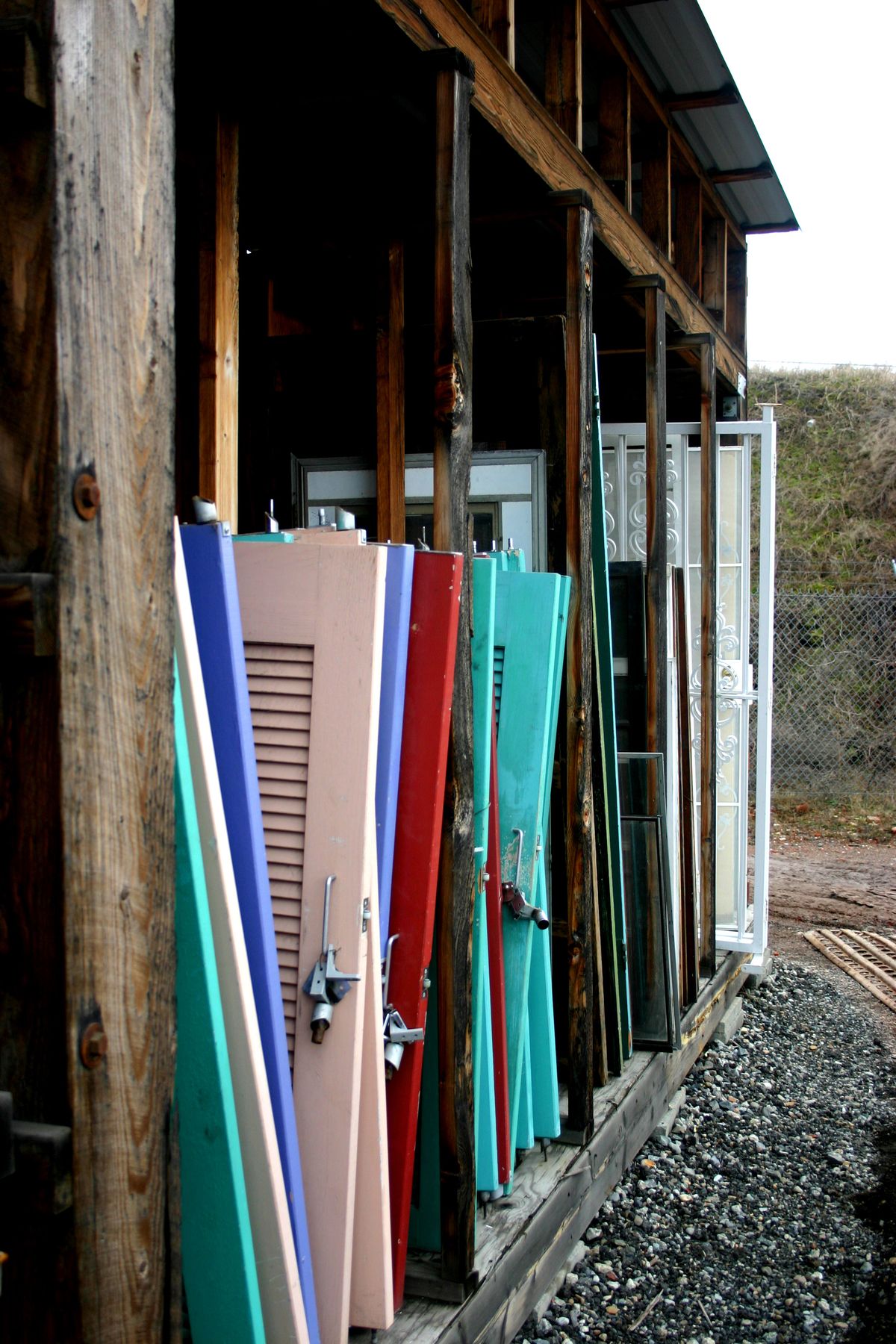
Salvage yards like Brown Building Materials and The Habitat Stores, both in Spokane, recycle everything from nuts and bolts to used toilets to chain link fencing. Although the locations do have restrictions on what they’ll accept, including if the items can generate a profit, the list of what they can take is a long one.
“Some unique things we’ve taken in are basketball backboards, lockers, fire escapes, and an antique vault door and frame,” said Ron Brown, owner of Brown Building Materials. “The more typical items include clawfoot bathtubs, radiators, hardware, bricks, cabinets, tiles, thousands of doors, windows, and scrap pieces of metal.”
This list goes on to include a whole lot more available at Brown’s 3-acre lot between Trent and Hamilton. Brown, whose business is going on 50 years, knows well how your trash can become someone else’s treasure, and he’s willing to pay you for it.
“The best thing to do is call first.” said Brown, “It all depends on the condition, the amount of inventory we already have of that item, and market value.”
Brown won’t take aluminum windows, steel or cast iron built-in tubs, shower doors, small pieces of glass, carpet or appliances.
The Habitat Stores, in downtown Spokane and on East Sprague, accept similar inventory as Brown’s, in addition to taking working appliances that are less than 10 years old. The non-profit store operates on a donation-only basis, which enables the store staff to contribute the majority of proceeds to Habitat for Humanity-Spokane—an organization that works to eliminate poverty by building affordable homes for low-income qualified families.
“When people donate to our store, they’re helping to make a difference in other peoples’ lives,” says Michone Preston, executive director. “Since the Habitat Stores’ inception in 1999, they’ve created 30 homeownership opportunities, and countless hours of volunteerism and on-the-job training, as well as eliminated countless tons of products from the waste stream.”
Putting more thought into the impact of the debris you create can also save money. It may be easier to throw it all in a trailer and head to the landfill or transfer station, but remember you pay depending on your load’s weight in some places. Instead, be mindful in setting aside possible items, load them up last and make a stop at a salvage yard first.
Depending on your project’s size —whether you’re simply replacing a door or renovating an entire area of your home—deconstructing your home mindfully instead of a total demolition can avoid disposal costs and conserve landfill space. This process can also usually leave more vegetation intact, thus creating less runoff.
Larger de-construction jobs also have the potential to create jobs, especially if they are managed by a licensed contractor with an understanding of residential construction, hazardous material identification, and current existing markets for used building materials.
According to the National Association of Home Builders report, “Deconstruction: Building Disassembly and Material Salvage,” if 25 percent of the buildings demolished every year were deconstructed, approximately 20 million tons of debris could be diverted from landfills.
Old windows, doors, doorknobs, moldings, light fixtures, countertops, and cabinets are just a few items that, with a little creativity and elbow grease, can be put to use in other areas of your home.
Here are other ideas:
Window Grate
Turn it into a pot rack above your stove or for use in your potting shed.
Windows/Screens
Create a multi-picture frame. Build a cold frame or greenhouse to extend your planting season. Repurpose into a privacy screen by hanging it from a header on a porch.
Screen Doors
Use in place of a garden gate. Reinstall in a different location of your home such as a potting shed or out building.
Wooden Doors
Create a one-of-a-kind table or desk. Place on two large columns, or other legs from salvage, smooth edges with sandpaper, and place a piece of specially-ordered glass on top. Fashion a unique wall-mounted headboard from one or more doors placed either horizontally or vertically.
Attach two or more together for a hinged folding screen. Use as a decorative panel for the front of a breakfast bar.
Doorknobs
Mount one or more on a piece of molding for a great place to hang coats, keys and other items.
Light Fixtures
Turn light sconces upside down and use as interesting bowls or candle holders/sconces.