
Modern home heating options can save energy, cash
The temperature drop each fall triggers uneasy thoughts in many of us about increasing power bills due to aging and inefficient heating systems.
With the slow economy and tighter budgets, there’s even more incentive to break out last year’s heating bills and calculate exactly how much to expect to spend to stay warm in the coming year.
You may discover that making an investment in your home heating future with one of many home heating upgrades could save significant cash over the long haul and also make a contribution towards energy conservation.
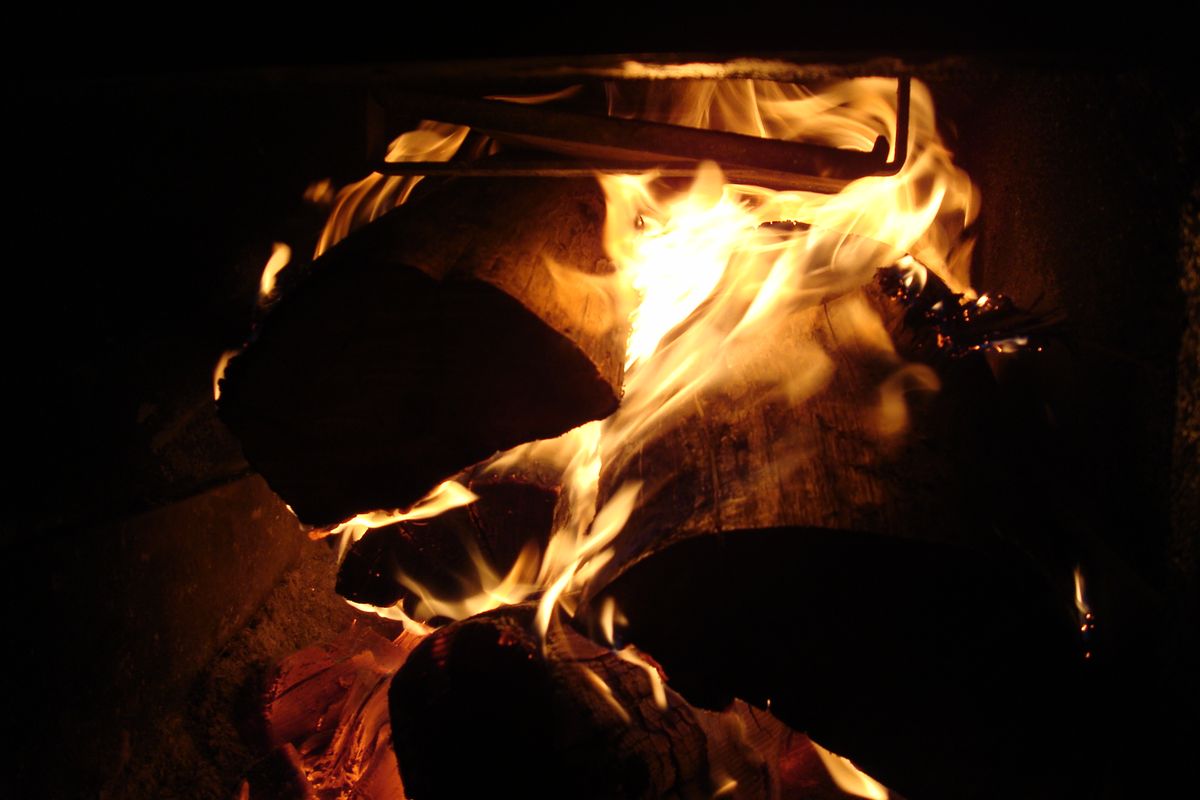
The most obvious heating solution for many in the Northwest is the traditional wood stove.
Fortunately, technology and efficiency have progressed beyond the drafty, inefficient stoves of the past.
Wood burning also holds more appeal these days for those interested in more sustainable alternatives to inefficient set-ups like electric baseboard heaters or oil furnaces.
One of the first things to consider when looking into a new stove is a game plan for bringing in the firewood. Whether you find a local source, cut your own or track down a local supplier of quality seasoned and split firewood, the next step is to choose a stove that meets your particular home heating needs.
Several local shops offer top-of-the-line wood stove and fireplace technologies for a much more reasonable and environmentally efficient option. John Hoffman, owner of RDI Heating and Cooling in Coeur d’Alene, said that fueling your heat system with a renewable, local resource like trees is a lot more sustainable than relying on distant, non-renewable fuel sources.
RDI offers seven brands of efficient wood stoves and can order other stoves from 12 different manufacturers. Hoffman said their stoves come with a green stamp from the Environmental Protection Agency and are capable of cranking out more heat for your dollar without all the smoke choking stigma of older, more polluting stoves.
For some, the thought of maintaining the constant vigilance keeping wood stoves well-fed may seem like more of a hassle than it’s worth.
While more pricy than a wood stove, Tulikivi masonry heated fireplaces can be another option for bringing the warm glow of a fire home without endlessly feeding the flame. Tulikivi sells beautiful and easily maintained soapstone fireplaces that according to local dealer Meri Berberet only need to burn for around three hours a day to heat your home for an entire day or longer.
These highly efficient fireplaces work by generating enough heat in a couple hour-long blast to heat up the soapstone construction (everything but the door and grill are constructed with heat absorbing and radiating soapstone from Finland). Instead of losing the remaining heat up the chimney, the soapstone slowly releases warmth back into your home over 24 to 48 hours.
Tulikivi fireplaces are also considerably more clean-burning than other wood heat options.
“Because you only burn for a few hours a day, it cuts down on emissions,” said Berberet. “Tulikivi fireplaces are also designed to generate lower CO and particle emissions, which makes an already clean burning product even more so,”
If the thought of fetching wood and feeding a fire regularly doesn’t quite fit your lifestyle, consider transitioning to a ductless heat pump system.
It may be new technology for many Americans but heat pumps are the standard heating solution for the vast majority of households around the planet.
“While we’ve put all our time and energy into making our current heating systems more efficient, everyone else has been moving to new heat pump technology,” said Hoffman.
Trying to make sense out of the technology that allows heat pump systems to pump warm air from the cold outdoors into your home can quickly make most peoples’ eyes glaze over, Hoffman said the stats on savings in heating cost and energy use are an immediate attention grabber for most folks.
“Ductless heat pumps are one of the most efficient ways to heat your home,” said Hoffman.
While the initial investment can be significant, Hoffman said that after about three years, people who replace their baseboard heaters with a heat pump system can pay for the upgrade and begin seeing considerable savings.
Another heat pump option RDI and other local dealers like R&R Heating and Air Conditioning carry that utilizes natural heating and cooling resources from the ground is a geo-thermal or geo-exchange system. While these systems are expensive, they are one of the most efficient heating and cooling systems available.
“They pay for themselves in savings in about three or four years and also qualify for a federal tax credit of 33 percent and other incentives from local power companies,” said Hoffman.
RDI Heating and Cooling lists several options for utility company rebates and federal and state tax deduction opportunities at www.rdiheating.com.
Other heating shops can also tell you about various rebates and credits, which can help make an upgrade to a more sustainable and efficient heating system more affordable.
Some heating system dealers and banks may also be able to help with financing for energy upgrades.
For more information on burning related topics, visit Spokane Regional Clean Air Agency at www.spokanecleanair.org. Tulikivi products can be found at www.warmstone.com.