
Spokane Clean Air encourages people to be mindful of gas emissions
Activity in upcoming heat could create smog conditions
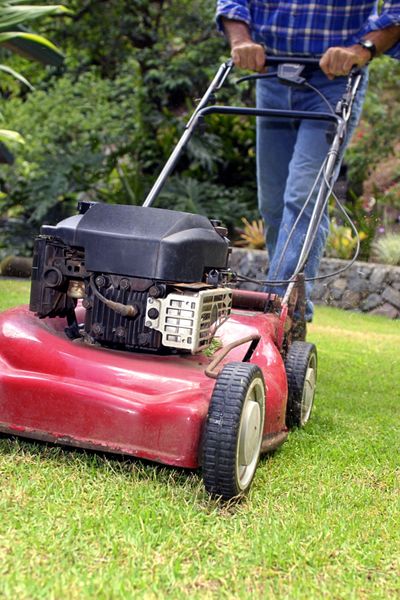
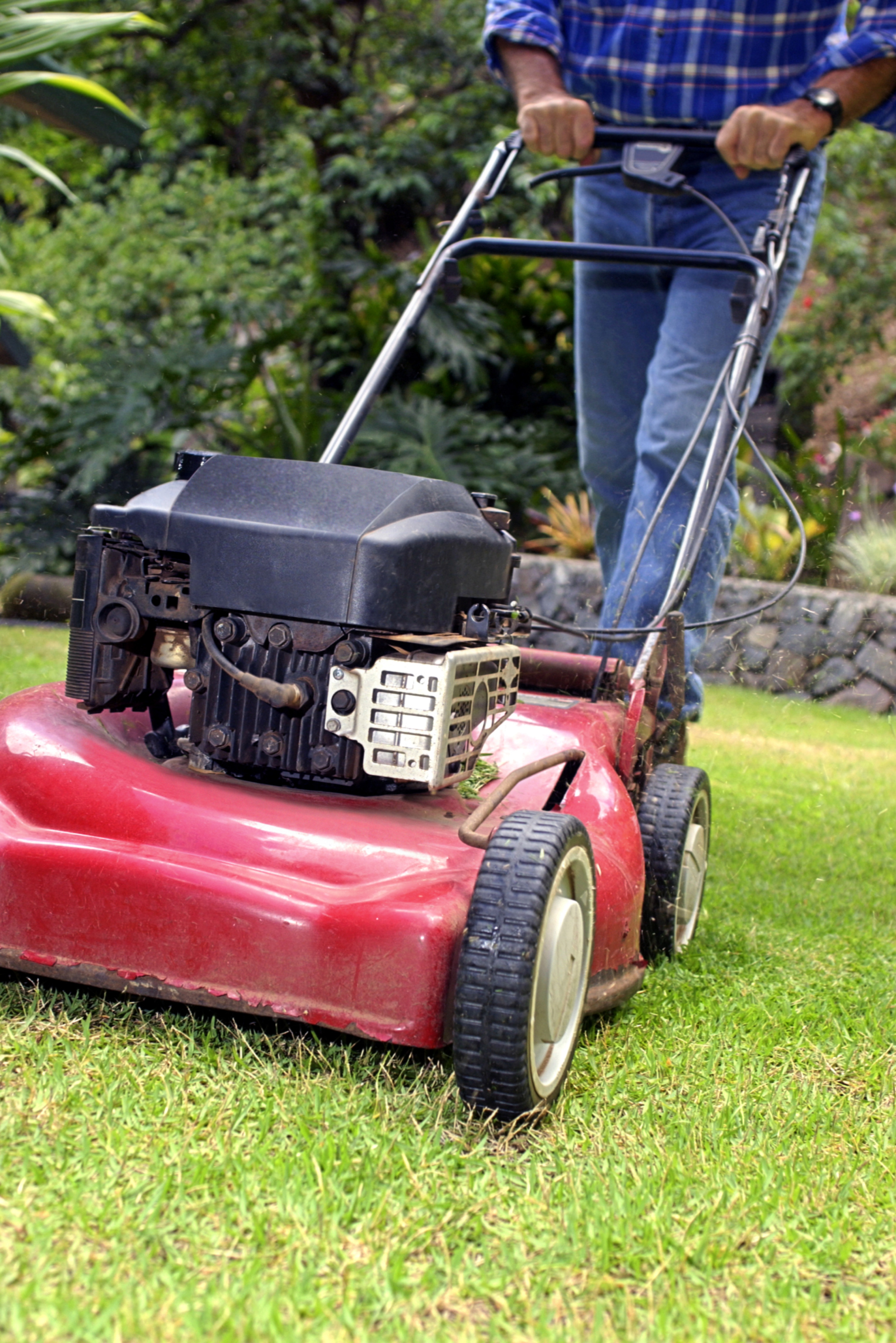
Summer ozone season is here and the Spokane Regional Clean Air Agency encourages area residents to be aware of summer air quality and to do their part to cut back on gasoline-powered activities, including yard work and car trips, when temperatures reach into the 90s.
The hot and sunny days of summer contribute to the formation of ground-level ozone, a harmful air pollutant and a key ingredient in smog. Ozone is formed when nitrogen oxides and volatile organic compounds (VOCs) react in the presence of sunlight.
Pollutants from our daily activities-such as refueling and driving cars, operating small gasoline-powered engines, and using industrial and household solvents-“cook” in the sunshine and hot temperatures, forming ozone. Ozone concentrations typically peak on calm, 90-plus degree days.
Spokane Clean Air is encouraging everyone to reduce emissions that contribute to the formation of ozone pollution, especially on days when temperatures are predicted to reach into the 90 degrees.
Ideas include:
• Reduce car trips by combining errands.
• Walk, bike, carpool or ride the bus to work.
• Purchase products and paints with a zero or low VOC content.
• Refuel your car until evening when possible.
• Avoid overfilling your vehicle’s gas tank or “topping off” your tank. Stopping at the first “click” reduces spills and reduces the amount of gas vapors that escape out of your tank and into the air. Also, replace the gas cap tightly.
• Avoid using small gasoline-powered engines, such as lawn mowers and tractors, chain saws, power washers, air compressors, weed whackers, leaf blowers, etc.
• Keep tires inflated properly. When your tires are inflated correctly, your car drives more efficiently which improves your gas mileage and reduces the pollution entering the air.
• Store gasoline and other solvents in tightly closed containers in dark, cool places.
• Avoid using lighter fluid to start your charcoal barbecue. Lighter fluid has high VOC (Volatile Organic Compounds) content.
Spokane Clean Air provides a 2-day air quality forecast online at SpokaneCleanAir.org. For current air quality data, click on the “Current Air Quality” icon on the top of the homepage. Interested citizens can also sign-up online to receive personalized emails of air quality conditions or download a smart phone application.
Ozone is a health concern and in May 2008, the U.S. Environmental Protection Agency (EPA) strengthened the standard to be more protective of public health. The current standard is 0.075 parts per million (ppm), averaged over 8 hours. Click here to view an ozone trends chart for Spokane.
Ozone levels rise throughout the day and typically peak around 5-6 p.m. When inhaled, ozone can cause coughing, throat irritation, and pain when taking a deep breath. It can also reduce lung function, inflame the lining of the lungs, and even trigger asthma attacks.
Repeated inflammation over time may permanently scar lung tissue. Your chances of being affected by air pollution increase the longer you are active outdoors or the more strenuous the activity. Kids and teens who are active outdoors-especially those with asthma or other respiratory problems- are particularly sensitive.
When ozone levels are forecast to reach unhealthy for sensitive groups category on the Air Quality Index, Spokane Clean Air will issue precautionary health warnings, such as recommending those with existing health condition to avoid outdoor strenuous activities.
For more information about ozone pollution please visit www.spokanecleanair.org or call (509) 477-4727.