
Spokane Clean Air offers rebates on woodstove upgrades

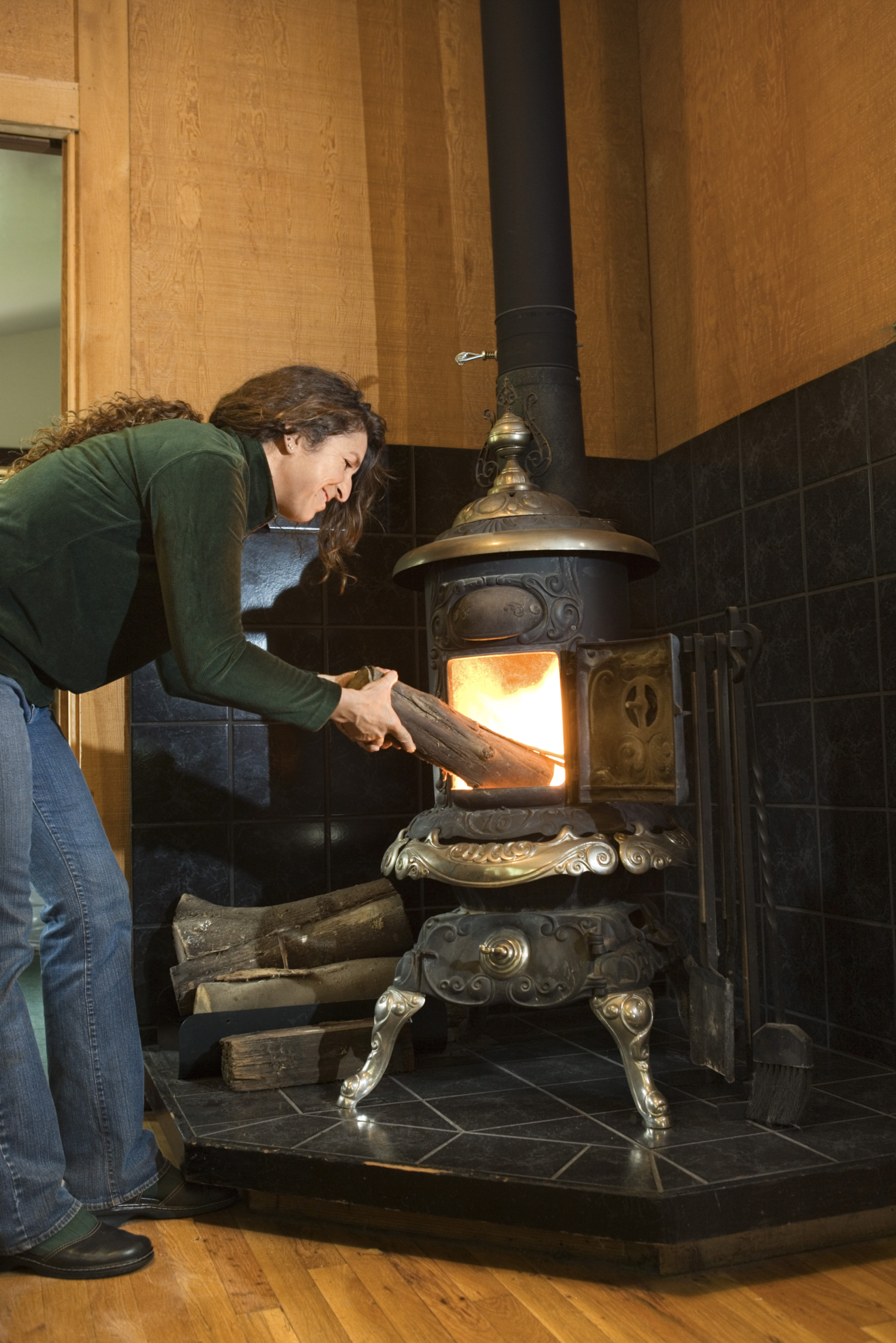
Although it’s hard to think about generating more heat in your home this time of year, it’s a perfect time to plan ahead for a safer, healthier and more energy-efficient home this winter.
Spokane Regional Clean Air Agency, funded by a grant from the Washington State Department of Ecology, has been helping Spokane residents get rid of their non-EPA certified or pre-1995 wood stoves since January.
In exchange, participants receive a $500-$1,000 voucher toward the purchase of a new heating device; income-qualified residents can receive a voucher for the full purchase value of a new device.
“If you’ve been thinking about upgrading your old wood stove, now is the time to do it. Upgrading has many benefits, including healthier air outdoors and indoors,” said Lisa Woodard, public information officer for Spokane Clean Air.
The use of EPA-certified wood stoves and wood burning fireplace inserts, combined with proper operation, can decrease the level of polluting emissions by up to 85 percent.
“Smoke from wood heating is the chief source of particle pollution in Spokane during winter,” she said. “These change-outs will result in cleaner air in our neighborhood. When the program is completed, about six tons of microscopic particle pollution will be prevented from being emitted each year. Smoke particles contain various chemical substances which are harmful to everyone’s health, particularly children, elderly and those with heart and lung conditions.”
Old wood stoves are also inefficient and costly to operate. Their inability to achieve the high combustion temperatures necessary to burn the particulates and ignite gases, which are half of your wood’s fuel capacity, result not only in these toxins being released into the air, but draining your heating budget.
For either program, recipients of the vouchers must live in the designated Spokane County “Smoke Control Zone,” which represents the concentrated residential and commercial areas where air stagnations and elevated pollution levels require the most attention.
Wood stoves eligible for replacement may be either free-standing or inserts, and must be used regularly as a home’s heating device.
Residents don’t necessarily need to opt for another more-efficient wood stove; they can choose between a pellet or gas device or even an electric “mini-split” ductless heat pump, which also provides the benefit of home air conditioning. Voucher amounts vary depending on the chosen heating apparatus replacement.
Since the program began in January, 66 residences have completed wood stove change-outs, with 37 of the recipients choosing cleaner gas devices, 28 upgrading to cleaner wood or pellet stoves and inserts, and one home opting to install a heat pump.
From these 66 upgrades alone, the positive effects on Spokane County’s air quality have already vastly improved.
“It’s estimated that the air pollution prevented by these 66 change outs is approximately 5,900 pounds or 2.9 tons,” said Woodard. “When complete, the program will have removed about 140 old stoves, preventing an estimated six tons, or 12,582 pounds of fine particle pollution from being emitted into Spokane’s air each heating season.”
For decades, Spokane County failed national, health-based air quality standards due to high levels of fine particle pollution, air toxics and ozone. These pollutants pose a range of health impact including respiratory ailments, heart disease and cancer.
With the implementation of programs and policies designed to reduce these emissions, and residents’ risk of exposure to them, the Spokane area, in 2005, was officially declared in attainment of all EPA health-based air pollution standards.
According to Spokane Clean Air’s web site, over 500,000 people in Washington state have lung disease. For them, even moderate air pollution may mean discomfort, limited activities, increased use of medications, more frequent visits to doctors, and even a shortened life.
Certain populations, especially pregnant women, the elderly, young children, and infants whose lungs are still developing, can also suffer when pollution levels are high. Symptoms may include watery eyes, runny nose, coughing and wheezing.
While $52,900 of the state grant funds have already been spent, $62,100 of the funds are still waiting to be claimed.
Since the grant doesn’t expire until June 2013, residents within the designated zone and who meet the criteria for the change out program, may think they can put it off until cold weather hits. However Woodard warns those remaining funds could quickly go away if people don’t respond in a timely manner.
“We should be able to change-out around 75-80 more stoves with the remaining grant funds and some local matching funds,” said Woodard.
When applicants are approved by Spokane Clean Air, they will receive a “Discount Voucher” and a list of participating businesses that will accept the voucher toward purchase and installation costs of a new device.
Voucher values are $500 to upgrade to a new wood device, $700 to upgrade to pellet heat, and $1,000 to upgrade to either natural gas device or mini-split system ductless heat pumps. The greater the air quality benefit, the greater the discount.
Purchase and installation costs vary based on device, with a starting price of about $2,500. However, in addition to the discount voucher, some participating businesses are offering additional in-house and manufacturers’ discounts for program participants.
Under both programs, the old stoves are scrapped at local recycling centers and proof of “certificate of destruction” is obtained for each stove removed.
Spokane Clean Air is one of seven local air pollution control agencies in Washington. The agency was originally established as the Spokane County Air Pollution Control Authority after passage of the 1967 Clean Air Washington Act. They are responsible for enforcing federal, state and local air pollution regulations, and has a five-member board of directors whom establishes policy and oversees agency operations.
To assess air quality around the clock, Spokane Clean Air relies on a network of 10 air-quality monitoring stations throughout Spokane County. They also register and inspect over 650 industrial and commercial facilities located in the area, issue air quality permits and provide free compliance assistance consultations.
Since the vast majority of air pollution comes from individual behaviors, Spokane Clean Air also provides a host of education and outreach programs in the community.
Spokane Clean Air has been recognized for its conservation efforts by the City of Spokane’s SMART Business Recognition Program in the categories of energy efficiency, pollution prevention, transportation, waste reduction and water conservation.
Interested in cleaner air?
For more information on the wood stove change-out program, either visit www.spokanecleanair.org or here to complete the application portion and submit it with a photo of your existing device. If you are interested in knowing more about the Income Qualified wood stove upgrade program, call Lisa Woodard at (509) 477-4727 ext. 115.