
There’s a predictability to the Seahawks’ unpredictability
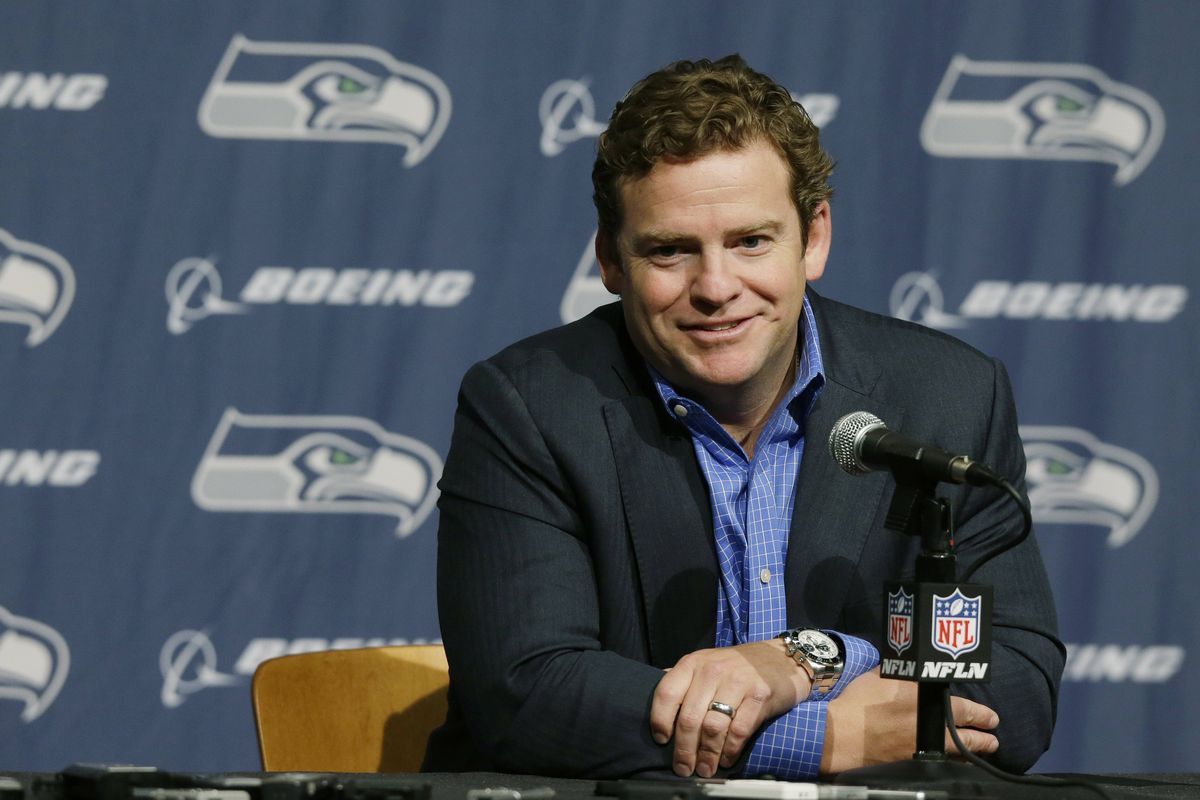
RENTON, Wash. – The story is so Seahawks.
Ask them for a draft anecdote that illuminates the rare synergy between their scouting and coaching staffs, and they’ll explain how they came to select fifth-round pick Jimmy Staten on Saturday.
At No. 172 overall in the NFL draft, some general managers are about ready to pick distant cousins, or names that sound kind of funny. Or they’re pacifying coaches by making selections to smooth over earlier conflicts. The Seahawks? They treated it like the most important pick they’ll ever make.
The challenge was to find a role-filling defensive lineman at a place in the draft where few gems are discovered. Instead of it coming down to an executive decision, the Seahawks discussed it thoroughly, with everyone in the room listening and respecting the various opinions. It wasn’t contentious. It was typical Seahawks business, with a high level of engagement and concrete ideas shared not only on which player to choose, but how the player fits in their system.
Ultimately, general manager John Schneider and the Seahawks decided on a rather unknown commodity, which is also typical. Staten is a 6-foot-4, 301-pound defensive tackle from Middle Tennessee State, and the Seahawks welcome him with some nuanced beliefs about the proper way to use him as a three-technique tackle.
“We took a look and had to talk through that a number of different angles, to come to the agreement that this was the right guy at the right time,” coach Pete Carroll said. “And John, he sensed how much time we would have to get him, and it fit just right.”
It’s just one glimpse into why the Seahawks have been able to amass so much talent over the years.
Does it guarantee Staten will be another one of Schneider’s late-round draft gems? Of course not. Odds are that Staten will have a difficult time making an impact. But over the course of hundreds of player-acquisition decisions, the Seahawks have a high success rate because the entire football operations staff commits to work through every choice, no matter how seemingly small, with an admirable level of enthusiasm and interaction.
The 2014 draft is over, finally. Once again, you walk away from a Seahawks draft uncertain of exactly what they did.
They surprised plenty of analysts with their top two selections, Colorado wide receiver Paul Richardson and Missouri right tackle Justin Britt, both second-rounders.
And Saturday, in rounds 4-7, where Schneider separates himself from the competition, the Seahawks took some interesting swings with their final seven selections.
What to think? The Seahawks are the enemy of instant analysis. Get too caught up in prejudging them based on draftnik logic, and you’ll wind up in need of forgiveness. It’s best to disregard their unpredictability, consider their process and explore their thinking.
If you do that, then you come to this conclusion: For all the fuss about the Seahawks’ unconventional style, they’re actually quite consistent. And as the years of the Carroll/Schneider era pass, their process is only getting more refined.
Schneider was asked if the Seahawks have changed their approach now that the franchise has risen from a 5-11 team five years ago to Super Bowl champions.
“The process has not changed at all,” Schneider said. “I think the only thing that has changed along the way is learning from our mistakes, and it’s really a tribute to the team, and the program that Coach Carroll has put together.”
It’s a critical draft class for the maintenance of a championship roster. The Seahawks probably need five or six of these nine selections to become good, or at least useful, players. If so, they will be geniuses again.