
Scottish teens proud, passionate about vote
16-, 17-year-olds cast their ballots on independence
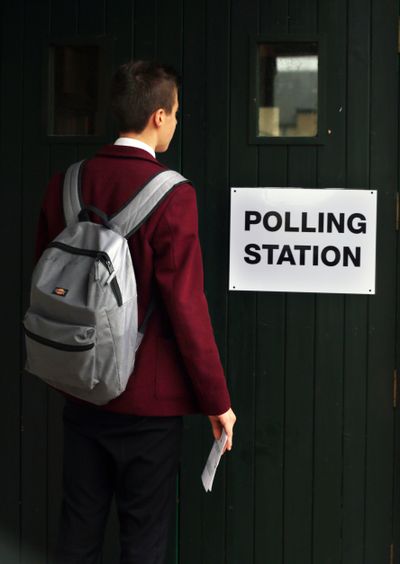
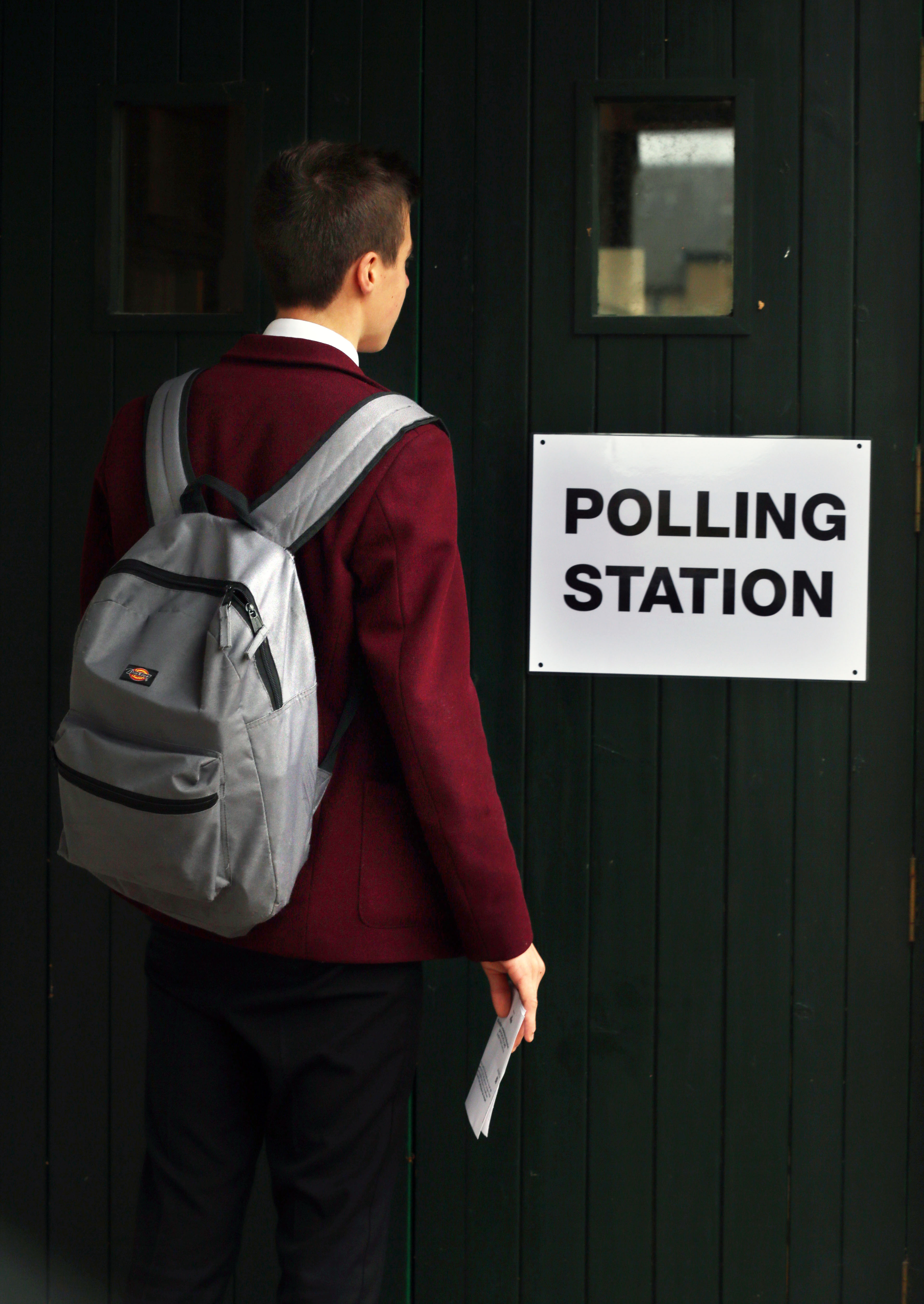
EDINBURGH, Scotland – They arrived before polling stations even opened, dressed for the school day in striped ties and blazers, dress slacks and tartan skirts, book bags over their shoulders – and for the first time in British history, ballot cards in hand.
Scotland’s experiment of allowing more than 100,000 teens age 16 to 17 to take part in last week’s independence referendum has demonstrated how the youngest voters can be some of the most enthusiastic in a mature democracy. More than 90 percent of the previously disenfranchised teens registered to vote – and, to the surprise of many analysts, proved not so ready to rebel against their parents as might be expected.
Many say the Scottish success showed that the voting age ought to be lowered to 16 across Britain and Europe. It happened, in part, because the Scottish National Party expected the youngest voters to back independence heavily. Surveys and anecdotal evidence, however, suggested that wasn’t decisively the case.
“We talked a lot about it at school the next day, how we voted versus our parents or our older brothers and sisters,” said Sinead McLoughlin, 17, standing with her family outside the Edinburgh Zoo. “A lot of my friends say they voted just like the rest of their family. There seemed to be more disagreement between the older ones, really. I think more younger people did vote yes. But we weren’t quite the revolutionaries the SNP thought we’d be!”
McLoughlin voted yes and was crestfallen at the result.
On social media, news that independence was rejected by a clear 55 percent triggered much grief and some nastiness in teen chat. Some denounced Edinburgh, which recorded the strongest anti-independence vote, as anti-Scottish. Many teens said, because pro-independence activists were so much more vocal and visible, the result felt like a shock.
“I kind of felt like I was the only boy in Scotland voting no,” said Iain McLeod, 17. “Then the next day at school, there was this big ‘coming out.’ Suddenly it seemed like everybody was standing up to say they’d voted no, too.
“But you could tell the real believers for independence just by eyeballing them,” he added. “You didn’t have to ask. They looked shattered.”
Former British Prime Minister Gordon Brown, a Scot whose impassioned defense of the anti-independence side dominated the final days, said Saturday that he found the sight of students lining up to vote at dawn among the most inspiring moments of the campaign.
On the day of the vote, Brown said, his eldest son John asked him a question.
“Why is it the case that some of the pupils in this school can have the vote and I’m 10 years old and I’m denied it?” Brown told supporters to a gale of laughter.
Brown said the passion of Scottish youth for voting mirrored that of democracy’s founding fathers “when they demanded that decisions … be made not by royal instructions, and not by elites ruling over us, but by people exercising their power through the ballot box.”
He declined to say whether he’d like to lower the voting age across the United Kingdom for the British parliamentary election next year and for the Scottish Parliament vote in 2016.
Thursday’s voting rules showed that, wherever the line is drawn, those too young to vote feel left out.
“Every morning I’d walk to school with one of my friends, and literally all we would talk about was the referendum,” said Holly Foxwell, 15, who is in a high school class with mostly 16-year-olds. She’d have voted No if given the opportunity, like her mom and dad.
She said teens should be allowed to vote “because it’s our generation really that’s going to be affected, more than older people.”
Data on how Scotland voted Thursday are incomplete because of the lack of rigorous exit polling, but partial surveys by pollsters in the hours before and after the vote concluded that the biggest backers of independence were people aged 25 to 34, not the youngest group of 16- to 24-year-olds.