
Hanford reactor becomes a National Historical Park
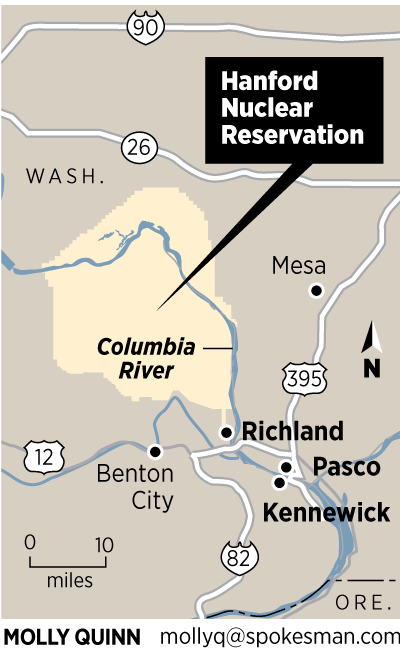
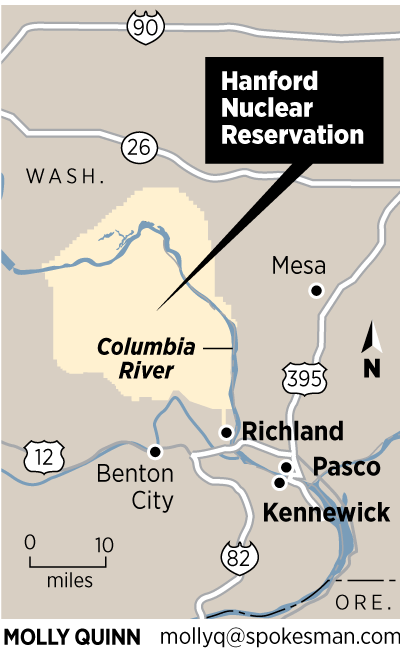
WASHINGTON – A Hanford reactor site that secretly helped develop an atomic bomb during World War II became part of a national park system Tuesday.
The Manhattan Project National Historical Park will include the Hanford B Reactor in Eastern Washington along with facilities in Los Alamos, New Mexico, and Oak Ridge, Tennessee. Together, the three sites produced some of the world’s first atomic bombs.
The B Reactor, the first full-scale nuclear reactor, is best known for producing plutonium that was used in the bomb dropped on Nagasaki in 1945. It shut down in 1968.
During a ceremony at the Interior Department’s headquarters, Interior Secretary Sally Jewell and Energy Secretary Ernest Moniz signed an agreement to create and manage the park, which will be a partnership between the two agencies.
The National Park Service will welcome visitors, provide interpretation and tell “the complete and complex story of one of the most consequential projects in our nation’s history,” Director Jonathan Jarvis said.
Lawmakers and advocates pushed for more than a decade for the B Reactor to be preserved and elevated to national park status. Since 2008, it was a national historic landmark. But now there is no threat of tearing it down, and it will become more accessible to the public, Sen. Maria Cantwell said.
More than 10,000 people visited the reactor in 2014, but the park designation will bring many more, officials said.
“It only took 11 months to get the B Reactor constructed, but it’s taken us 11 years to get to today to signing the joint agreement,” Cantwell said during the ceremony. “Not only will the National Historical Park tell the story about the B Reactor, but it will also shed light on what life was like in the Tri-Cities during that time.”
The dedication of the park at the Hanford site is scheduled for Thursday.