
The Avett Brothers explore faith and religion in ‘The Third Gleam’
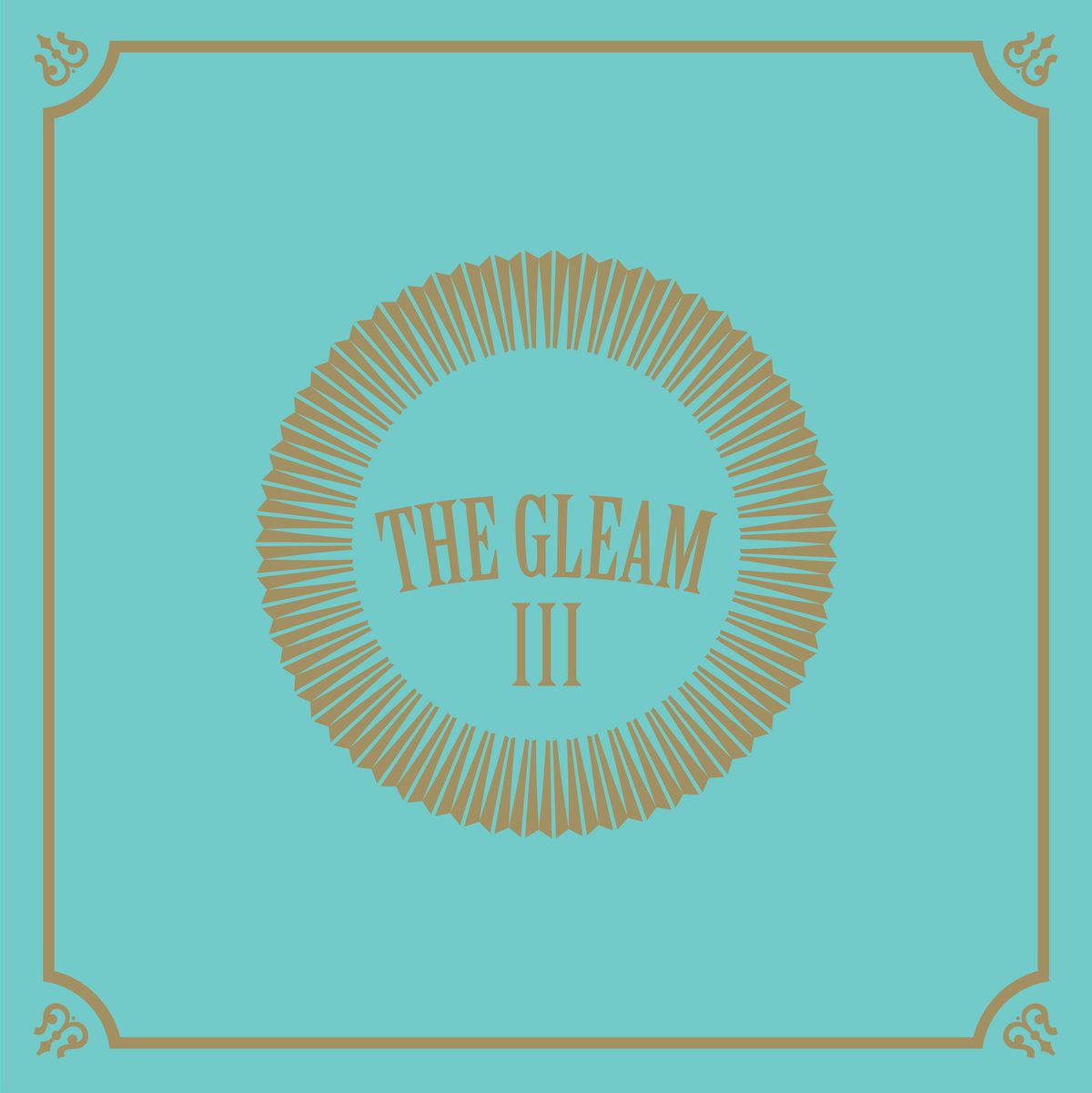
The Avett Brothers have a diverse and complicated sound. Their music ranges from alt-rock to folk, and most of their full-length albums are eclectic. That is part of what makes them such a great band: It is difficult to argue that all their songs sound the same.
“The Gleam” series – a continuing collection of EPs – has always separated itself from the Avett Brothers’ discography in this regard: Each installment of “The Gleam” covers a coherent and pared-down folk corner of the Avett Brothers’ sound.
“The Gleam” was released in 2006. Just two years later, “The Second Gleam” followed up. It would be another 12 years before this last installment, “The Third Gleam.”
The characteristic sound of these EPs is a reduced guitar, banjo, bass and vocal composition. For “The Third Gleam,” the band adheres to this palette, calling only on longtime collaborator Bob Crawford to accompany the two Avett brothers, Seth and Scott, as they strum and sing through a short 30 minutes of music.
The album was written just before the pandemic and protests, so while the lyrics might sometimes feel oriented toward those topics, the brothers made it clear in a video announcement that this is only because such issues underlay the before times, as well.
Seth Avett reads, “Sickness, in body and in mind, are old news for our species and in truth have found us susceptible throughout our history.” The album “is merely the sound of my brother and I in a room singing about what was on our minds and in our hearts at the time.”
On their minds and in their hearts were death, faith, human suffering, values and more. The opening track, “Victory,” is one of the album’s best. It is their harmonies and two-deep guitar at their most humble. That humility, though, does not reduce the glimmering beauty and tranquility of this song.
At times, it feels like a concession, with the refrain “from victory, I accept defeat” heralding forward the song’s mood. This sensation of undisturbed concession is audible throughout the album. It represents one half of a tension between blissful ignorance and excessive pain, which is very topical.
This comes across especially in “I Should’ve Spent the Day With My Family,” in which the singer is confronted with horrid occurrences in the world around him that disrupt his work and family life. It is a painfully contemporary struggle tracked over an elegant background.
Contrasting the rest of the album, “Prison to Heaven,” features vocals wandering far from the bobbing – almost fun – guitar and bass. It can be difficult to immerse oneself. It is, however, representative of one of the most notable features of this album: the Avett Brothers’ increasingly overt discussion of faith.
In the past, it has been possible to uncover the noncentral role that faith plays in their music. On “The Third Gleam,” religion and faith are at the forefront of the writers’ minds. “Back Into the Light” is perhaps the most upfront example of this.
The second single released off the EP, “I Go to My Heart” takes an almost canonically folksy approach to the “take me back” track. It represents the album’s greatest strengths: layered guitar and vocal compositions. The progressions are somewhat predictable for many of the album’s songs, but that doesn’t cause issues because many of the tracks are steadily and finely executed.
“The Fire” – the album’s ultimate track – asks of several characters “what do you see in the fire?” For the young, it is potential, the old, memory and change and the doomed, what could have been.
It rocks along with a slowly building momentum. It dutifully captures the ballad, nuancing the constructed notion of this “fire.” While the composition hardly develops throughout the song, the lyrics construct a sort of tapestry of human experience.
“The Third Gleam” is certainly worth a listen. Like “The Gleam,” it has a few songs that will certainly stick in the mind and a few that won’t. It is not quite as well-constructed as “The Second Gleam,” as at times the music can seem repetitive and the lyrics curious.
Mostly, this album is full of thought-provoking, personal ballads from its writers, two men who have proven time and time again their ability to communicate through sound and imagery.
“The Third Gleam” is soft-voiced, somewhat withdrawn and, in being withdrawn, pulls in the listener. When the final track ends, it feels like pulling one’s face away from that warm flame and stepping out into the cold.