
Bringing up baby: Experts offer a childproofing checklist for your home
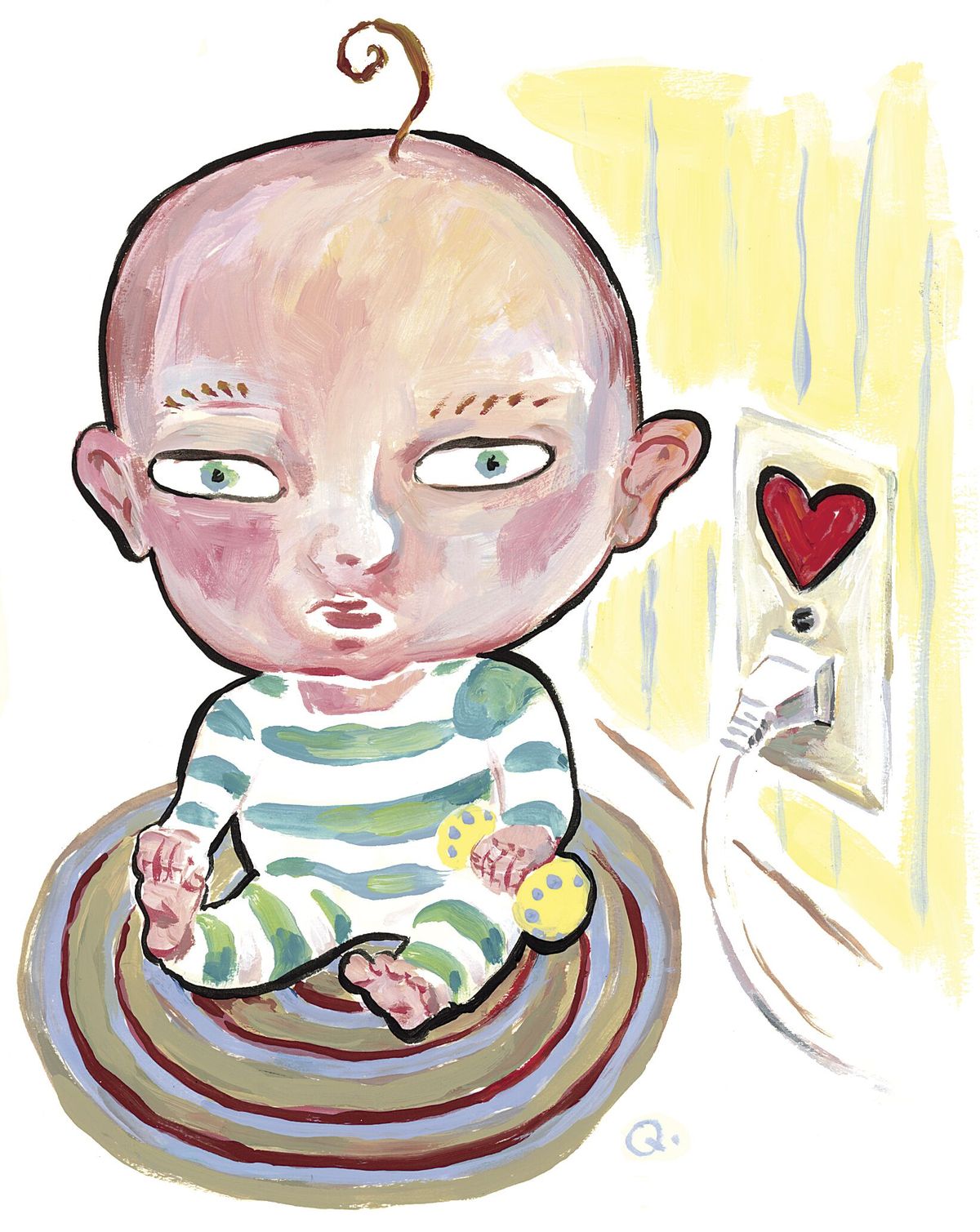
If you’re preparing for baby’s life at home, a checklist requires more than creating a nursery or buying a crib, infant car seat and boxes of diapers.
This is a good time also to plan some childproofing measures because in less than a year, that baby will be fast-tracked mobile. Thanks to today’s consumer tips and tools for your infant’s safety, home prepping can go far.
Clair Bennett, who teaches Providence Sacred Heart childbirth classes along with infant-child CPR, encourages parents to take their perspectives to another level.
“I have my parents lie on their tummy in every room and see what a toddler sees – dangling wires, etc.,” Bennett said.
In her baby and infant first-aid classes, she goes over basics such as locking up medications and placing knives far out of reach.
“When they talk about locking up meds, what about mouthwash?” Bennett said. “Many don’t think about that – it has alcohol in it.”
A few of Bennett’s other tips include buying those $1 cushioned swimming noodles and cutting open one side, then sliding them over the side of a sharp-edged table. Similarly, tennis balls can be fashioned to be cushions for sharp corners.
Regarding potential poisons, parents also need to lock away or place up high items such as bleach, pest killers and car and cleansing products. Bennett reminds parents that cosmetics or certain beauty products send one child to the ER every two hours.
Child unintentional injury death rates decreased 11% from 2010 to 2019, but injury is still the leading cause of death for children and teens in the U.S., according to the Centers for Disease Control and Prevention. The leading causes of child unintentional injury include motor vehicle crashes, suffocation, drowning, poisoning, fires and falls, but child injury is often preventable, the CDC says.
Today, you can buy several child-safety products that are relatively inexpensive, said the U.S. Consumer Product Safety Commission. The agency offers both childproofing tips and a downloadable brochure.
Some obvious prevention tools include door knob covers, locks and gates to help prevent young ones from entering rooms and areas with possible dangers.
People also can buy outlet covers, safety latches and locks for cabinets and drawers. Anti-scald devices for faucets and shower heads set your water temperature to 120 degrees to help prevent burns.
Other home safety ideas include:
• Consider if you need to install another smoke alarm between new sleeping areas and the rest of the house
• Purchase baby gates for steps, stairs and differing floor levels to prevent falls; think about a gate or fence for any outdoor hot spa or swimming pool
• Check on any top-heavy or unstable furniture such as bookcases and large TVs; they should be secured to the wall
• Install a carbon monoxide alarm to help prevent CO poisoning; place the alarm near sleeping areas, and change the batteries at least once a year
Based on the 2022 Annual Childproofing Report by safehome.org, 40% of parents believe a child’s injury could have been avoided had they taken proper childproofing precautions in and around the home. The site searches for safety products by providing people with comprehensive comparisons and easy-to-read research on the latest technologies and tools.
SafeHome shared another checklist written by Patrick Quinn from “Life of Dad,” with pointers for how to childproof each section of your home.
Living room
• Keep your window-blind cords either cut short or tucked away
• Install door stops and door holders; they work wonders to keep little fingers from being pinched
• Cover unused outlets so that children are not tempted to stick their tiny fingers in and get shocked
• Use safety gates if your home has stairs
Kitchen
• Lock your stove knobs; you never know when your kid will decide to ignite your stove burners
• Secure low drawers in your kitchen, especially if they contain dangerous items like scissors or knives
• Make sure electric appliances are unplugged when they are not in use
Bathroom
• Install safety locks and latches on your toilet so that your child doesn’t get into them
• Place a rubber slipcover next to the bathtub to avoid your child slipping and falling when the area is wet
• Check that the cabinet containing chemicals in the bathroom is locked
Dining Room
• Store glass and sharp objects out of reach
• Check if your child’s highchair features a safety strap between the legs