
Gardening: Even a small plot can bear fruit
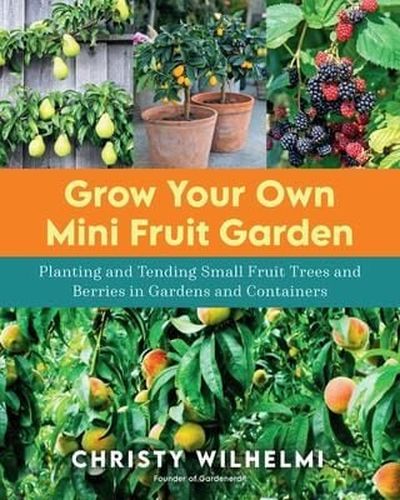
You can have a fruit garden in almost any small yard, it just takes planning. As backyards have become smaller in the past few years, plant breeders have been working hard to scale down fruit bearing plants to fit the space.
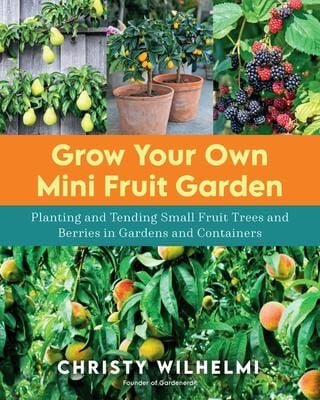
A helpful book that will help you plan out your fruit garden came out last year. “Grow Your Own Mini Fruit Garden” by Christy Wilhelm (Cool Springs Press) fills a much-needed gap in gardening information about choosing the right fruits, planting options for small spaces, growing information including disease and bug management and pruning and training your plants.
Wilhelm has written several books on small-scale organic gardening, is the founder of the organic gardening website Gardenerd (gardenerd.com/) and is active in organic gardening in California. Her 300 square-foot garden provides 70 to 80% of her family’s fruit and vegetable needs.
Here are some of Wilhelm’s suggestions for a small-scale fruit garden.
Cane berries like blackberries and raspberries are best planted in a single row either against a sunny fence or as a hedge-like structure between beds. There are now small-scale raspberries like Raspberry Shortcake that can be grown in large pots on a deck or patio. Choose thornless varieties of blackberry.
Blueberries are many people’s favorite fruit and they do well in a container or raised bed in a small garden. You will need two varieties for cross pollination. Because blueberries prefer an acidic soil, growing them in containers or raised beds allows you to amend the soil with compost and granular sulfur to get the right pH level. Always fertilize the plants with rhododendron fertilizer to maintain the proper acid levels.
Gooseberries and currants are old-fashioned fruits that also make nice ornamental shrubs in a garden bed.
Gooseberries grow about 3 to 4 feet square with a 1-inch sweet-tart green berry.
Currants are about the same size as the gooseberries and have small red, white or blue berries that hang in clusters on the bush. They are best harvested with a tined basket like a huckleberry rake. Both make delicious jellies and jams and fruit sauce for ice cream.
Rhubarb plants are the closest thing we can get to plants with big leaves in our climate.
Planted in an ornamental bed, they add a bold texture to the garden that is further enhanced by their red stalks. One or two roots is all you need, and the plants will live for decades.
Lastly, fruit trees have a place in a small garden. Most nurseries will carry dwarf or columnar trees that stay within bounds. Dwarf fruit trees grow to around 10 feet while columnar trees grow tall and don’t spread so they will fit in a narrow space. Fruit trees can also be trained to grow along fences or wires.
Tip of the week: If the soil is thawed in your garden, wait a little longer to dig into it. It’s too wet right now and will easily compact with the digging.