
Gardening: Warmer weather has plants growing - including weeds
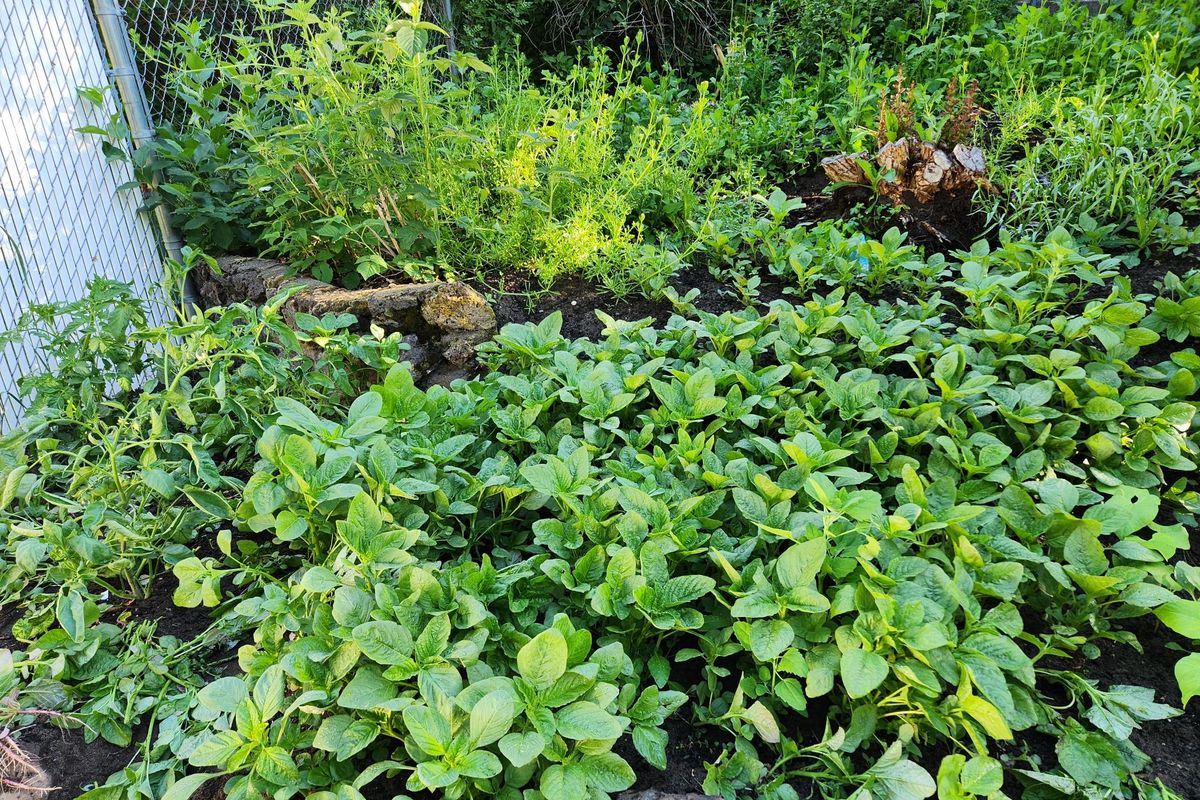
It looks like our spring planting season is off to a great start. The cool weather has been replaced with warmer than average temperatures that have our plants popping out of the ground with a vengeance. Unfortunately, the warm weather also has weeds popping up even faster. So how do you get ahead of them?
Weeds love bare ground. Any time they can have full access to bright sunlight and a little water they will sprout quickly, oftentimes faster than the seeds you planted. So, at its simplest, weed control means blocking the sunlight they crave. The best way to do this is cover any bare spots you create with mulches like shredded leaves and pine needles, clean grass clippings, newspaper or cardboard covered with compost and commercial (but expensive) bark. An extension of this idea is to just leave garden debris from the previous year on the garden beds. This has the added benefit of preventing moisture loss and providing habitat for bugs and small creatures that overwinter in the garden.
But weeds do get away from us in the flurry of other spring activities, so we are often stuck with pulling the little buggers. The trick then is to distinguish the weed seedlings from the seedlings of the plants we want. Smartphone plant identification apps have revolutionized identifying potential weeds, but they are not infallible. There are dozens of apps out there and all of them rely on a large database of plants from many different regions. There may be close lookalikes that can throw you off. If you are unsure and need a definitive answer, it’s best to contact the WSU Spokane County Master Gardeners at their Plant Clinic for an accurate identification along with information on the best ways to control them. The apps don’t have this information.
While a good hoe or rake will uproot most small weeds, when the weeds get big or there are lots of them, it may be necessary to resort to herbicides to regain control. Organic herbicides will burn down the tops of the plants with chemicals such as d-limonene, clove oil, cinnamon oil, 20% vinegar solution (acetic acid), or citric acid. They won’t kill the roots so the plants will come up again. They are also non-selective and will kill other plants. If you need to kill the roots to get control, then it might be necessary to use a conventional herbicide like 2,4-D or glyphosate. There are also pre-emergent products that can be applied to the soil to control weeds over a season. It is important to remember that any garden chemical, organic and conventional, is a chemical and it can cause unintended damage to both plants and humans. Read the label directions and follow them to the letter.
If you find yourself dealing with weeds like skeletonweed, knapweed, bugloss, blueweed, thistles or toadflax that are on the Spokane County Noxious Weed Board’s list, it may be necessary to apply conventional herbicides as noxious weeds play by no one’s rules.